Ashwagandha Gummies Review: A Comprehensive Guide to Stress Relief & Focus
In today’s fast-paced world, the search for natural solutions to manage stress, boost energy, and improve focus has led many to explore adaptogenic herbs. Among these, ashwagandha stands out as a time-tested favorite, and its newest delivery format—gummies—has surged in popularity. This comprehensive ashwagandha gummies review aims to cut through the marketing noise, providing an in-depth look at what these supplements are, how they work, what to look for, and whether they might be a helpful addition to your wellness routine. For those seeking a convenient, palatable way to harness the benefits of this ancient adaptogen, understanding the nuances of gummy formulations is key.
What Are Ashwagandha Gummies?
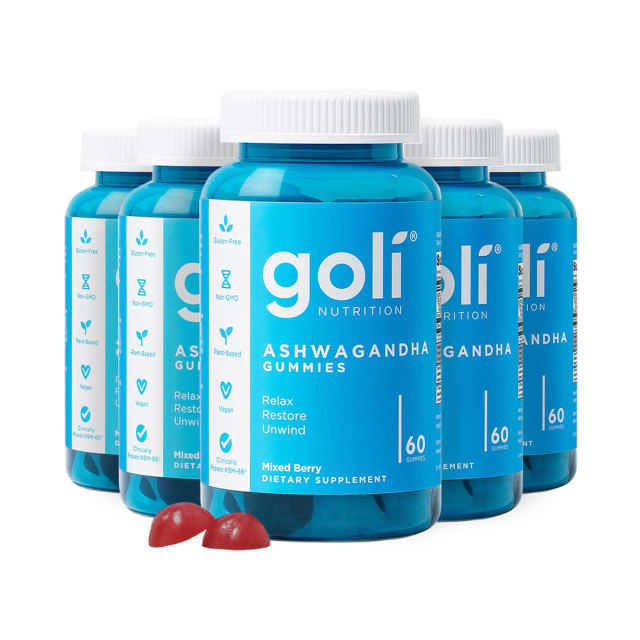
Ashwagandha gummies are dietary supplements that deliver a concentrated extract of the Withania somnifera plant root in a chewable, often flavorful, gummy form. They are designed to offer the same traditional benefits associated with ashwagandha—such as stress relief and mood support—in a more convenient and enjoyable format than capsules or powders.
The core ingredient, ashwagandha, is classified as an adaptogen. This is a unique category of herbs believed to help the body resist physical, chemical, and biological stressors, promoting a state of balance or homeostasis. For centuries, it has been a cornerstone of Ayurvedic medicine, prized for its ability to bolster vitality and resilience.
The transition to a gummy format addresses common barriers to supplement use: difficulty swallowing pills, the unpleasant taste of powders, and the inconvenience of measuring doses. However, this format also introduces new considerations, such as added sugars, gelatin or pectin bases, and the stability of the active ingredient within the gummy matrix.
Key Benefits: What Can Ashwagandha Gummies Do?
The purported benefits of ashwagandha are wide-ranging, primarily stemming from its adaptogenic properties. Scientific research, particularly on standardized extracts like KSM-66, has begun to validate many of these traditional uses. Here are the key benefits users often seek from ashwagandha gummies:
Stress Relief and Cortisol Management
This is the most celebrated and well-researched benefit. Chronic stress elevates cortisol, the body’s primary stress hormone, which can disrupt sleep, metabolism, and immune function. Ashwagandha has been shown in multiple studies to significantly reduce perceived stress levels and lower serum cortisol. For individuals facing daily pressures, ashwagandha gummies may promote a calmer, more balanced response to stressors.
Mood and Emotional Support
Closely linked to stress relief is mood support. By modulating the body’s stress response, ashwagandha can indirectly support a more positive outlook. Some research also suggests it may influence neurotransmitters associated with well-being, helping to alleviate symptoms of mild anxiety and promote emotional equilibrium.
Enhanced Energy and Reduced Fatigue
Unlike stimulants that provide a jolt of energy followed by a crash, ashwagandha is believed to combat fatigue by supporting adrenal health and improving the body’s resilience to stress. Users often report a more sustained, natural feeling of energy and vitality, rather than a wired sensation.
Improved Focus and Cognitive Function
Stress and brain fog often go hand-in-hand. By mitigating the impact of stress, ashwagandha may help clear mental clutter. Some studies indicate it can support memory, reaction time, and overall cognitive performance, making it a popular choice for students and professionals alike.
Support for Sleep Quality
While not a sedative, ashwagandha’s stress-reducing properties can be profoundly beneficial for sleep. By calming an overactive mind and regulating cortisol rhythms (which should be low at night), it may help individuals fall asleep more easily and experience more restful sleep.
Critical Evaluation Criteria: How to Choose the Best Ashwagandha Gummies
Not all ashwagandha gummies are created equal. When reviewing or selecting a product, several factors determine its quality, potency, and effectiveness.
1. Standardized Extract and Potency
The most important factor is the type and amount of ashwagandha extract.
- Look for Standardized Extracts: High-quality gummies use extracts standardized to a specific percentage of withanolides, the active compounds believed to be responsible for ashwagandha’s benefits. KSM-66 and Sensoril are two of the most clinically studied, patented extracts.
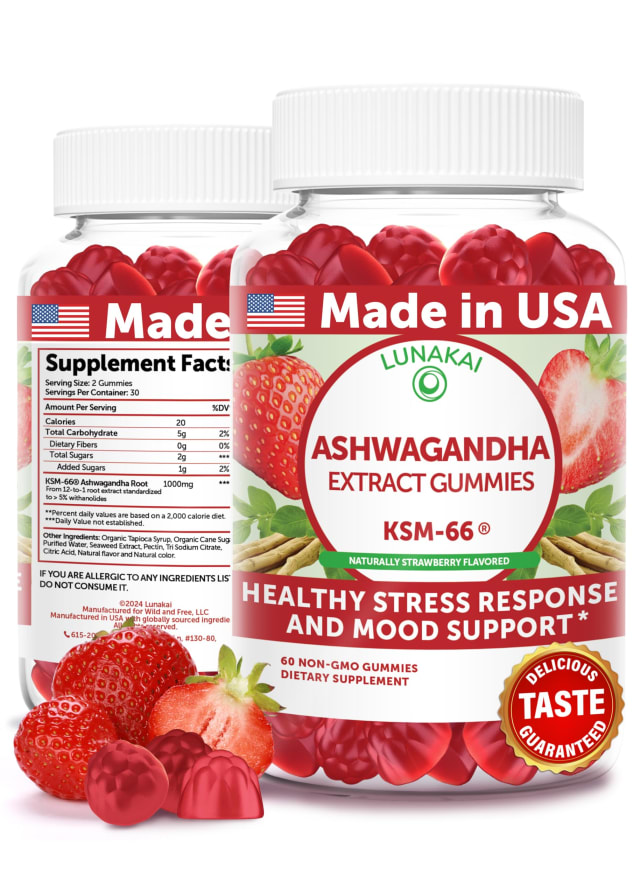
- KSM-66: Known as a full-spectrum root extract, often standardized to 5% withanolides. Research on KSM-66 highlights its benefits for stress, energy, and athletic performance.
- Sensoril: A blend of root and leaf extract, typically standardized to 10% withanolides. It is often researched for stress reduction and cognitive support.
- Check the Dose: The effective clinical dose for ashwagandha root extract typically ranges from 300mg to 600mg daily. The label should clearly state the amount of extract per gummy and the recommended serving size (e.g., 1-2 gummies).
2. Ingredient Transparency and Purity
- Full Ingredient List: Reputable brands disclose all ingredients, including the gummy base (like pectin for vegan options), sweeteners (cane sugar, tapioca syrup, or sugar alcohols), flavors, and colors.
- Third-Party Testing: Look for products that are third-party tested for purity, potency, and contaminants like heavy metals, pesticides, and microbes. Certifications from organizations like NSF, USP, or ConsumerLab.com add a layer of trust.
- Allergen Information: Check for common allergens like gelatin, soy, or gluten if you have sensitivities.
3. Sugar Content and Sweeteners
Gummies require sweeteners for palatability. It’s essential to check the sugar content per serving.
- Aim for Lower Sugar: Some gummies can contain 2-5 grams of added sugar per piece. Opt for brands that use minimal added sugars or alternative sweeteners like organic tapioca syrup or stevia.
- Consider Dietary Needs: Vegan gummies use pectin instead of gelatin and should be clearly labeled.
4. Brand Reputation and Reviews
Investigate the brand’s history, manufacturing practices (look for GMP-certified facilities), and customer feedback. Genuine user reviews can provide insight into real-world experiences with taste, effectiveness, and any side effects.
Comparison of Ashwagandha Gummy Types
The table below outlines the primary considerations when comparing common formulations of ashwagandha gummies.
| Feature | Standardized Extract (e.g., KSM-66) | Non-Standardized/Generic Root Powder | Gummies with Added Adaptogens |
|---|---|---|---|
| Potency & Consistency | High. Guaranteed percentage of active withanolides. Effects are more predictable and backed by clinical research. | Variable. Potency can vary significantly between batches, making dosing inconsistent. | Depends. Check the dose of each ingredient. Can be synergistic but may lower the dose of ashwagandha itself. |
| Cost Effectiveness | Typically higher cost per bottle, but you pay for proven potency and reliability. | Often lower cost, but you may need to take more for effect, and results are less certain. | Varies widely. Can be good value if multiple high-quality adaptogens are included at effective doses. |
| Best For | Individuals seeking research-backed, reliable results for stress, energy, or focus. First-time users wanting a predictable experience. | Those on a strict budget who are less concerned about precise, clinical-level potency. | Users looking for a broader adaptogenic effect (e.g., stress + immune support from added reishi or rhodiola). |
| Key Consideration | Ensure the daily serving delivers a clinical dose (e.g., 300-600mg of KSM-66). | Risk of under-dosing or inconsistent effects. May require more diligent brand research. | Avoid "proprietary blends" that hide individual ingredient amounts. Ensure ashwagandha is still a primary component. |
How to Take Ashwagandha Gummies: Dosing, Timing, and Tips
To get the most out of ashwagandha gummies, proper use is essential.
- Dosing: Always follow the manufacturer’s recommended dosage on the label, which is typically 1-2 gummies per day. This should align with providing 300-600mg of a standardized ashwagandha extract. Do not exceed the recommended dose.
- Timing: Timing can be tailored to your goals.
- For general stress relief and daytime calm, taking a gummy in the morning with breakfast is common.
- For sleep support, taking a gummy 30-60 minutes before bed may be beneficial, as it can help quiet the mind.
- Consistency is more important than the specific time of day. Taking them daily at roughly the same time helps maintain stable levels in your system.
- Duration: Adaptogens often work best with sustained use. A trial period of at least 4-8 weeks is recommended to assess the full effects. It’s often advised to take periodic breaks, such as cycling off for one week after every 6-8 weeks of continuous use, though you should consult a healthcare provider for personalized advice.
- Synergy: Ashwagandha gummies pair well with a healthy lifestyle. They are not a substitute for balanced nutrition, regular exercise, and good sleep hygiene but can be a valuable supportive tool.
Important Considerations and Potential Side Effects
Ashwagandha is generally well-tolerated by most adults when taken at recommended doses, but it is not without considerations.
- Common Side Effects: At very high doses, some individuals may experience mild digestive upset, drowsiness, or headaches. Starting with the lower end of the dose range can help assess tolerance.
- Contraindications and Interactions:
- Pregnancy and Breastfeeding: Ashwagandha is typically not recommended during pregnancy or lactation.
- Autoimmune Diseases: Because ashwagandha may stimulate the immune system, individuals with conditions like rheumatoid arthritis, lupus, or Hashimoto’s thyroiditis should use caution and consult a doctor.
- Thyroid Medications: Ashwagandha may increase thyroid hormone levels. Those on thyroid medication (like levothyroxine) must consult a physician before use.
- Sedatives and Blood Pressure Medications: It may potentiate the effects of sedatives (benzodiazepines, barbiturates) and blood pressure-lowering drugs.
- Surgery: Discontinue use at least two weeks before any scheduled surgery due to potential effects on the central nervous system.
- The "Withania Somnifera" Note: The species name "somnifera" hints at its sleep-promoting reputation. While this is a benefit for many, some individuals may feel overly relaxed or drowsy when taking it during the day. Adjusting the timing to evening can mitigate this.
Frequently Asked Questions (FAQ)
Q1: How long does it take for ashwagandha gummies to work? A: Effects can be subtle and cumulative. Some people notice a calming effect within a few days, but for significant benefits related to stress and cortisol, most studies show measurable results after 4 to 8 weeks of consistent use. Patience and consistency are key.
Q2: Can I take ashwagandha gummies every day? A: Yes, daily use is standard for achieving adaptogenic benefits. However, some practitioners recommend a cyclical approach—such as taking them for 6-8 weeks followed by a 1-2 week break—to prevent the body from becoming habituated. It’s best to follow the product’s instructions or consult a healthcare provider.
Q3: Are ashwagandha gummies safe for everyone? A: No. While safe for many adults, they are not recommended for children, pregnant or breastfeeding women, or individuals with the specific health conditions and medication interactions mentioned earlier (e.g., autoimmune disorders, thyroid conditions, upcoming surgery). A doctor’s advice is crucial.
Q4: What’s the difference between ashwagandha capsules and gummies? A: The primary active ingredient can be the same. The differences are in the delivery format. Capsules often contain more ashwagandha per serving with no added sugars. Gummies offer taste, convenience, and easier consumption but may contain fillers and sweeteners and typically offer a lower maximum dose per piece.
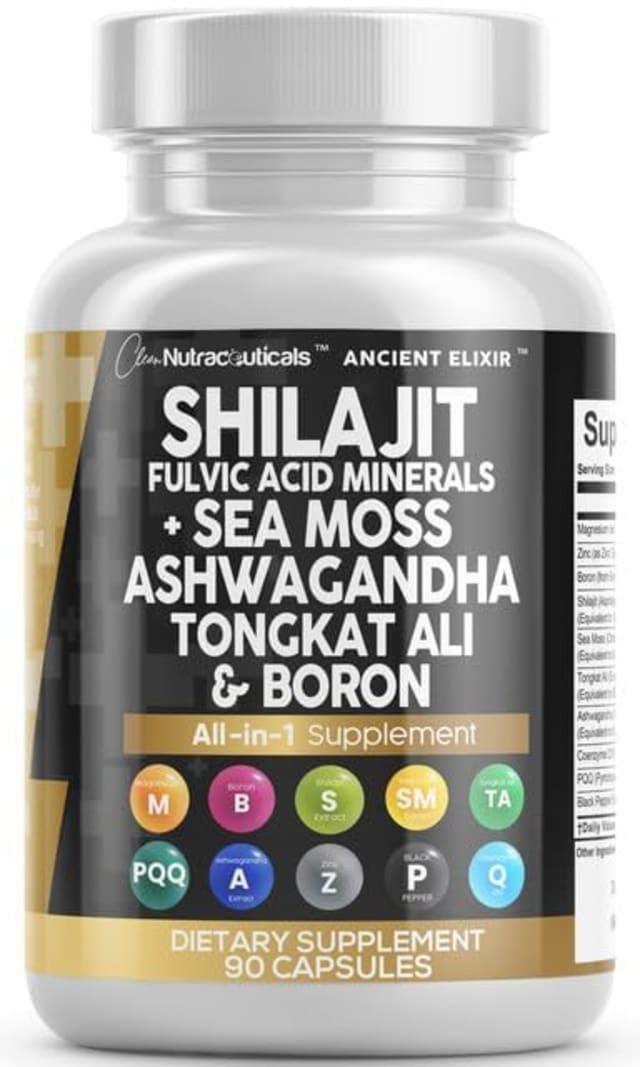
Q5: Will ashwagandha gummies make me sleepy? A: Not necessarily. While it can support sleep by reducing stress, many users take it in the morning for daytime calm and focus without drowsiness. Individual responses vary. If you feel sleepy, try taking your gummy in the evening.
Q6: How do I store my ashwagandha gummies? A: Store them in a cool, dry place away from direct sunlight and moisture, with the lid tightly sealed. The bathroom medicine cabinet is often too humid. Proper storage prevents the gummies from melting or degrading.
Final Verdict: Are Ashwagandha Gummies Worth It?
Ashwagandha gummies present a compelling, user-friendly entry point into the world of adaptogens. For individuals seeking a natural, research-supported tool to help manage daily stress, support a balanced mood, and improve resilience, a high-quality gummy made with a standardized extract like KSM-66 can be an effective and enjoyable option.
The decision ultimately comes down to personal priorities. If convenience, taste, and consistency in your supplement routine are top concerns, and you select a product that prioritizes a clinically effective dose, transparent labeling, and third-party testing, then ashwagandha gummies are certainly worth considering. They are best viewed as one component of a holistic approach to wellness, complementing a healthy diet, regular physical activity, and other stress-management techniques.
As with any supplement, informed selection is paramount. By using the evaluation criteria outlined in this review—focusing on extract type, potency, purity, and brand integrity—you can confidently navigate the market and choose a product that aligns with your health goals and standards.
Affiliate Disclosure
Gummy.mom may earn a commission from purchases made through links on this page. This helps support our research and content creation. We only recommend products we genuinely believe in and have thoroughly researched.