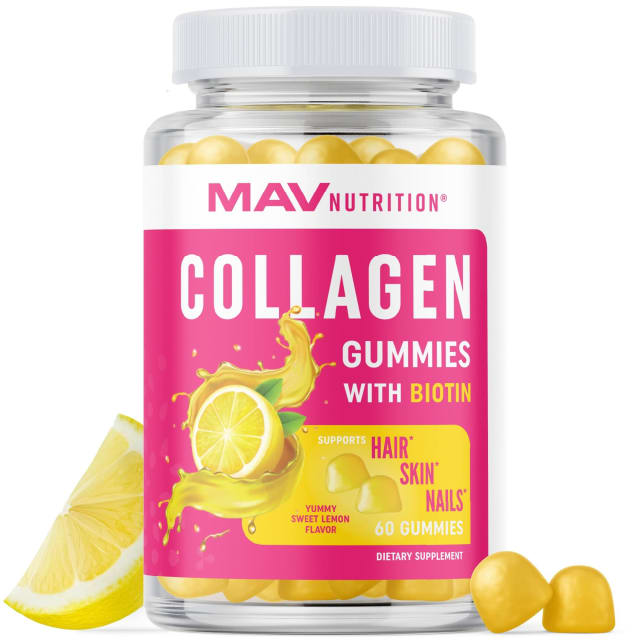
Collagen Gummies Side Effects: A Comprehensive Guide to Benefits and Considerations
Collagen gummies have surged in popularity as a tasty and convenient way to support skin, hair, nails, and joints. Marketed for their beauty and anti-aging benefits, these chewy supplements promise to deliver the building blocks of youthfulness in a simple daily dose. However, as with any dietary supplement, it’s crucial to look beyond the marketing and understand the full picture. This comprehensive guide delves deep into the world of collagen gummies, exploring their potential benefits, how they work, and providing a detailed, balanced look at possible side effects and considerations. The goal is to empower readers with the knowledge needed to make an informed decision about incorporating collagen peptides into their wellness routine.
What Are Collagen Gummies and How Do They Work?
Collagen is the most abundant protein in the human body, acting as a primary structural component for skin, bones, tendons, ligaments, and cartilage. It’s often described as the "glue" that holds the body together. As natural collagen production declines with age—starting as early as our mid-20s—signs like wrinkles, weaker joints, and thinner hair can begin to appear.
Collagen gummies are a dietary supplement designed to provide hydrolyzed collagen peptides. "Hydrolyzed" means the large collagen protein has been broken down into smaller, more bioavailable peptides that the body can easily absorb. Once ingested, these peptides are believed to stimulate the body’s own fibroblasts to produce more collagen and other supportive proteins like elastin.
Unlike powders or capsules, gummies offer a pre-measured, portable, and often pleasantly flavored option, which can improve consistency—a key factor in seeing any potential results from a supplement regimen.
The Promised Benefits: Why People Take Collagen Gummies
The key benefits driving the popularity of collagen supplements are well-researched and focus on both beauty and functional wellness.
- Skin Elasticity and Hydration: Multiple studies suggest that collagen peptide supplementation can improve skin elasticity, moisture levels, and dermal collagen density. This may lead to a reduction in the depth of wrinkles and a more supple, hydrated appearance.
- Hair Health: While research is more limited, collagen provides amino acids like proline that are essential building blocks for keratin, the protein that makes up hair. Supporters report reduced hair breakage and improved thickness.
- Nail Strength: Clinical trials have shown that collagen supplementation can significantly improve nail growth and reduce brittleness and splitting.
- Joint Support: Collagen is a major component of cartilage. Supplementation may help reduce joint pain and symptoms of osteoarthritis by providing the raw materials needed for cartilage repair and by exerting an anti-inflammatory effect.
- Anti-Aging: The collective support for skin, hair, and nails contributes to an overall anti-aging effect. Additionally, collagen supports gut health and bone density, which are vital for long-term wellness.
Potential Side Effects and Important Considerations
For most healthy adults, collagen gummies are considered safe when consumed at recommended doses. However, being aware of potential side effects and interactions is a responsible part of any supplement routine.
Common, Generally Mild Side Effects
These are typically temporary and may subside as the body adjusts.
- Digestive Discomfort: The most frequently reported issues are mild gastrointestinal disturbances. This can include feelings of fullness, bloating, or heartburn. This is often due to the high protein content or other ingredients in the gummy formula.
- Unpleasant Taste or Aftertaste: While gummies are flavored, some users note a lingering gelatinous or slightly off taste. This is subjective and varies by brand and formulation.
- Allergic Reactions: Although rare, allergic reactions are possible. Since most collagen is sourced from bovine (cow), porcine (pig), marine (fish), or chicken, individuals with allergies to these animals could react. Those with a fish or shellfish allergy must be exceptionally cautious with marine-sourced collagen.
Significant Considerations and Rare Side Effects
- High Sugar and Calorie Content: This is a primary consideration for collagen gummies. To achieve a palatable taste, many brands add significant amounts of sugar, corn syrup, or artificial sweeteners. This can be a drawback for those monitoring blood sugar, calorie intake, or dental health.
- Interaction with Medications: There are no widely documented severe drug interactions. However, due to collagen’s role in the body, individuals on immunosuppressant drugs or those with severe kidney or liver disease should consult a healthcare provider before starting any new supplement.
- Heavy Metal Contamination (Especially Marine Collagen): Low-quality marine collagen sourced from polluted waters has the potential to contain trace levels of heavy metals. Choosing a reputable brand that conducts third-party purity testing is crucial.
- Calcium Metabolism (With Bovine Collagen): Some older studies suggested a theoretical risk that high doses of bovine collagen could alter calcium metabolism, but this is not a documented concern at standard supplement doses.
The "Gummy" Factor: Excipients and Additives
The side effect profile isn’t just about collagen. The "gummy" matrix itself contains other ingredients, which can be a source of issues:
- Sugar Alcohols (e.g., sorbitol, mannitol): Used as sweeteners, they can cause gas, bloating, and diarrhea in sensitive individuals, especially in larger quantities.
- Food Dyes and Artificial Flavors: Some people prefer to avoid these additives, and a small subset may be sensitive to them.
- Gelatin or Pectin: These are the gelling agents. Gelatin is itself a form of collagen (usually porcine), while pectin is plant-based. They are generally well-tolerated.
How to Choose a Quality Collagen Gummy: A Buyer's Guide
Being an informed consumer is the best way to maximize potential benefits and minimize risks. Here are key factors to evaluate:
1. Collagen Source and Type:
- Bovine (Type I & III): Best for skin, hair, nails, and general wellness.
- Marine (Type I): Known for smaller peptides, potentially offering better bioavailability. Ideal for skin and beauty focus.
- Porcine (Type I): Similar to human collagen, often used for joint health.
- Look for "hydrolyzed collagen peptides" on the label for optimal absorption.
2. Dosage: Clinical studies often use doses between 2.5 to 15 grams of collagen peptides daily. Most gummies contain a lower dose per piece (e.g., 1-3 grams). Check the serving size—you may need multiple gummies to reach an effective dose, which also increases intake of other ingredients like sugar.
3. Ingredient Transparency: Opt for brands with clean labels. Look for:
- Minimal added sugar or use of natural sweeteners like stevia or monk fruit.
- No artificial colors or flavors.
- Clearly listed allergen information.
4. Third-Party Testing: This is a gold standard. Certifications from organizations like NSF International, USP, or Informed-Choice indicate the product has been tested for purity, potency, and the absence of contaminants like heavy metals.
5. Complementary Ingredients: Many gummies include added vitamins and botanicals for enhanced effects:
- Vitamin C: Essential for collagen synthesis in the body.
- Biotin & Hyaluronic Acid: Often added for extra beauty support.
- Other Considerations: Be aware of the total nutrient load if you are taking other supplements.
Collagen Gummies vs. Other Forms: A Quick Comparison
| Feature | Collagen Gummies | Collagen Powder | Collagen Capsules |
|---|---|---|---|
| Convenience | High, pre-dosed, portable | Medium, requires mixing | High, easy to swallow |
| Taste/Texture | Pleasant, flavored | Neutral or flavored; can be mixed into drinks/food | No taste |
| Typical Dosage | Often lower per piece | High, easily adjustable | Fixed, often moderate |
| Added Ingredients | Often higher (sugar, colors) | Minimal (sometimes flavorings) | Minimal (capsule shell) |
| Cost per Gram | Often higher | Often lower | Moderate |
| Best For | Those who dislike powders/pills, need convenience | Those wanting high/customizable doses | Those seeking a quick, tasteless option |
Practical Advice for Safe and Effective Use
- Start Slow: Begin with half the recommended dose for a few days to assess tolerance before moving to a full dose.
- Timing: Consistency is more important than timing. However, some prefer taking them with a meal to potentially aid absorption and mitigate any minor stomach upset.
- Hydration: Collagen works within the body's hydration matrix. Drinking adequate water throughout the day is crucial for seeing potential benefits, especially for skin and joints.
- Manage Expectations: Results are not overnight. Most studies show noticeable changes after 8-12 weeks of consistent use. It's a long-term wellness strategy, not a quick fix.
- The Lifestyle Foundation: Supplements are just that—a supplement to a healthy lifestyle. A diet rich in vitamin C, copper, zinc, and protein, combined with sun protection, adequate sleep, and not smoking, will provide the best environment for collagen production and overall health.
Frequently Asked Questions (FAQ)
Q1: Can collagen gummies cause weight gain? A: The collagen peptides themselves are very low in calories and are not linked to weight gain. However, the sugar and calories in the gummy base could contribute to weight gain if consumed in excess without accounting for them in your daily diet. Opting for low-sugar varieties and mindful consumption is key.
Q2: How long does it take to see results from collagen gummies? A: This varies by individual and the benefit sought. For skin hydration and elasticity, some report subtle changes in 4-6 weeks, but most clinical studies measure significant improvement at the 8-12 week mark. Nail and hair growth cycles are longer, so results may take 3-6 months to become apparent. Joint discomfort may see more variable timing.
Q3: Are collagen gummies safe for pregnant or breastfeeding women? A: While collagen is a natural protein, there is limited specific research on collagen supplementation during pregnancy and lactation. It is always imperative for pregnant or breastfeeding individuals to consult their obstetrician or healthcare provider before starting any new supplement.
Q4: Can I take too many collagen gummies? A: Yes. Exceeding the recommended dose increases the likelihood of digestive side effects like bloating and also means consuming excessive amounts of the other ingredients in the gummy, such as sugar or sugar alcohols. Always adhere to the dosage on the label unless directed otherwise by a healthcare professional.
Q5: Do collagen gummies interact with any medications? A: There are no well-documented, severe interactions. However, due to the theoretical effect on the immune system (as collagen is a protein), individuals on immunosuppressive therapies should consult their doctor. Those with severe kidney disease are often advised to monitor protein intake, including supplements.
Q6: Are vegan collagen gummies effective? A: True collagen is only derived from animal sources. "Vegan collagen" gummies do not contain collagen. Instead, they contain a blend of vitamins, minerals, and plant extracts (like amino acids from legumes, vitamin C, silica) intended to support the body's own collagen production. They can be part of a supportive regimen but are not a direct source of collagen peptides.
Conclusion: An Informed Approach to Wellness
Collagen gummies offer a promising and convenient avenue for supporting skin, joint, hair, and nail health, backed by a growing body of scientific research. Their potential benefits for beauty and anti-aging are compelling for many. However, an informed approach requires equal attention to the possible side effects and considerations, most notably the often-high sugar content and the quality of ingredients.
The key to a positive experience lies in choosing a high-quality product from a reputable brand, starting with a sensible dose, and maintaining realistic expectations paired with consistent use. By prioritizing clean formulations, third-party testing, and integrating supplementation into a holistic health lifestyle, individuals can better navigate their wellness journey. As always, discussing new supplements with a healthcare provider is a recommended step, ensuring that collagen gummies align safely with one’s personal health profile and goals.
Affiliate Disclosure
Gummy.mom may earn a commission from purchases made through links on this page. This helps support our research and content creation. We only recommend products we genuinely believe in and have thoroughly researched.