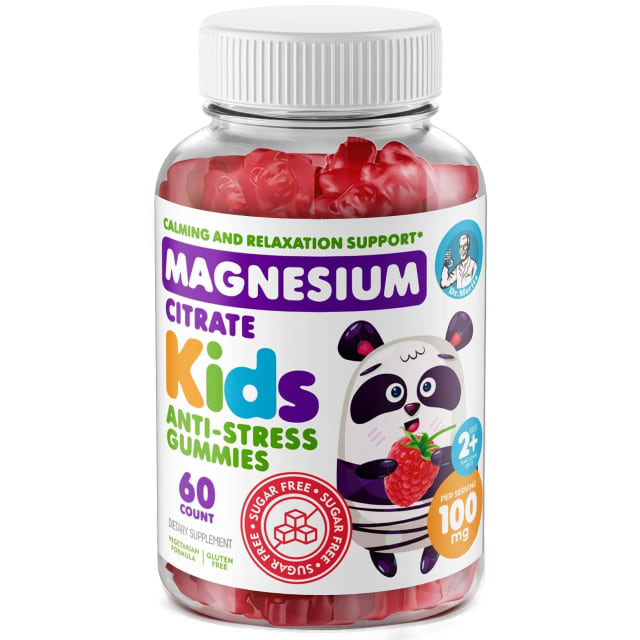
Magnesium Gummies for Anxiety: A Comprehensive Guide to Finding Calm
In today's fast-paced world, feelings of stress and anxiety are increasingly common. Many individuals are turning to natural, supportive solutions to help manage these feelings and promote a sense of daily calm. Among the various options, magnesium gummies have surged in popularity as a palatable and convenient dietary supplement. This comprehensive guide delves into the science, benefits, and practical considerations of using magnesium gummies specifically for anxiety, providing the information needed to make an informed decision.
Understanding Magnesium: The Master Mineral
Magnesium is an essential mineral involved in over 300 biochemical reactions within the human body. It plays a critical role in energy production, nerve function, muscle relaxation, and the synthesis of DNA and proteins. Despite its importance, modern diets—often high in processed foods and low in whole foods like leafy greens, nuts, and legumes—frequently lead to suboptimal magnesium intake. This widespread deficiency is noteworthy because magnesium is fundamentally involved in the body's stress-response systems.
The Link Between Magnesium and Anxiety
The connection between magnesium and anxiety is supported by a growing body of scientific research. Magnesium acts as a natural gatekeeper for the N-methyl-D-aspartate (NMDA) receptors in the brain. When magnesium levels are sufficient, it sits in these receptors, helping to regulate the activity of glutamate, a primary excitatory neurotransmitter. Low magnesium levels can lead to unregulated NMDA activity and excessive glutamate, which is associated with heightened neuronal excitability, stress, and anxiety.
Furthermore, magnesium supports the function of the hypothalamic-pituitary-adrenal (HPA) axis, the body's central stress response system. It helps modulate the release of stress hormones like cortisol. Magnesium also influences gamma-aminobutyric acid (GABA), a neurotransmitter that promotes calm and relaxation by reducing neuronal excitability. In essence, adequate magnesium helps calm the nervous system, making it less reactive to stressors.
Why Choose Magnesium in Gummy Form?
While magnesium is available in capsules, powders, and topical oils, gummies offer distinct advantages that contribute to their popularity.
- Palatability and Compliance: The pleasant taste and chewable form make gummies an easy addition to a daily routine, especially for those who dislike swallowing pills.
- Convenience: They are portable, pre-dosed, and require no preparation or mixing.
- Gentle on the Stomach: Certain forms of magnesium, when delivered in a gummy, can be easier to digest for some individuals compared to large capsules.
However, it is crucial to note that gummies often contain added sugars, flavors, and colorings to improve taste. They may also offer a lower elemental magnesium dose per piece compared to capsules, requiring consumption of multiple gummies to reach a target dose.
Key Forms of Magnesium in Gummies for Anxiety
Not all magnesium is created equal. The "type" of magnesium, defined by the compound it's bound to (its chelate), significantly impacts its absorption and primary effects. For anxiety and relaxation, two forms stand out:
1. Magnesium Glycinate This is often considered the gold standard for mental calm and anxiety support. Magnesium is bound to glycine, a calming amino acid that itself has neurotransmitter functions. Glycine can promote relaxation and improve sleep quality. Magnesium glycinate is highly bioavailable and is renowned for its gentle effects on the digestive system, making it an excellent choice for targeted stress relief.
2. Magnesium Citrate Magnesium bound to citric acid. It is well-absorbed and commonly used. While it is effective for overall magnesium replenishment and can support relaxation, it is also known for its mild osmotic effect in the intestines, which can sometimes lead to looser stools, especially at higher doses. For individuals primarily seeking anxiety support without digestive sensitivity, glycinate is typically preferred.
Other forms like magnesium oxide (poorly absorbed) or magnesium lactate may appear in gummies but are less targeted for neurological benefits.
Comparison of Common Magnesium Forms
| Magnesium Form | Primary Benefits | Best For | Bioavailability | Notes for Anxiety |
|---|---|---|---|---|
| Glycinate | Anxiety relief, sleep support, muscle relaxation | Stress, anxiety, sleep issues | High | Excellent choice due to added calming effect of glycine. Gentle on stomach. |
| Citrate | General supplementation, occasional constipation | Overall magnesium repletion | Good | Effective but may have a laxative effect at higher doses. |
| L-Threonate | Cognitive function, brain health | Brain fog, memory support | High (crosses blood-brain barrier) | Emerging research for mood, but often more expensive. |
| Oxide | Occasional constipation relief | Very low-cost option | Low | Poorly absorbed; not ideal for correcting deficiency or anxiety. |
Core Benefits of Magnesium Gummies Beyond Anxiety
While the focus is on anxiety, magnesium gummies offer a symphony of interconnected benefits that contribute to overall well-being:
- Sleep Support: Magnesium aids in the regulation of melatonin and supports GABA activity, helping to quiet the mind and body for more restful sleep. Improved sleep directly impacts daytime anxiety levels.
- Muscle Recovery: By regulating muscle contraction and relaxation and supporting energy production, magnesium can help ease muscle tension—a common physical symptom of anxiety—and aid post-exercise recovery.
- Stress Relief: As a modulator of the HPA axis and stress hormones, magnesium helps the body's physiological response to stress become more resilient.
- Bone Health: A significant amount of the body's magnesium is stored in the bones, contributing to bone density and strength.
How to Choose and Use Magnesium Gummies for Anxiety
Selecting the right product and using it effectively is key to experiencing potential benefits.
What to Look for on the Label
- Type of Magnesium: Prioritize products featuring magnesium glycinate (sometimes listed as bisglycinate or glycinate chelate) for anxiety. Magnesium citrate is a good secondary option.
- Elemental Magnesium Dose: This is the actual amount of usable magnesium in each serving. Labels list the total compound weight (e.g., "Magnesium (from Magnesium Glycinate) 100mg"). The daily recommended dietary allowance (RDA) for adults is 310-420 mg, but a supplement dose for anxiety often ranges from 200-400 mg of elemental magnesium daily.
- Third-Party Testing: Look for seals from independent labs (like NSF, USP, or ConsumerLab) that verify purity, potency, and the absence of contaminants.
- Ingredient Transparency: Check the sugar content and the source (e.g., organic cane sugar, tapioca syrup). Also, scan for unnecessary artificial colors or flavors if those are a concern.
Dosing and Timing for Optimal Calm
- Starting Dose: It is generally advisable to start with a lower dose (e.g., 100-150 mg of elemental magnesium) to assess tolerance before gradually increasing.
- Optimal Timing for Anxiety: For daytime calm, a dose can be taken with a morning or afternoon meal. For those using it to unwind in the evening and support sleep, taking magnesium gummies 30-60 minutes before bedtime is often most effective. The glycine in magnesium glycinate can promote drowsiness for some.
- Consistency is Key: Magnesium works best as a daily supplement to correct deficiency and support the nervous system over time, rather than as an "as-needed" rescue remedy.
Important Considerations and Potential Side Effects
Magnesium gummies are generally safe for most adults when used as directed, but certain considerations are important.
- Digestive Effects: High doses of magnesium, particularly from forms like citrate, can have a laxative effect, leading to diarrhea or stomach cramps. Starting with a low dose mitigates this risk.
- Medication Interactions: Magnesium can interact with certain medications, including some antibiotics, bisphosphonates (for osteoporosis), and diuretics. It is crucial to consult with a healthcare provider before starting any new supplement, especially for individuals on medication or with kidney conditions.
- Sugar and Additives: The sugar content, while typically small per serving, can add up if multiple gummies are consumed. Sugar-free options often contain sugar alcohols like maltitol, which may cause digestive upset in sensitive individuals.
- Not a Replacement for Professional Care: While magnesium can be a valuable supportive tool, it is not a substitute for professional medical advice, diagnosis, or treatment for anxiety disorders. Individuals experiencing severe or persistent anxiety should seek guidance from a healthcare professional.
Frequently Asked Questions (FAQ)
Q1: How long does it take for magnesium gummies to work for anxiety? A: Effects can vary. Some people may notice a subtle sense of calm within the first few days, particularly with sleep. For correcting a deficiency and creating a more sustained change in nervous system regulation, it typically takes consistent supplementation for 3-4 weeks to feel the full effects.
Q2: Can I take magnesium gummies with other supplements? A: Magnesium is often taken safely with other supplements. It is commonly paired with Zinc and Vitamin D, as they work synergistically. However, it's best to space out magnesium and calcium supplements by a few hours, as they can compete for absorption. A general rule is to discuss any new supplement stack with a healthcare provider.
Q3: Are magnesium gummies safe for children? A: Magnesium is essential for children, but their requirements are lower. Supplementation should only be considered for a child under the direct guidance and dosing recommendation of a pediatrician.
Q4: What's the difference between "calm" formulas and regular magnesium gummies? A: Many "calm" branded formulas specifically use magnesium glycinate or a blend aimed at relaxation. They may also include other supportive ingredients like L-Theanine, GABA, or adaptogenic herbs. It's important to read the label to identify the primary form of magnesium used.
Q5: Can I become dependent on magnesium gummies? A: No. Magnesium is a nutrient, not a drug. The body does not develop a dependency on it. However, if a person stops supplementing and their dietary intake remains poor, magnesium levels may gradually decline again, and previous symptoms of deficiency could return.
Q6: What are the signs of taking too much magnesium? A: The first and most common sign of excess magnesium is digestive upset, particularly diarrhea. In extreme cases of overconsumption (rare from food and supplements alone in healthy individuals), symptoms could include nausea, abdominal cramping, lethargy, and irregular heartbeat. Sticking to recommended doses on the label minimizes this risk.
Final Thoughts
Magnesium gummies, particularly those featuring highly bioavailable and calming forms like magnesium glycinate, present a promising, convenient option for individuals seeking natural support for anxiety, stress, and sleep. By understanding the science, carefully selecting a product based on its form and dosage, and using it consistently as part of a holistic approach to wellness, these supplements can be a valuable tool in one's self-care regimen. As with any health-related decision, pairing supplementation with a nutrient-rich diet, stress-management techniques, and professional medical guidance when needed creates the most solid foundation for long-term calm and well-being.
Affiliate Disclosure
Gummy.mom may earn a commission from purchases made through links on this page. This helps support our research and content creation. We only recommend products we genuinely believe in and have thoroughly researched.