Melatonin Gummies for Kids: A Comprehensive Guide for Parents
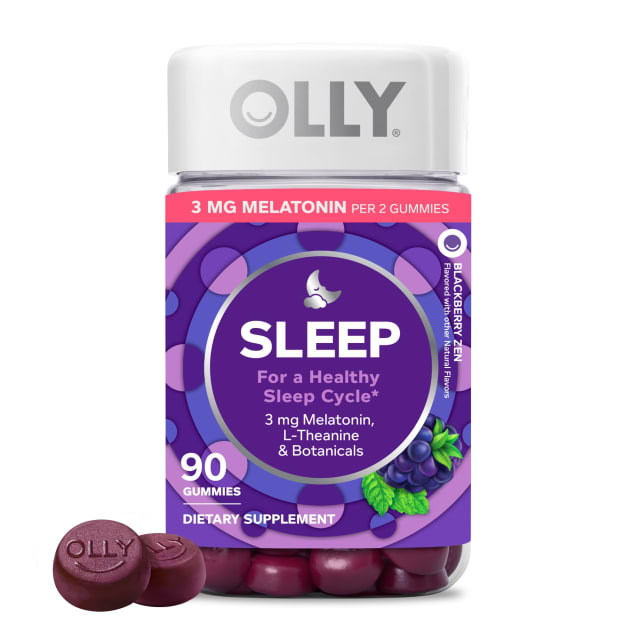
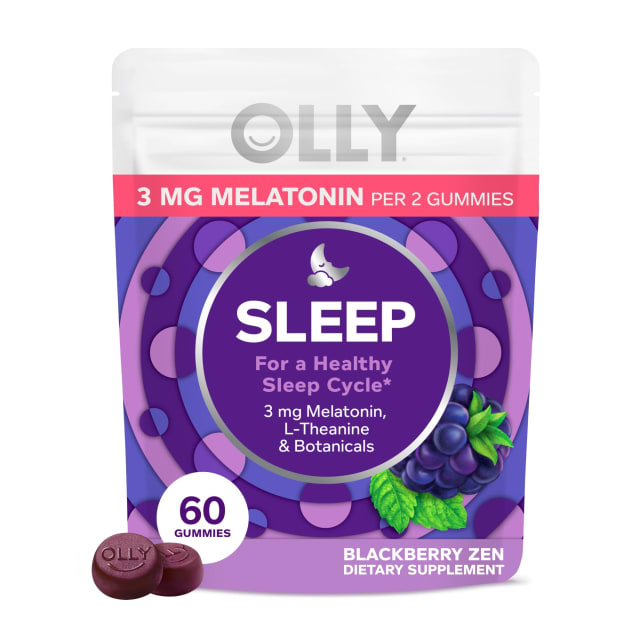
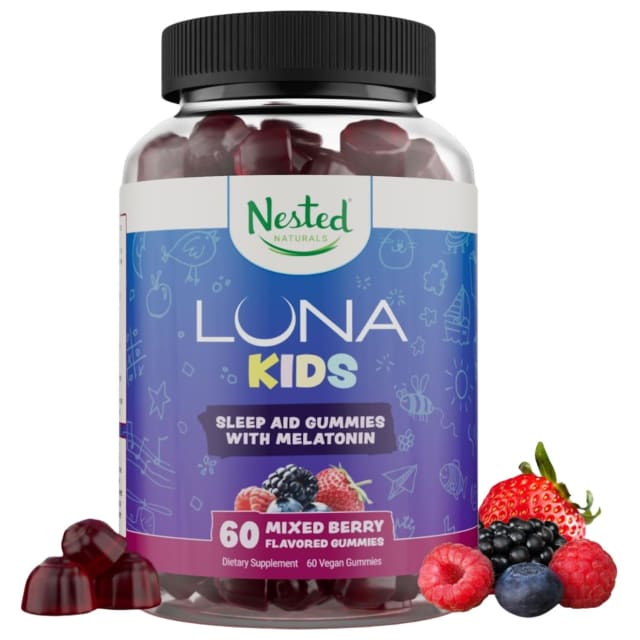
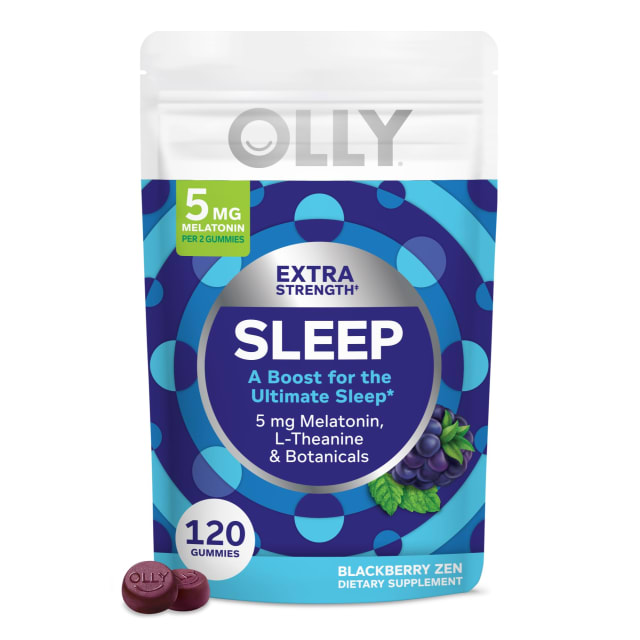
Navigating the world of children's sleep can be a challenging journey for many parents. From bedtime resistance to frequent night wakings, sleep disturbances are a common concern. In the search for solutions, melatonin gummies for kids have surged in popularity as a potential aid. This comprehensive guide aims to provide parents with a detailed, balanced, and informative review of melatonin gummies, focusing on their safe and effective use for children. The goal is to empower caregivers with the knowledge needed to make an informed decision, understanding not only the potential benefits like sleep support and helping children fall asleep faster, but also the critical considerations, proper dosing, and how to select a high-quality product.
Understanding Melatonin: The Body's Sleep Signal
Before delving into gummy supplements, it's essential to understand what melatonin is. Melatonin is a hormone naturally produced by the pineal gland in the brain. Its primary role is to regulate the body's circadian rhythm—the internal 24-hour clock that dictates sleep-wake cycles. Production increases in response to darkness, signaling to the body that it's time to prepare for sleep, and decreases with light exposure.
In children, melatonin levels typically rise in the evening, promoting drowsiness. However, various factors can disrupt this natural production, including screen time before bed, irregular sleep schedules, certain developmental conditions, or travel across time zones. This is where supplemental melatonin may be considered.
Key Benefits of Melatonin Gummies for Kids
When used appropriately under guidance, melatonin gummies can offer specific benefits for children struggling with sleep.
- Sleep Support and Falling Asleep Faster: For children who have difficulty initiating sleep (known as sleep onset insomnia), a small dose of melatonin can help signal the appropriate time for sleep, reducing the time it takes to drift off.
- Regulating Sleep-Wake Cycles: Melatonin can be particularly helpful for children whose circadian rhythms are out of sync, such as those with Delayed Sleep-Wake Phase Disorder or those experiencing the effects of jet lag.
- Improving Sleep Quality: By promoting a more regular sleep onset, melatonin can contribute to a more consolidated and stable night's sleep, though its direct effect on sleep architecture is less pronounced than its role in sleep initiation.
- Supporting Relaxation: Many melatonin gummies for kids are combined with other natural ingredients like L-theanine (an amino acid found in tea) or chamomile, which are known for their calming properties. This synergistic approach can help ease the anxiety or restlessness that sometimes accompanies bedtime.
- Ease of Administration: The gummy format is often more palatable and easier for children to take than pills or liquids, reducing bedtime battles.
Important Considerations and Potential Side Effects
Melatonin is a hormone, not a simple vitamin. Its use in children requires careful thought and, ideally, pediatrician consultation.
- Not a Sedative: Melatonin is a sleep signal, not a sleep drug. It does not force sleep in the way a prescription sedative might. It works best when combined with good sleep hygiene.
- Potential Side Effects: While generally considered safe for short-term use, some children may experience side effects such as:
- Morning drowsiness or grogginess
- Vivid dreams or nightmares
- Headaches
- Dizziness
- Mild nausea
- Bedwetting (in some younger children)
- Underlying Issues: Melatonin should not be used to mask underlying sleep problems, such as sleep apnea, restless leg syndrome, or behavioral issues, which require different interventions.
- Long-Term Effects: The long-term effects of melatonin supplementation in children are not fully known, which is why periodic re-evaluation with a healthcare provider is recommended.
- Regulation: Dietary supplements, including melatonin gummies, are not as strictly regulated by the FDA as pharmaceuticals. This makes third-party testing and brand reputation crucial.
How to Choose the Best Melatonin Gummies for Kids: Evaluation Criteria
Selecting a high-quality product is paramount. Here are the key factors parents should evaluate.
1. Ingredient Quality and Transparency
- Melatonin Source: Look for brands that specify the source and type of melatonin used.
- Supporting Ingredients: Many effective gummies include complementary ingredients. L-theanine promotes relaxation without drowsiness, while chamomile is a traditional herbal relaxant. Avoid products with excessive artificial additives.
- Sugar Content: Since these are gummies, check the sugar type and amount. Options sweetened with organic cane sugar, tapioca syrup, or fruit juices are preferable to those with high-fructose corn syrup or artificial sweeteners.
- Allergens: Clearly check for common allergens like gelatin (often bovine or porcine), gluten, soy, dairy, and nuts.
2. Dosage and Serving Size
- Low and Adjustable Dose: For children, it is best to start with the lowest possible dose. Many pediatricians recommend starting with 0.5 mg to 1 mg, 30-60 minutes before bedtime. The dose can be adjusted slowly if needed, but rarely exceeds 3-5 mg for children, even older ones.
- Clear Labeling: The label should clearly state the amount of melatonin per gummy. Avoid products with unnecessarily high doses for children.
3. Third-Party Testing and Certifications
This is the most critical criterion for ensuring safety and potency. Look for independent verification from organizations like:
- USP (United States Pharmacopeia)
- NSF International
- ConsumerLab.com These certifications confirm that the product contains what the label says it does, in the amounts listed, and is free from harmful levels of contaminants like heavy metals or pesticides.
4. Brand Reputation and Formulation
- Pediatric-Focused Brands: Opt for companies that specialize in children's supplements and provide detailed, science-backed information.
- Clean Formulations: Seek out gummies free from artificial flavors, colors (like Red 40, Blue 1), and preservatives.
Comparison of Melatonin Gummy Features
The table below outlines common features and considerations when comparing different types of melatonin gummies for kids.
| Feature | What to Look For | Why It Matters |
|---|---|---|
| Melatonin Dose | Low dose (0.5 - 1 mg) to start. Clear mg per gummy on label. | Allows for a minimal effective dose. Prevents accidental over-dosage. |
| Key Supporting Ingredients | L-theanine, chamomile, magnesium, lemon balm. | Enhances relaxation and supports the body's natural sleep process. |
| Sweeteners | Organic cane sugar, tapioca syrup, fruit juice. Avoid artificial sweeteners. | Limits unnecessary chemicals and manages sugar intake before bed. |
| Third-Party Testing | Seal from USP, NSF, or other independent lab. | Verifies purity, potency, and safety—non-negotiable for children. |
| Common Allergens | Gelatin-free (pectin-based), gluten-free, dairy-free, nut-free options. | Ensures safety for children with allergies or dietary restrictions. |
| Artificial Additives | Free from artificial flavors and dyes (e.g., FD&C colors). | Reduces risk of behavioral reactions in sensitive children. |
Practical Advice: Dosing, Timing, and Safe Use
1. Always Consult a Pediatrician First: This cannot be overstated. A doctor can rule out underlying conditions, recommend an appropriate dose, and guide proper use. 2. Start Low and Go Slow: Begin with the smallest dose (often 0.5 mg or 1 mg) about 30-60 minutes before the desired bedtime. If after a few nights there is no effect, the dose may be increased slightly, but only under a doctor's advice. 3. Timing is Crucial: Taking melatonin too early or too late can shift the circadian rhythm in the wrong direction. Consistency is key—give it at the same time each night. 4. Use as a Short-Term Tool: Melatonin is often most effective when used for a few weeks to help reset a sleep schedule (e.g., after a school break, for jet lag, or to establish a new routine). It is not typically intended for years of uninterrupted use without medical supervision. 5. Pair with Impeccable Sleep Hygiene: The supplement works best within a framework of good sleep habits: * A consistent, calming bedtime routine. * A cool, dark, and quiet sleep environment. * No screens (TV, tablets, phones) for at least one hour before bed. * A consistent wake-up time, even on weekends. 6. Safe Storage: Treat melatonin gummies like any medication. Store them in a child-proof container, out of reach and sight, to prevent accidental ingestion, which is a leading cause of melatonin-related emergency room visits for children.
Frequently Asked Questions (FAQ)
Q: At what age is it safe to give a child melatonin gummies? A: There is no universally agreed-upon age, and it varies by child and circumstance. While sometimes used in toddlers under strict medical supervision for specific conditions, most over-the-counter use is generally considered for children aged 3 and older. A pediatrician's guidance is essential, especially for very young children.
Q: Can my child become dependent on melatonin gummies? A: Melatonin is not believed to be chemically addictive or cause dependency in the way some sleep medications can. However, a behavioral reliance can develop if a child learns they cannot fall asleep without it. This is why using it as a short-term reset alongside strong sleep habits is the recommended approach.
Q: How long does it take for melatonin gummies to work? A: Most children will feel drowsy within 20 to 60 minutes of taking a dose. It's important to have the child in bed, ready for sleep, when this effect begins.
Q: What should I do if I miss giving a dose at bedtime? A: Do not give a double dose. If it's well past bedtime and your child is still awake, you may give the regular dose if it's within an hour or so of the normal time. If it's much later, skip the dose for that night and resume the normal schedule the following evening. Never give melatonin in the middle of the night or in the morning.
Q: Are there any children who should not take melatonin? A: Yes. Children with autoimmune disorders, those on corticosteroid medications, or those with certain neurological conditions should use melatonin only under close medical supervision. It may also interact with other medications, so a full review with a doctor or pharmacist is necessary.
Q: Can I use adult melatonin gummies and just cut them in half for my child? A: This is not recommended. Adult formulations often contain doses (3 mg, 5 mg, 10 mg) that are too high for children, even when cut. The distribution of the active ingredient may not be even throughout the gummy. It is always safest to use a product specifically formulated and labeled for children.
Conclusion
Melatonin gummies for kids can be a valuable tool in a parent's toolkit for addressing specific, short-term sleep challenges. Their potential benefits in providing sleep support, helping children fall asleep faster, and offering jet lag relief are most fully realized when the supplement is viewed as one part of a holistic approach to sleep. The cornerstone of that approach must always be consistent, healthy sleep habits.
The responsibility lies in choosing a product wisely—prioritizing third-party tested, low-dose, clean-ingredient formulas from reputable brands—and using it judiciously under the guidance of a healthcare professional. By focusing on natural sleep support through a combination of environment, routine, and informed supplementation when necessary, parents can best help their children build the foundation for a lifetime of healthy sleep.
Affiliate Disclosure
Gummy.mom may earn a commission from purchases made through links on this page. This helps support our research and content creation. We only recommend products we genuinely believe in and have thoroughly researched.