Gummy Vitamins for Immune Support: Your Complete Guide to a Delicious Daily Defense
In today's fast-paced world, maintaining a robust immune system is a top priority for many. While a balanced diet, adequate sleep, and regular exercise form the cornerstone of good health, sometimes our bodies need an extra boost. Enter gummy vitamins for immune support—a tasty, convenient, and increasingly popular way to fill nutritional gaps and fortify your body’s natural defenses. This comprehensive guide explores everything you need to know about these chewy supplements, from their key ingredients and benefits to practical advice on choosing the right one for you and your family.
Why Consider Gummy Vitamins for Immune Health?
The immune system is a complex network of cells, tissues, and organs that work in concert to defend the body against pathogens. Certain vitamins and minerals play critical roles in supporting the normal function of this system. Multivitamin gummies designed for immune support typically bundle these key nutrients into a single, palatable dose.
The primary advantage of the gummy format is adherence. Many people find it easier to remember and enjoy taking a delicious gummy than swallowing pills or capsules. This can lead to more consistent supplementation, which is crucial for seeing benefits. They are an excellent option for adults and children who have difficulty with traditional pills or simply want a more enjoyable daily health ritual.
Key Immune-Supporting Nutrients in Gummy Vitamins
Not all gummy vitamins are created equal. When looking for immune support, specific nutrients should be on the label. Here are the most common and well-researched:
- Vitamin C: Perhaps the most famous immune nutrient, vitamin C supports various cellular functions of both the innate and adaptive immune systems. It’s also a potent antioxidant that helps protect cells from oxidative stress.
- Vitamin D: Crucial for immune function, vitamin D helps activate immune defenses. Many people are deficient, especially in winter months or with limited sun exposure, making supplementation common.
- Zinc: This mineral is essential for the normal development and function of cells mediating innate immunity. Zinc also plays a role in inflammatory response.
- Vitamin A: Important for maintaining the integrity of mucosal surfaces (like in the respiratory and digestive tracts), which act as the body's first line of defense.
- Vitamin E: A powerful antioxidant that helps combat oxidative stress and may support the immune response, particularly in older adults.
- B Vitamins (B6, B9 Folate, B12): These vitamins are vital for supporting biochemical reactions in the immune system and energy production.
A high-quality daily vitamin gummy will contain a blend of these, often alongside other essential vitamins and minerals for overall health.
How to Choose the Best Gummy Vitamins for Immune Support
With shelves and web pages full of options, selecting the right product requires a careful look beyond the flavor. Here is a step-by-step guide.
Step 1: Identify Your Demographic Needs
Gummy vitamins are formulated with different life stages and biological needs in mind.
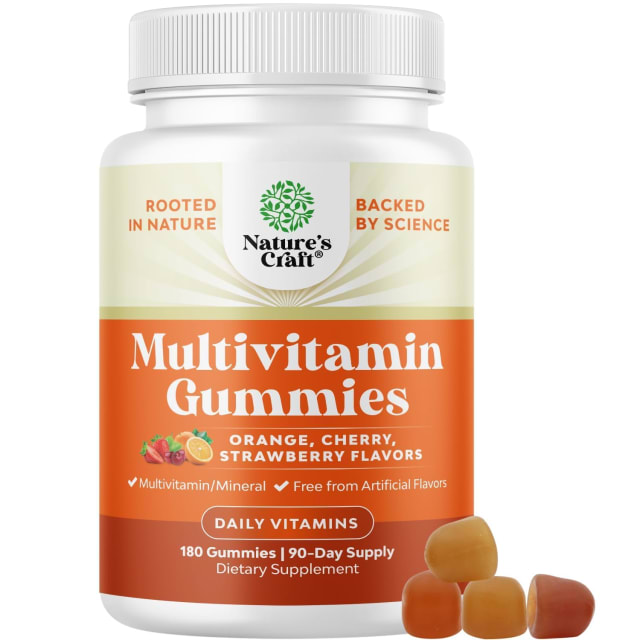
- Adult Gummy Vitamins: Generally contain higher doses of nutrients and may include targeted blends for energy, stress, or immune support. They typically omit iron (which adults often get enough of from diet and can be toxic in high doses).
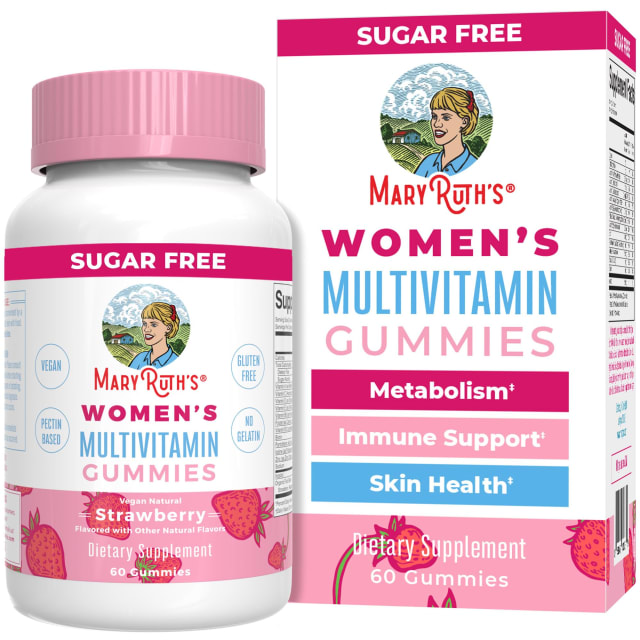
- Women’s Gummy Vitamins: May include higher amounts of iron (to compensate for menstrual losses), calcium, vitamin D, and folate. Formulas for women of childbearing age often emphasize prenatal nutrients.
- Men’s Gummy Vitamins: Usually contain little to no iron and may include nutrients like saw palmetto or lycopene for prostate health.
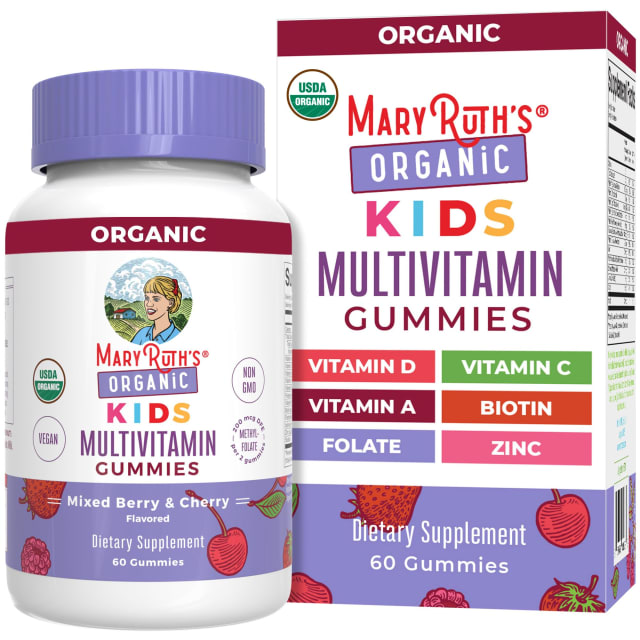
- Kids Gummy Vitamins: Formulated with age-appropriate doses for children. They are often lower in potency and come in fun shapes and flavors to encourage compliance. Always choose a product designed specifically for children.
Step 2: Scrutinize the Supplement Facts Label
This is the most critical step. Look for:
- Key Immune Nutrients: Ensure the product contains meaningful amounts of vitamins C, D, zinc, and others listed above. Check the % Daily Value (%DV).
- Sugar Content: Gummies need sweeteners. Look for options with lower added sugar (often 1-4 grams per gummy). Sugar alcohols (like sorbitol) or natural sweeteners (like stevia or monk fruit) may be used, but sugar alcohols can cause digestive upset in some people.
- Other Ingredients: Check for unwanted additives, artificial colors, or flavors if those are a concern. Many brands now offer natural colorings from fruit and vegetable juices.
- Third-Party Testing: The gold standard. Look for a seal from independent labs like USP, NSF, or ConsumerLab.com. This verifies that what’s on the label is in the bottle and that the product is free from contaminants.
Step 3: Consider Dosage and Timing
- Dosing: Most gummy vitamins are taken once or twice daily. Never exceed the recommended dose on the label, as fat-soluble vitamins (A, D, E, K) can accumulate in the body.
- Timing: Gummy vitamins can be taken with or without food. However, taking them with a meal containing a little fat can improve the absorption of fat-soluble vitamins. Consistency is more important than timing—take them at a time you’ll remember, like with breakfast or after brushing your teeth.
Step 4: Evaluate Cost and Value
Gummy vitamins can be more expensive than their pill counterparts. Calculate the cost per serving. A slightly more expensive bottle with a higher-quality ingredient list or third-party testing may offer better value and peace of mind.
Comparison: Key Features of Immune Support Gummy Vitamins
The table below outlines general features to look for across different demographic categories. Always check the specific product label for exact details.
| Feature | Adult Gummy Vitamins | Women’s Gummy Vitamins | Men’s Gummy Vitamins | Kids Gummy Vitamins |
|---|---|---|---|---|
| Primary Immune Nutrients | Vitamins C, D, Zinc, E | Vitamins C, D, Zinc, E, often with Iron | Vitamins C, D, Zinc, E | Vitamins C, D, Zinc, A |
| Other Common Inclusions | B-Complex, Antioxidant blends | Higher Calcium, Folate, Iron | Selenium, Lycopene, sometimes Herbal blends | Essential vitamins for growth, DHA in some |
| Typical Dosage | 1-2 gummies daily | 1-2 gummies daily | 1-2 gummies daily | 1-2 gummies daily (age-dependent) |
| Key Considerations | Check for sugar content; avoid mega-doses. | Look for iron if needed; prenatal versions available. | Usually iron-free; may support prostate health. | Crucial: Use child-specific formulas; keep out of reach. |
| Flavor/Format | Berry, Citrus, Tropical | Berry, Fruit Blends | Berry, Citrus | Character shapes, Fruit, Cherry, Orange |
Benefits and Important Considerations
Potential Benefits
- Convenience and Compliance: The enjoyable format makes it easier to stick to a daily regimen.
- Immune System Support: Provides key nutrients that contribute to the normal function of the immune system.
- Filling Nutritional Gaps: Compensates for dietary shortfalls, which is common with busy lifestyles or restrictive diets.
- Easier Digestion: For those who experience stomach upset with traditional pills, gummies can be a gentler alternative.
Potential Considerations and Side Effects
- Sugar and Calories: Even low-sugar gummies contribute some calories and sugar to the daily intake. This is an important consideration for those monitoring sugar intake.
- Overconsumption Risk: Their candy-like appearance can lead to temptation, especially for children. It is vital to treat them as medication and store them securely. Overdosing on certain vitamins (like iron or vitamin A) can be dangerous.
- Dental Health: The sticky texture and sugar can adhere to teeth. It’s advisable to take them with a meal and maintain good oral hygiene.
- Potency Limitations: Due to their format, gummies may not contain as high a dose of certain nutrients (like magnesium or calcium) as capsules because it would affect texture and taste.
- Gelatin Source: Most gummies use gelatin (derived from animals). Vegetarians and vegans should look for pectin-based gummies.
Practical Tips for Taking Gummy Vitamins
- Store Properly: Keep the bottle in a cool, dry place, tightly sealed. The delicious flavor can attract children and pets, so always store them up and out of sight.
- Pair with a Healthy Lifestyle: Gummy vitamins are supplements, not substitutes. They work best alongside a nutrient-rich diet, adequate hydration, quality sleep, and regular physical activity.
- Consult a Healthcare Provider: Before starting any new supplement, especially if you have underlying health conditions, are pregnant or breastfeeding, or take prescription medications, speak with a doctor or registered dietitian.
- Be Patient: Nutritional supplements are not quick fixes. It can take several weeks of consistent use to notice changes in overall well-being.
- Check Expiration Dates: Vitamins can lose potency over time. Do not use expired products.
Frequently Asked Questions (FAQ)
Q: Are gummy vitamins as effective as pill-form vitamins? A: If they contain the same type and amount of bioavailable nutrients, they can be equally effective for addressing nutritional deficiencies. The key is the quality of the ingredients and proper manufacturing. The main difference is often the dosage—some high-potency minerals are difficult to incorporate into a gummy.
Q: Can I take immune support gummies year-round? A: Yes, for most people, taking a daily multivitamin gummy as directed is safe for ongoing use. The immune system requires consistent nutritional support. However, it’s always wise to periodically reassess your needs with a healthcare professional.
Q: What happens if I (or my child) eat too many gummy vitamins? A: This is a serious concern. Overconsumption can lead to vitamin toxicity, especially with fat-soluble vitamins (A, D, E, K) and iron. Symptoms can include nausea, vomiting, headache, and in severe cases, organ damage. If an overdose is suspected, contact poison control or seek medical attention immediately.
Q: Do gummy vitamins expire? A: Yes, they do. The expiration date indicates the period during which the product is guaranteed to contain the labeled amount of nutrients. After this date, the vitamins may degrade and lose potency. The gummy itself may also change in texture or taste.
Q: Are there any adults who should avoid gummy vitamins? A: Individuals who need to strictly limit sugar intake (e.g., those with diabetes on certain regimens) should carefully evaluate the sugar content. People with certain medical conditions affecting iron absorption or storage (like hemochromatosis) should avoid gummies containing iron unless directed by a doctor.
Q: Can I replace fruits and vegetables with gummy vitamins? A: Absolutely not. Whole foods provide a complex matrix of fiber, antioxidants, phytochemicals, and nutrients that work synergistically—benefits that cannot be replicated by a supplement. Gummy vitamins are intended to supplement a healthy diet, not replace its core components.
Final Thoughts
Gummy vitamins for immune support offer a practical and pleasant avenue to help meet daily nutritional needs and support the body’s defense systems. By carefully selecting a high-quality product tailored to your demographic, scrutinizing labels for key nutrients and third-party testing, and using them responsibly as part of a broader healthy lifestyle, you can turn a simple daily habit into a meaningful investment in your long-term well-being. Always remember that the foundation of health is built on balanced nutrition, regular activity, and sufficient rest—with supplements like multivitamin gummies playing a supportive, not leading, role.
Affiliate Disclosure
Gummy.mom may earn a commission from purchases made through links on this page. This helps support our research and content creation. We only recommend products we genuinely believe in and have thoroughly researched.