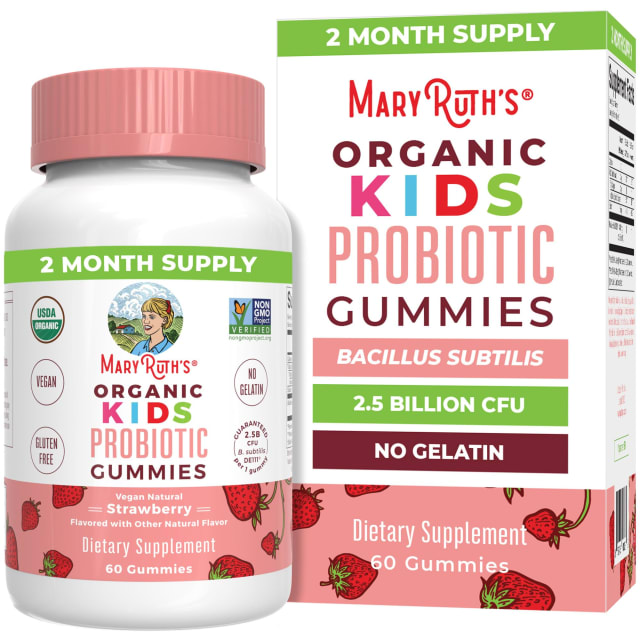
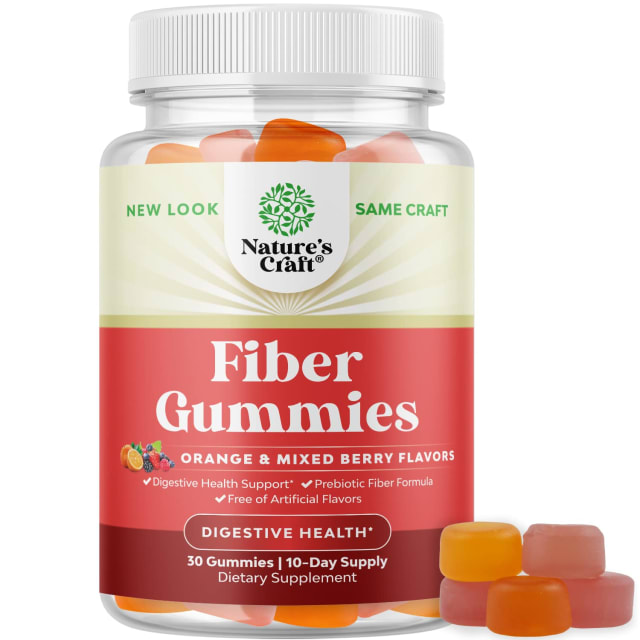
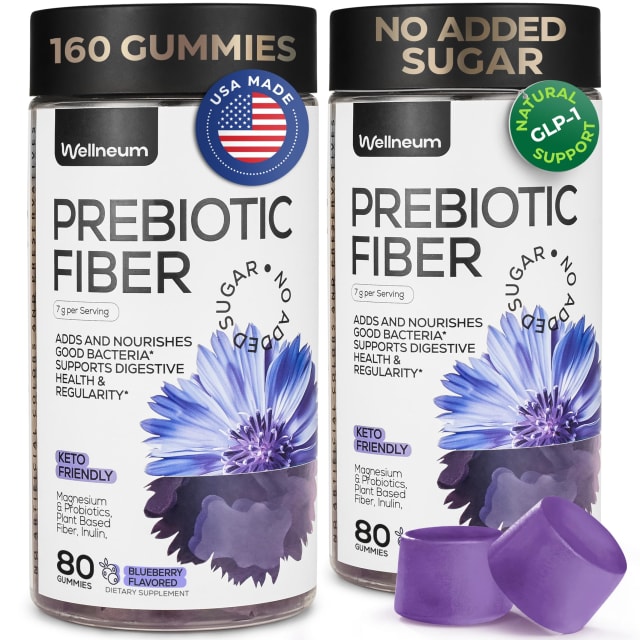
Do Probiotic Gummies Work? A Science-Backed Guide to Gut Health in a Chewable Form
In the bustling world of dietary supplements, probiotic gummies have carved out a sweet and colorful niche. They promise the well-documented benefits of probiotics—support for gut health, digestion, and immunity—in a convenient, tasty, and often sugar-coated package. But a critical question remains for the discerning consumer: do probiotic gummies actually work? The answer is nuanced. When formulated correctly and chosen wisely, probiotic gummies can be an effective tool for supporting your microbiome. However, their efficacy hinges on several crucial factors that separate the high-quality options from the merely sugary snacks. This comprehensive guide delves into the science, the benefits, the key considerations, and the practical advice you need to make an informed decision.
Understanding the Basics: Probiotics, Prebiotics, and Your Gut
Before assessing the gummy format, it’s essential to understand what probiotics are and why they matter.
Probiotics are live microorganisms that, when administered in adequate amounts, confer a health benefit on the host. Often called "good" or "friendly" bacteria, they are naturally found in fermented foods like yogurt, kefir, sauerkraut, and kimchi. Their primary role is to help maintain a balanced gut microbiota, which is the complex community of trillions of bacteria living in your digestive tract.
Prebiotics are non-digestible fibers that act as food for these beneficial bacteria. Think of them as fertilizer for your gut garden. Many high-quality probiotic supplements, including some gummies, include prebiotics to enhance the survival and activity of the probiotics—these are often called synbiotic formulas.
The balance of your gut flora is linked to numerous aspects of health, making probiotics a target for supporting:
- Digestive balance and regularity
- Immune system function (a significant portion of the immune system resides in the gut)
- Nutrient absorption
- Relief from occasional bloating, gas, and discomfort
The Science Behind Probiotic Gummies: Can Delicious Be Effective?
The core challenge for any probiotic supplement is delivering a sufficient number of viable, alive bacteria to the intestines, where they can colonize and work. Stomach acid is designed to kill pathogens, and it can be equally harsh on delicate probiotic strains. This is where the "do they work?" debate often centers.
The Case for Gummies: Advantages and Formulation Hurdles
Advantages:
- Compliance and Consistency: The most significant advantage of a gummy is palatability. People are more likely to take a supplement consistently if it tastes good and feels like a treat, leading to better long-term adherence.
- No Need for Water: They are convenient and can be taken anywhere, anytime.
- Accessibility for Those Who Struggle with Pills: This format is excellent for both children and adults who have difficulty swallowing capsules.
Formulation Hurdles:
- Survivability: The gummy manufacturing process involves heat and moisture, which can be detrimental to live bacteria. Reputable brands use specialized, often patented, techniques (like microencapsulation) to protect the strains during production and shelf life.
- CFU Count at Expiry: CFU (Colony Forming Units) is the measure of viable bacteria in a supplement. The critical number to look for is the CFU guarantee "at time of expiry," not just at manufacturing. A quality product will ensure the listed CFUs are alive and deliverable until the bottle's expiration date.
- Ingredients: Gummies often contain sugars, gelatin, natural flavors, and colors to achieve their texture and taste. These ingredients are not inherently bad, but they can sometimes create an environment less ideal for bacterial stability compared to a minimalist capsule.
Scientific Backing: Research on probiotic efficacy primarily focuses on the strains themselves, not necessarily the delivery format. Studies have shown that specific, well-researched strains (like Lactobacillus and Bifidobacterium species) are effective for various health outcomes. The key is that these strains must be alive and present in adequate numbers when consumed, regardless of whether they are in a capsule, powder, or gummy.
Key Benefits of Probiotic Gummies: What Can You Realistically Expect?
When you choose a high-quality probiotic gummy, you are aiming to support several interconnected areas of health:
1. Supporting Digestive Balance and Bloating Relief
A balanced gut microbiome aids in the efficient breakdown of food and the regulation of digestive processes. Probiotics can help manage the population of gas-producing bacteria, potentially leading to a reduction in occasional bloating, gas, and abdominal discomfort. They also support regular bowel movements.
2. Boosting Immune Support
The gut-associated lymphoid tissue (GALT) is a major component of the body's immune system. A healthy, diverse gut flora supports the intestinal barrier and helps regulate immune responses. By promoting a balanced microbiome, probiotics contribute to foundational immune support.
3. Enhancing Nutrient Absorption
A well-functioning digestive system, aided by beneficial bacteria, is better equipped to break down food and absorb essential vitamins and minerals, such as B vitamins, calcium, and iron.
4. Promoting Overall Gut Health
Think of probiotics as gardeners for your gut ecosystem. They help cultivate a diverse and resilient microbial community, which is increasingly linked to overall well-being, beyond just digestive comfort.
How to Choose an Effective Probiotic Gummy: A Buyer’s Checklist
Not all probiotic gummies are created equal. Use this checklist to evaluate your options.
1. Strain Specificity and Diversity
Look for products that list the full genus, species, and strain of each probiotic (e.g., Lactobacillus rhamnosus GG). Different strains have different functions. A blend of multiple strains may offer broader support. Common and well-researched genera include Lactobacillus and Bifidobacterium.
2. CFU Count (At Expiry!)
A CFU count in the billions is standard. For general health, 1-10 billion CFUs per serving is common, but some conditions may benefit from higher counts. The most important factor is that this number is guaranteed through the product's expiration date.
3. Presence of Prebiotics
A formula that includes prebiotic fibers (like inulin or fructooligosaccharides) can help nourish the probiotics, making the supplement more effective. This synbiotic approach is a mark of a thoughtful formulation.
4. Sugar Content and Ingredient Quality
Since gummies require sweetening, examine the sugar source and amount. Options like organic cane sugar, tapioca syrup, or stevia are common. Aim for a product with minimal added sugar (ideally 1-3 grams per gummy). Also, check for unwanted artificial flavors, colors, or excessive fillers.
5. Third-Party Testing and Reputation
Choose brands that are transparent about their manufacturing processes and engage in third-party testing for purity, potency, and label accuracy. Look for certifications from organizations like NSF International or USP.
6. Storage Requirements
While many probiotic gummies are shelf-stable, some may require refrigeration to maintain potency. Always follow the storage instructions on the label.
Probiotic Gummies vs. Other Formats: A Quick Comparison
| Feature | Probiotic Gummies | Probiotic Capsules/Pills | Probiotic Powders | Fermented Foods (e.g., Yogurt) |
|---|---|---|---|---|
| Ease of Use | Very High, no water needed | High, requires water | Moderate, must be mixed | High, consumed as food |
| Taste/Palatability | Excellent, sweet/flavored | Neutral | Can be chalky or bland | Varies (tangy, sour) |
| Typical CFU Potency | Moderate to High | Often Very High | Often Very High | Variable, usually lower |
| Strain Survivability | Can be a challenge; brand-dependent | Generally excellent (enteric-coated) | Generally good | Good (live & active cultures) |
| Added Ingredients | Often includes sugars, flavors | Minimal fillers | Minimal, sometimes flavorings | Milk, vegetables, salts, etc. |
| Best For | Daily adherence, kids, pill-averse | High-potency needs, specific strains | Customizable dosing, adding to drinks | Dietary integration, whole-food source |
Practical Advice: Dosing, Timing, and Maximizing Effectiveness
Dosing: Always follow the dosage on the product label, typically 1-2 gummies per day. More is not necessarily better; consistency is key.
Timing: While timing isn't always critical, some evidence suggests taking probiotics with a meal, particularly one containing a little healthy fat, can help buffer stomach acid and improve survivability. Taking them at the same time each day helps build consistency.
Maximizing Effectiveness:
- Consistency is Crucial: Probiotics are not a permanent fix; they are a temporary resident population. Taking them daily is necessary to maintain their benefits.
- Support with Diet: Feed your good bacteria with a diet rich in prebiotic fibers (found in garlic, onions, bananas, asparagus, oats) and fermented foods.
- Be Patient: It can take 2-4 weeks of consistent use to notice changes in digestive comfort, as the microbiome adjusts.
Important Considerations and Potential Side Effects
While generally safe for most people, it’s important to be aware of potential considerations:
- Initial Adjustment Period: Some people may experience mild gas or bloating when first starting a probiotic. This usually subsides within a few days as the gut adjusts.
- Sugar and Calorie Content: Regular consumers should account for the small amount of sugar and calories in daily gummies, especially if managing blood sugar or weight.
- Not a Substitute for a Healthy Diet: Probiotic supplements are meant to complement, not replace, a balanced, fiber-rich diet.
- Specific Health Conditions: Individuals with severe immune deficiencies, recent surgery, or critical illness should consult a healthcare professional before starting any probiotic supplement.
- Quality Variance: The biggest risk is choosing a low-quality product that delivers dead or ineffective bacteria, rendering it a costly, sugary placebo.
Frequently Asked Questions (FAQ)
Q1: How long does it take for probiotic gummies to start working? Most people may begin to notice subtle improvements in digestive comfort, such as reduced bloating, within 1-2 weeks. However, for more significant shifts in gut flora diversity, consistent use for 3-4 weeks or longer is often recommended.
Q2: Can children take probiotic gummies? Yes, many probiotic gummies are formulated specifically for children. It is crucial to choose a product designed for their age group with an appropriate CFU count and to consult with a pediatrician beforehand, especially for very young children or those with health concerns.
Q3: Do I need to refrigerate my probiotic gummies? Not necessarily. Many modern probiotic gummies are formulated to be shelf-stable. Always check the product label. If it requires refrigeration, it must be stored in the fridge to maintain the viability of the live cultures.
Q4: Are there any medications that interact with probiotics? Probiotics can sometimes interact with immunosuppressant medications. While generally safe, it is always prudent to discuss adding any new supplement with your doctor or pharmacist, especially if you are on prescription antibiotics or have an underlying health condition.
Q5: Can I take too many probiotic gummies? Exceeding the recommended dose is unlikely to cause serious harm but may increase the likelihood of temporary digestive discomfort like gas or bloating. It is also an unnecessary expense. Adhering to the suggested serving size is the best practice.
Q6: Why do some probiotic gummies contain prebiotics? Prebiotics are food for probiotics. Including them creates a "synbiotic" formula that aims to give the beneficial bacteria a nourishing environment once they arrive in the gut, potentially enhancing their survival and efficacy.
Final Verdict: Do Probiotic Gummies Work?
Yes, high-quality probiotic gummies can work, but with important caveats. Their effectiveness is entirely dependent on the integrity of the formulation—the use of resilient, research-backed strains, a guaranteed high CFU count at expiry, and manufacturing processes that protect the live bacteria.
For the individual seeking a tasty, convenient, and consistent way to support foundational gut health, digestive balance, and immune support, a well-chosen probiotic gummy is a valid and effective option. The key is to be an informed consumer: look beyond the marketing, scrutinize the label for strain information and CFU guarantees, and choose a reputable brand that prioritizes scientific rigor. When you find that product, you can enjoy the simple, daily habit of supporting your microbiome, one delicious gummy at a time.
Affiliate Disclosure
Gummy.mom may earn a commission from purchases made through links on this page. This helps support our research and content creation. We only recommend products we genuinely believe in and have thoroughly researched.