Probiotic Gummies for Immune Support: Your Guide to a Healthier Gut and Stronger Defenses
In recent years, the quest for better health has led many to the supplement aisle, where a colorful, chewy contender has risen to prominence: probiotic gummies. Once a niche product, these tasty supplements have become a popular gateway to supporting gut health and, by extension, the immune system. This comprehensive guide delves into the science and practicalities of using probiotic gummies specifically for immune support, offering actionable advice for anyone looking to strengthen their body's natural defenses in a palatable way.
The Gut-Immune Connection: Why Your Digestive System Holds the Key
To understand why probiotic gummies for immune support are so compelling, one must first explore the profound link between the gut and the immune system.
Approximately 70-80% of the body's immune cells reside in the gut-associated lymphoid tissue (GALT). This means the digestive tract is the frontline of immune defense. Trillions of bacteria, both beneficial and harmful, live in the gastrointestinal system, forming a complex ecosystem known as the gut microbiome. A balanced, diverse microbiome is crucial for training immune cells, regulating inflammation, and creating a barrier against pathogens.
Probiotics are live microorganisms that, when administered in adequate amounts, confer a health benefit on the host. They work by:
- Crowding Out Harmful Bacteria: They compete for resources and adhesion sites, making it harder for pathogens to establish themselves.
- Strengthening the Gut Lining: They support the production of proteins that tighten the junctions between intestinal cells, preventing "leaky gut."
- Producing Beneficial Compounds: Certain strains produce short-chain fatty acids (like butyrate) that nourish gut cells and have anti-inflammatory effects.
- Direct Communication: They interact with immune cells in the GALT, helping to modulate and balance the immune response.
When the gut microbiome is imbalanced (a state called dysbiosis), this communication breaks down, potentially leading to a weakened or overactive immune system. This is where targeted probiotic supplementation can play a supportive role.
How Probiotic Gummies Work to Support Immune Function
Probiotic gummies deliver specific strains of beneficial bacteria in a convenient, enjoyable format. Unlike capsules that may need water, gummies are portable and discreet. For immune support, the efficacy hinges on two critical factors: the strains used and their viability upon consumption.
Key strains commonly researched for immune modulation include:
- Lactobacillus rhamnosus GG: One of the most clinically studied strains, shown to support respiratory health and reduce the incidence of certain infections.
- Bactobacillus acidophilus: Helps maintain intestinal balance and supports the body's natural antibody production.
- Bifidobacterium lactis: Known to enhance immune cell activity and support digestive regularity.
- Lactobacillus casei: Often studied for its role in supporting immune function during seasonal challenges.
It's important to note that effects are often strain-specific. A gummy containing strains studied for digestive comfort may not have the same immune-focused research behind it.
Key Benefits of Probiotic Gummies: Beyond Immune Support
While the focus here is on immune support, the benefits of a balanced gut microbiome are systemic. High-quality probiotic gummies can contribute to:
- Digestive Balance & Bloating Relief: Probiotics help break down food, aid digestion, and can reduce gas production, alleviating discomfort and bloating.
- Enhanced Nutrient Absorption: A healthy gut lining is more efficient at absorbing vitamins and minerals from food, particularly B vitamins, calcium, and iron.
- Gut Health Foundation: Regular supplementation can help maintain microbial diversity and resilience, which is the cornerstone of overall well-being.
What to Look for When Choosing Probiotic Gummies for Immune Support
Navigating the market requires a discerning eye. Here are the essential criteria for selecting an effective product:
1. Strain Specificity and Transparency
Look for gummies that clearly list the genus, species, and strain of each probiotic (e.g., Lactobacillus rhamnosus GG). Products listing only "probiotic blend" without strain details offer less transparency. Prioritize gummies that include strains with clinical research for immune health.
2. Colony Forming Units (CFU) Count
CFU indicates the number of viable bacteria. For general immune and gut health, a range of 1-10 billion CFU per serving is common for gummies. More is not always better; the goal is an adequate amount of the right strains that can survive to the gut.
3. Inclusion of Prebiotics
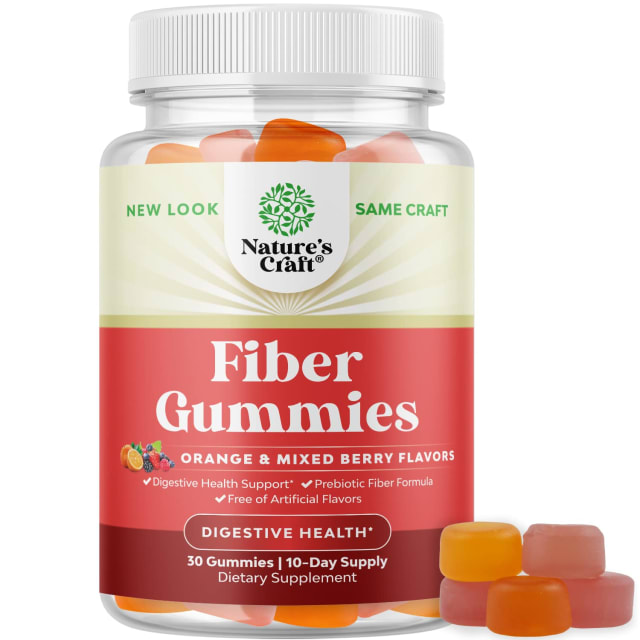
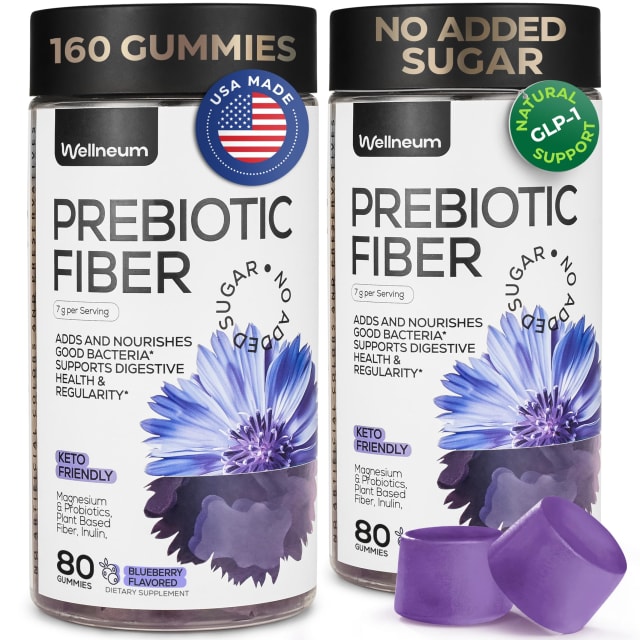
Prebiotics are non-digestible fibers (like inulin or fructooligosaccharides) that act as food for probiotics. A gummy that combines probiotics with prebiotics is called a synbiotic, offering a more comprehensive approach by nourishing the beneficial bacteria.
4. Sugar Content and Other Ingredients
Since gummies are a confectionery format, examine the sugar source and amount. Opt for gummies sweetened with natural sources like organic cane sugar, tapioca syrup, or stevia, and aim for the lowest sugar content possible (often 1-3 grams per gummy). Avoid artificial colors and flavors.
5. Third-Party Testing and Viability Guarantee
Reputable brands invest in third-party testing to verify the CFU count at the time of expiration, not just at manufacture. A "viability guarantee" ensures the bacteria are alive and potent when you take them.
6. Storage Requirements
Some probiotic gummies require refrigeration to maintain potency, while others are shelf-stable due to the strains or manufacturing technology used. Always follow the label's storage instructions.
Probiotic Gummy Comparison: Key Features at a Glance
| Feature | What It Means | Why It Matters for Immune Support |
|---|---|---|
| Strain Diversity | Number of different probiotic strains included. | A diverse blend may support broader gut health, but immune-specific strains are key. |
| CFU Count | Colony Forming Units, the measure of live bacteria. | Ensures a sufficient dose reaches the gut to exert an effect. Look for a count at expiration. |
| Prebiotic Included | Presence of fibers like inulin or FOS. | Nourishes the probiotics and your existing gut bacteria, creating a synergistic effect. |
| Sugar per Serving | Total grams of added sugar. | High sugar can feed harmful gut bacteria and counteract benefits. Lower is better. |
| Shelf-Stable | Does not require refrigeration. | Offers convenience and portability, but check for viability guarantees. |
| Targeted Strains | Includes strains like L. rhamnosus GG or B. lactis. | Indicates a formulation potentially backed by immune-specific research. |
Practical Advice: Dosing, Timing, and Maximizing Benefits
For optimal results, consistency is more important than mega-dosing.
- Dosing: Follow the manufacturer's serving suggestion, typically 1-2 gummies daily. There is no universal "best" CFU count; efficacy depends on the individual and the strains.
- Timing: While they can be taken any time, many experts suggest taking probiotics with a meal or shortly before. The presence of food can help buffer stomach acid, improving the survival rate of the bacteria as they pass to the intestines.
- Duration: Probiotics are not a permanent colonizer; their effects are transient. Regular, daily intake is necessary to maintain their population and benefits in the gut.
- Maximizing Effects: Pair your probiotic gummy with a diet rich in diverse fibers (fruits, vegetables, legumes, whole grains) and fermented foods (yogurt, kefir, sauerkraut). This creates a favorable environment for probiotics to thrive.
- When to Take: For consistency, link it to a daily habit like breakfast or your morning vitamins.
Important Considerations and Potential Side Effects
Probiotic gummies are generally safe for most healthy adults, but they are not without considerations.
- Initial Adjustment Period: Some people may experience mild gas, bloating, or changes in bowel habits for the first few days as the gut microbiome adjusts. This usually subsides.
- Sugar and Additives: The gummy format inherently contains sweeteners. Individuals monitoring sugar intake or with sensitivities to additives should scrutinize labels.
- Not a Magic Bullet: Probiotics are a supportive tool, not a replacement for a balanced diet, adequate sleep, stress management, and other pillars of immune health.
- Specific Populations: Individuals with compromised immune systems, critical illness, or those about to undergo surgery should consult a healthcare professional before starting any probiotic supplement.
- Quality Variance: The supplement industry has varying levels of quality control. Choosing a reputable brand that uses third-party testing is crucial.
Frequently Asked Questions (FAQ)
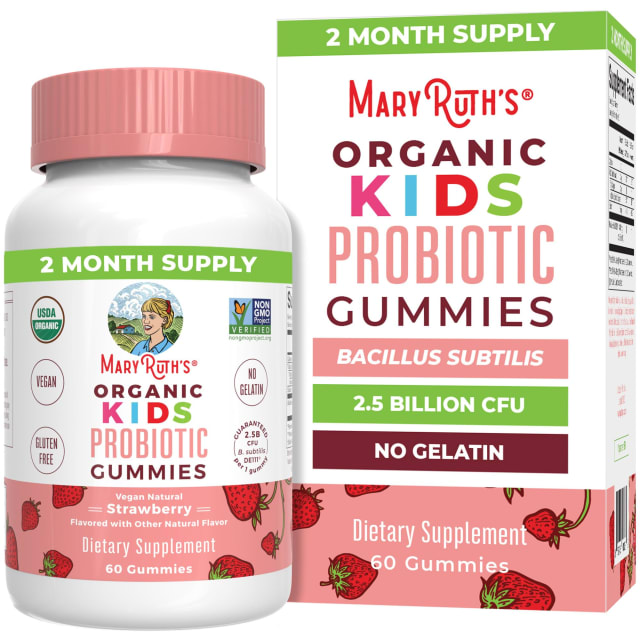
Q1: Can children take probiotic gummies for immune support? A: Yes, there are probiotic gummies specifically formulated for children with age-appropriate strains and CFU counts. However, it is always advisable to consult with a pediatrician before starting any new supplement for a child.
Q2: How long does it take to feel the effects of probiotic gummies? A: Timelines vary. Some notice digestive changes (like reduced bloating) within a few days to a week. For broader immune support effects, it may take several weeks of consistent use to notice a difference, as the microbiome shifts gradually.
Q3: Do probiotic gummies need to be refrigerated? A: It depends on the product. Some do, while many modern, shelf-stable formulations do not. Always check the product label and follow the manufacturer's storage instructions to ensure potency.
Q4: Can I take probiotic gummies with antibiotics? A: Taking probiotics during and after a course of antibiotics may help maintain gut balance and reduce the risk of antibiotic-associated diarrhea. It is generally recommended to space the intake by 2-3 hours. Always inform your doctor about any supplements you are taking.
Q5: Are there any ingredients I should avoid in probiotic gummies? A: Be mindful of high sugar content, artificial colors (like Red 40, Blue 1), and artificial flavors. Individuals with sensitivities should also check for common allergens like gelatin (often derived from pork or beef, though many gummies now use pectin) or gluten.
Q6: Are probiotic gummies as effective as capsules or powders? A: The format does not inherently determine effectiveness; the key factors are strain selection, CFU viability, and survival through stomach acid. High-quality gummies can be just as effective. Capsules may sometimes offer higher CFU counts or more specialized strains, but gummies offer superior compliance for those who prefer them.
Making an Informed Choice for Your Health
Probiotic gummies for immune support represent a fusion of modern nutritional science and consumer-friendly delivery. They offer a palatable and convenient way to invest in gut health, which serves as the foundation for a robust immune system. By focusing on strain specificity, CFU viability, and complementary ingredients like prebiotics, consumers can make an educated choice that aligns with their wellness goals.
Ultimately, these gummies are one piece of a larger health puzzle. They work best in concert with a nutrient-dense diet, regular physical activity, and healthy lifestyle habits. By understanding the how and why behind the supplement, individuals can move beyond trend-driven purchases to make genuinely supportive decisions for their long-term well-being.
Affiliate Disclosure
Gummy.mom may earn a commission from purchases made through links on this page. This helps support our research and content creation. We only recommend products we genuinely believe in and have thoroughly researched.