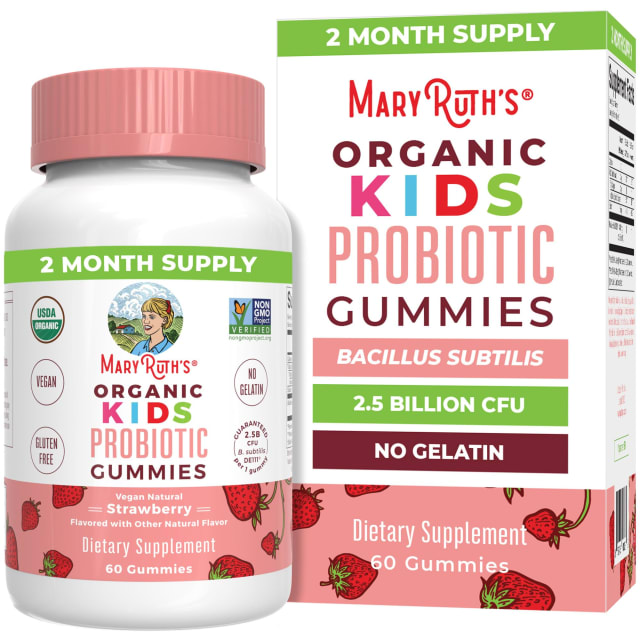
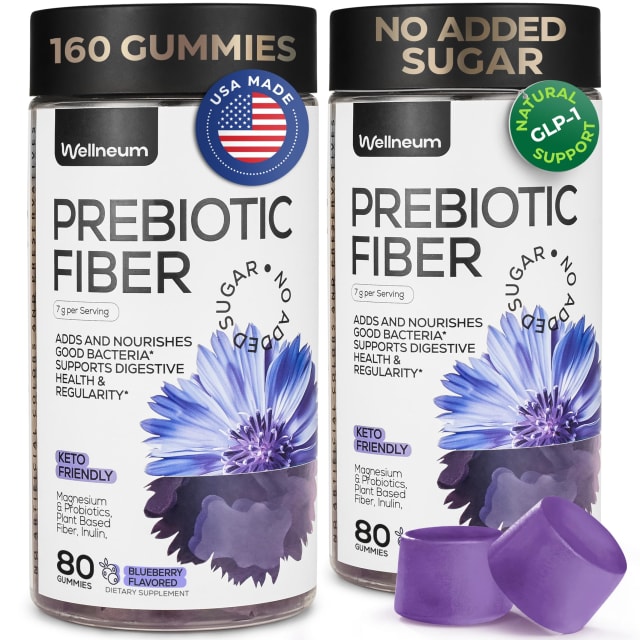
Probiotic Gummies for Kids: A Parent's Guide to Gut Health and Immune Support
In the bustling world of children's health supplements, probiotic gummies have emerged as a popular and palatable option for supporting a child's well-being. These chewy, often fruity supplements are designed to deliver beneficial bacteria to a child's digestive system, aiming to support everything from tummy troubles to immune function. For parents navigating this growing category, understanding what these gummies offer, how to choose a quality product, and how to integrate them safely is essential. This comprehensive guide delves into the science, benefits, and practical considerations of probiotic gummies for kids, providing the knowledge needed to make an informed decision.
What Are Probiotic Gummies for Kids?
Probiotic gummies are dietary supplements in a chewable, gummy format that contain live microorganisms, intended to confer a health benefit when consumed in adequate amounts. For children, they are specifically formulated with strains of bacteria that are well-researched for younger age groups and at appropriate colony-forming unit (CFU) counts. The gummy delivery system is particularly appealing because it bypasses the common challenge of getting a child to swallow a pill or tolerate a powder. Most are made with natural fruit flavors and colors, making them a treat-like addition to a daily routine.
The core purpose is to help populate the gut with "good" bacteria. A child's gut microbiome is a complex ecosystem that plays a crucial role in digestion, nutrient absorption, and a significant portion of immune system regulation. Factors like diet, antibiotics, illness, and stress can disrupt this delicate balance. Probiotic supplements aim to support and restore a healthy microbial environment.
Key Benefits: Why Consider Probiotic Gummies for Your Child?
The interest in pediatric probiotics is backed by a growing body of research. While not a cure-all, they can offer supportive benefits for several aspects of child health.
1. Supporting Digestive Balance and Bloating Relief
One of the most common reasons parents turn to probiotics is for digestive support. The beneficial bacteria can help regulate bowel movements, alleviate occasional constipation or diarrhea, and reduce uncomfortable gas and bloating. They do this by aiding in the breakdown of food and helping to maintain a balanced intestinal environment, which can be especially helpful during dietary transitions or periods of digestive upset.
2. Boosting Immune System Function
A remarkable 70-80% of the body's immune cells reside in the gut. A healthy, balanced gut microbiome acts as a first line of defense, helping to train the immune system and crowd out potentially harmful pathogens. Regular probiotic supplementation may contribute to a more robust immune response, potentially leading to fewer minor illnesses and a quicker recovery when a child does get sick.
3. Enhancing Nutrient Absorption
A well-functioning gut is key to extracting vitamins and minerals from food. Probiotic bacteria assist in the digestive process, helping to break down food into absorbable components. This can be particularly important for growing children who need optimal nutrition for development. Some strains are even involved in the synthesis of certain B vitamins and vitamin K.
4. Post-Antibiotic Recovery
Antibiotics are life-saving medicines, but they are non-discriminatory—they wipe out both bad and good bacteria. This can lead to antibiotic-associated diarrhea and a compromised gut flora. Giving a probiotic supplement during and after a course of antibiotics (spaced a few hours apart from the dose) can help replenish beneficial bacteria and support the gut's return to balance.
What to Look For: A Buyer's Evaluation Checklist
Not all probiotic gummies are created equal. When comparing options, several key factors separate high-quality, effective supplements from less reliable ones.
1. Strain Specificity and Diversity
The specific bacterial strains matter more than a generic "probiotic" label. Look for gummies that list the full genus, species, and strain (e.g., Lactobacillus rhamnosus GG or Bifidobacterium lactis BB-12). These are well-documented strains with clinical research supporting their use in children. A blend of multiple strains (e.g., from the Lactobacillus and Bifidobacterium families) can often provide broader support.
2. Colony Forming Units (CFU) Count
CFU indicates the number of viable, live bacteria in a dose. For children, an effective range is typically between 1 to 5 billion CFU per serving. More is not always better; the goal is an adequate amount of the right strains. High CFU counts (like 50 billion) are usually for adult-specific needs and are unnecessary for most children.
3. The Inclusion of Prebiotics
Prebiotics are non-digestible fibers (like inulin or fructooligosaccharides/FOS) that act as food for the probiotics. A product that includes prebiotics is often called a "synbiotic," as it supports the survival and colonization of the beneficial bacteria once they reach the gut.
4. Sugar Content and Ingredients
Since these are gummies, sugar is often used for taste and texture. The key is to find a product that minimizes added sugars, using natural sweeteners like organic cane sugar, tapioca syrup, or fruit juices instead of high-fructose corn syrup or artificial sweeteners. Always review the full ingredient list for potential allergens (like gelatin, which is animal-based, versus pectin, which is plant-based) and unnecessary artificial flavors or colors.
5. Third-Party Testing and Quality Assurance
Reputable brands invest in third-party testing to verify the product's purity, potency (that the CFU count is accurate at the time of expiration, not just manufacture), and the absence of contaminants like heavy metals or harmful microbes. Look for certifications or mentions of independent lab testing on the label or website.
6. Age Appropriateness and Dosage Clarity
Ensure the product is formulated for your child's age group. Dosage instructions should be clear—typically one gummy per day for children over a certain age (often 2 or 4). The packaging should have clear storage instructions, as many probiotics require refrigeration to maintain potency, though some shelf-stable options exist.
Comparison of Common Probiotic Strains for Kids
The following table outlines some of the most researched probiotic strains found in children's supplements and their associated benefits.
| Strain Name | Common Benefits for Children | Key Research Areas |
|---|---|---|
| Lactobacillus rhamnosus GG (LGG) | Reducing antibiotic-associated diarrhea, managing acute infectious diarrhea, supporting immune health. | One of the most extensively studied pediatric strains. |
| Bifidobacterium lactis BB-12 | Supporting regular digestive function, enhancing immune response, improving gut barrier function. | Widely used in infant and children's formulas and foods. |
| Lactobacillus acidophilus | General digestive support, aiding lactose digestion, contributing to a balanced gut flora. | A common and well-established probiotic species. |
| Bifidobacterium infantis | Particularly supportive for younger children, may help ease colic and irritability in infants. | Often targeted for its role in early-life microbiome development. |
| Saccharomyces boulardii | A beneficial yeast (not a bacteria) effective against various causes of diarrhea, including from antibiotics. | Known for its stability and unique action in the gut. |
Practical Advice: Dosing, Timing, and Administration
For probiotics to be effective, they need to be used correctly.
- Dosing: Always follow the manufacturer's recommended dose, which is almost always one gummy per day for children. Do not give a double dose to make up for a missed one.
- Timing: Consistency is key. Giving the gummy at the same time each day, often with a meal, helps establish a routine. The small amount of food can help buffer stomach acid, potentially improving the survival of bacteria as they pass to the intestines.
- Storage: This is critical. Always check the label. Many probiotic gummies require refrigeration to keep the bacteria alive and potent. Others are shelf-stable due to specific manufacturing processes. Improper storage will render the supplement ineffective.
- Duration: Probiotics are not a permanent medication. They can be used daily for ongoing support, or for a targeted period (like 2-4 weeks after an antibiotic course or during a season of frequent colds). It's often recommended to take occasional breaks, such as cycling 5 days on, 2 days off, to encourage the gut to maintain its own balance.
Important Considerations and Potential Side Effects
Probiotic gummies are generally considered safe for healthy children. However, a few considerations are important.
- Initial Adjustment: When first starting, some children may experience mild, temporary side effects like gas, bloating, or changes in bowel habits as their gut microbiome adjusts. This usually subsides within a few days to a week.
- Underlying Conditions: Children with compromised immune systems, serious underlying illnesses, or who are critically ill should only use probiotics under the direct supervision of a pediatrician.
- Sugar and Dental Health: As a gummy, it is a sugary supplement. It's best to give it with a meal and encourage brushing teeth afterward to prevent cavities.
- Not a Substitute for a Healthy Diet: Probiotic supplements are meant to complement, not replace, a nutrient-rich diet. Foods like yogurt, kefir, and fermented vegetables are excellent natural sources of probiotics and prebiotic fibers.
- Consult Your Pediatrician: It's always wise to discuss starting any new supplement with your child's doctor, especially if your child has chronic health issues or is on medication.
Frequently Asked Questions (FAQ)
Q: At what age can my child start taking probiotic gummies? A: Most probiotic gummies are formulated for children ages 2 or 4 and up, due to the gummy's texture being a choking hazard for younger toddlers. For infants and children under 2, probiotic drops or powders specifically designed for that age group are a safer option and should be discussed with a pediatrician.
Q: Can my child take probiotic gummies every day? A: Yes, daily use is common for ongoing gut and immune support. However, some experts suggest that cycling probiotics (e.g., taking them for 3 months, then taking a 1-month break) can be beneficial to encourage the gut's own resilience. Follow the product's instructions and your pediatrician's advice.
Q: Do probiotic gummies need to be refrigerated? A: It depends entirely on the product. Many high-quality probiotics require refrigeration to maintain the viability of the live cultures from production to consumption. Some use shelf-stable strains or specialized packaging. Always read and follow the storage instructions on the label you purchase. If it says "refrigerate," keep it cold.
Q: How long does it take to see results from probiotic gummies? A: This varies based on the child and the reason for use. For acute issues like diarrhea, some improvement might be seen within a few days. For broader benefits like immune support or overall digestive balance, it may take several weeks of consistent use to notice a difference.
Q: Are there any children who shouldn't take probiotics? A: Children with severely weakened immune systems (due to illness or medical treatment), those with central venous catheters, or who are critically ill should avoid probiotics unless explicitly recommended and monitored by their healthcare team. Always consult a doctor if you have specific concerns.
Q: What's the difference between probiotics and prebiotics? A: Probiotics are the live beneficial bacteria themselves. Prebiotics are specialized plant fibers that act as food to stimulate the growth of these good bacteria already in the colon. Many high-quality gummies include both, making them "synbiotic" formulas.
Making an Informed Choice
Choosing a probiotic gummy for a child is a decision that blends science with practicality. By prioritizing specific, well-researched strains, an appropriate CFU count, low sugar content, and verifiable quality testing, parents can select a product that offers genuine supportive benefits. Remember, these gummies are one tool in a broader toolkit for health, which includes a balanced diet, adequate sleep, physical activity, and regular pediatric care. Starting with a clear understanding of your child's needs and a careful evaluation of product labels will lead you to a supplement that can safely and effectively contribute to their digestive balance and overall well-being.
Affiliate Disclosure
Gummy.mom may earn a commission from purchases made through links on this page. This helps support our research and content creation. We only recommend products we genuinely believe in and have thoroughly researched.