The Complete Guide to Vitamin C Gummies Benefits: More Than Just a Tasty Treat
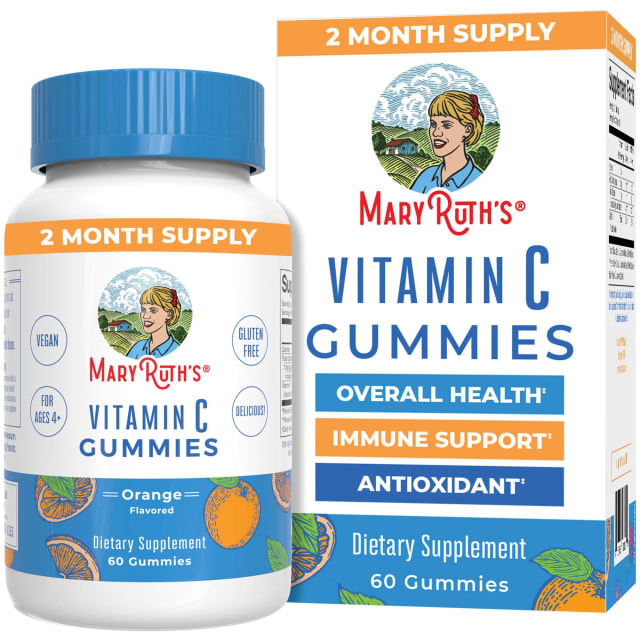
In the bustling world of dietary supplements, vitamin C gummies have carved out a sweet spot, transforming a fundamental nutrient into a delightful daily ritual. Moving beyond the traditional pill or powder, these chewable supplements offer a palatable and convenient way to meet your nutritional needs. But are they as effective as their more serious counterparts, and what exactly can you expect from adding them to your routine? This comprehensive guide delves deep into the science-backed benefits of vitamin C gummies, providing you with the knowledge to make an informed choice for your health.
Understanding Vitamin C: The Foundation
Before exploring the gummy format, it’s crucial to understand the nutrient at its core: ascorbic acid, commonly known as vitamin C. It is a water-soluble vitamin, meaning the body does not store it, and daily intake is necessary. Humans cannot synthesize vitamin C, making it an essential dietary component. It plays a pivotal role in numerous bodily functions, acting primarily as a potent antioxidant and a key cofactor for enzymatic reactions.
The shift to gummy vitamins represents a significant trend in consumer preference. For adults and children who have difficulty swallowing pills or simply desire a more enjoyable supplement experience, gummies provide an attractive alternative. Their popularity hinges on taste, texture, and convenience, but their efficacy depends entirely on the quality and formulation of the product.
The Core Benefits of Vitamin C Gummies
The benefits derived from vitamin C gummies are the same as those from any high-quality vitamin C source, provided they contain an effective dose of bioavailable ascorbic acid. Here are the key advantages, explained in detail.
1. Robust Immune System Support
This is perhaps the most well-known benefit of vitamin C. Its role in immune function is multi-faceted. Vitamin C supports various cellular functions of both the innate and adaptive immune systems. It helps stimulate the production and function of white blood cells like lymphocytes and phagocytes, which are essential for fighting infections. Furthermore, it enhances the skin’s barrier function against pathogens and acts as an antioxidant, protecting immune cells from oxidative damage caused during an inflammatory response. While not a magic bullet that prevents colds, consistent adequate intake can help reduce the duration and severity of symptoms.
2. Potent Antioxidant Protection
Oxidative stress, caused by an imbalance of free radicals and antioxidants in the body, is linked to chronic diseases and aging. Vitamin C is a powerful antioxidant that neutralizes these unstable molecules, donating electrons to stabilize them. By doing so, it helps protect proteins, lipids, carbohydrates, and DNA from damage. This systemic antioxidant effect supports overall cellular health and is foundational to reducing inflammation and supporting long-term wellness.
3. Skin Health and Collagen Production
Vitamin C is a superstar for skin health. Its role is two-fold. First, it is absolutely essential for the biosynthesis of collagen, the most abundant protein in the body and the main structural component of skin, tendons, ligaments, and blood vessels. Vitamin C acts as a cofactor for the enzymes that stabilize and cross-link collagen molecules. Without it, collagen synthesis is impaired. Second, its antioxidant properties help protect the skin from photodamage caused by UV exposure and environmental pollutants. By combating free radicals, it can help reduce signs of aging like wrinkles and promote a more even skin tone.
4. Enhanced Iron Absorption
Iron deficiency is one of the most common nutritional deficiencies globally. Vitamin C significantly enhances the absorption of non-heme iron—the type of iron found in plant-based foods like spinach, beans, and lentils. It converts iron into a form that is more easily absorbed in the intestines. For individuals following vegetarian or vegan diets, or those with borderline iron levels, taking a vitamin C gummy with a meal containing plant-based iron can be a highly effective strategy to improve iron status.
5. Additional Supporting Roles
Beyond these primary benefits, vitamin C contributes to other vital processes:
- Carnitine Synthesis: Important for energy production by transporting fatty acids into mitochondria.
- Neurotransmitter Synthesis: Essential for producing key neurotransmitters like norepinephrine.
- Wound Healing: Due to its critical role in forming connective tissue.
What to Look for in a Quality Vitamin C Gummy
Not all gummies are created equal. To ensure you’re getting an effective and clean product, consider these factors:
- Dosage: The Recommended Dietary Allowance (RDA) for adult men is 90 mg and for women is 75 mg. Many gummies offer between 250-500 mg per serving. While higher doses are common in supplements, the body’s ability to absorb vitamin C decreases with single large doses. A dose of 250-500 mg is generally sufficient for most supplemental purposes.
- Type of Vitamin C: Look for ascorbic acid or mineral ascorbates (like sodium ascorbate). Some gummies may include bioflavonoids (like citrus bioflavonoids or acerola cherry extract), which can enhance absorption and provide complementary antioxidants.
- Added Nutrients: Many formulas are combined with other supportive ingredients. Common and beneficial pairings include:
- Zinc: Another crucial mineral for immune function. The combination of vitamin C and zinc is a popular and synergistic duo for overall immune support.
- Elderberry: Rich in antioxidants and flavonoids, elderberry is often included for its own traditional immune-supporting properties.
- Vitamin D: Another key immune-supporting vitamin.
- Sugar Content: This is a critical consideration. Gummies require sweeteners for palatability. Opt for brands that use minimal added sugar, or are sweetened with fruit juices or alternative sweeteners like stevia or monk fruit. Always check the label.
- Artificial Additives: Avoid gummies with artificial colors, flavors, or preservatives. Choose those with natural color sources (like carrot or black carrot juice) and flavors.
- Third-Party Testing: A mark of a reputable brand is independent verification for purity, potency, and heavy metal testing. Look for certifications from organizations like USP, NSF, or ConsumerLab.com.
Comparison: Vitamin C Gummies vs. Other Forms
| Feature | Vitamin C Gummies | Capsules/Tablets | Powder/Liquid |
|---|---|---|---|
| Absorption | Good (if properly formulated) | Good | Excellent (often fastest) |
| Convenience | High, no water needed | Moderate, requires water | Low, requires mixing |
| Taste/Palatability | Excellent, flavorful | Neutral, sometimes chalky | Can be sour or tart |
| Dosing Flexibility | Low (pre-dosed) | Low (pre-dosed) | High (adjustable) |
| Sugar/Additives | Often contains some sweeteners | Minimal | Minimal (depends on brand) |
| Best For | Those who dislike pills, kids, taste-sensitive individuals | General adult use, high-dose needs | Those seeking high/custom doses, quick absorption |
Practical Advice: Dosing, Timing, and Safety
Dosing: For general health maintenance, a gummy providing 250-500 mg of vitamin C is typically adequate. It’s advisable not to exceed 2000 mg per day from all sources (food and supplements) unless under medical supervision, as this is the established Tolerable Upper Intake Level (UL).
Timing: Vitamin C is best taken with a meal. This can improve tolerance, especially for sensitive stomachs, and pairing it with food enhances the absorption of non-heme iron from that meal. Consistency is more important than timing—choose a time of day you’ll remember, such as with breakfast.
Considerations and Potential Side Effects: Vitamin C is generally safe and well-tolerated, especially at common supplemental doses. However, some considerations include:
- Gastrointestinal Distress: High doses (typically over 1000 mg at once) can cause diarrhea, nausea, or abdominal cramps.
- Sugar and Dental Health: Because they are chewy and contain sugar (even natural ones), it’s wise to consume gummies with a meal and maintain good dental hygiene.
- Kidney Stones: Those with a history of oxalate kidney stones should consult a doctor, as vitamin C can increase oxalate excretion in some individuals.
- Medication Interactions: Vitamin C can interact with certain medications, including some chemotherapy drugs, statins, and blood thinners like warfarin. A healthcare provider should always be consulted before starting any new supplement regimen.
- "Rebound Scurvy": This is a misnomer and not a concern for most. Abruptly stopping very high doses after prolonged use can theoretically lead to a relative deficiency, but this is rare and not associated with standard supplement doses.
Frequently Asked Questions (FAQ)
Q1: Are vitamin C gummies as effective as pills or capsules? Yes, if they contain a comparable dose of bioavailable vitamin C (like ascorbic acid) and are manufactured properly. The body ultimately absorbs the nutrient regardless of the delivery format, provided it is released from the gummy matrix. Quality and formulation are key.
Q2: Can I take vitamin C gummies every day? Yes, daily consumption is recommended as vitamin C is water-soluble and not stored in the body. Consistent daily intake helps maintain optimal levels. Always adhere to the suggested serving size on the product label.
Q3: What’s better: plain vitamin C or a blend with zinc and elderberry? It depends on your goals. Plain vitamin C is excellent for foundational antioxidant and collagen support. A blend with zinc and elderberry is specifically targeted toward enhanced immune support, as these ingredients work synergistically. Choose based on your primary health objective.
Q4: When is the best time to take a vitamin C gummy? Taking it with a meal is ideal. This can minimize any potential for stomach upset and, importantly, will enhance the absorption of iron from the plant-based foods in your meal.
Q5: Are there any people who shouldn’t take vitamin C gummies? Individuals with specific health conditions (like hemochromatosis, an iron overload disorder, or a history of kidney stones), those on certain medications, or people with allergies to any ingredients in the gummy should consult a healthcare professional before use. Pregnant or breastfeeding women should also seek medical advice.
Q6: How can I tell if a vitamin C gummy is high quality? Look for transparent labeling showing the form and amount of vitamin C (e.g., "250mg of ascorbic acid"), minimal added sugar, no artificial colors/flavors, and third-party testing seals for verification of purity and potency.
Making an Informed Choice
Vitamin C gummies offer a legitimate and enjoyable avenue to harness the powerful benefits of this essential nutrient—from bolstering the immune system and providing antioxidant protection to supporting glowing skin and healthy collagen production. By prioritizing quality, mindful dosing, and understanding both the benefits and considerations, you can effectively integrate this supplement into a balanced health regimen.
The key is to view them as a supplement to, not a replacement for, a nutrient-rich diet full of fruits and vegetables. When chosen wisely, a vitamin C gummy can be a simple, tasty, and effective step on your journey toward sustained well-being.
Affiliate Disclosure
Gummy.mom may earn a commission from purchases made through links on this page. This helps support our research and content creation. We only recommend products we genuinely believe in and have thoroughly researched.