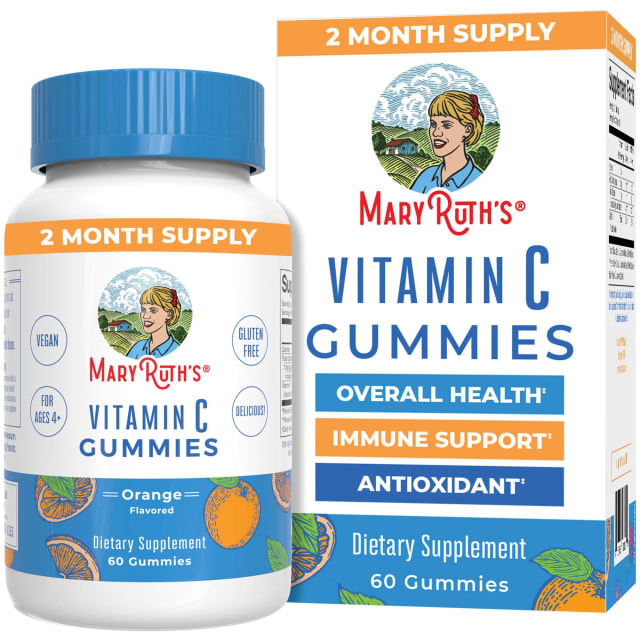
Vitamin C Gummies for Kids: A Complete Guide for Parents
Navigating the world of children’s supplements can feel overwhelming. Among the many options, vitamin C gummies stand out as a popular choice for parents seeking to support their child’s health. These chewable, often tasty supplements offer a convenient way to ensure kids get an essential nutrient that their bodies cannot produce on their own. This comprehensive guide delves into everything parents need to know about vitamin C gummies for kids, from their core benefits and key ingredients to practical advice on choosing a high-quality product.
Why Vitamin C is a Crucial Nutrient for Children
Vitamin C, also known as ascorbic acid, is a water-soluble vitamin that plays a fundamental role in a child’s growth and development. Unlike some animals, humans cannot synthesize vitamin C, making it an essential dietary component. For children, whose immune systems and bodies are constantly developing, maintaining adequate levels is particularly important.
The primary roles of vitamin C in a child’s body include:
- Immune System Function: It supports the production and function of various immune cells, helping the body defend against common illnesses.
- Collagen Synthesis: Vitamin C is a cofactor for enzymes involved in producing collagen, a protein vital for healthy skin, gums, blood vessels, bones, and cartilage.
- Antioxidant Activity: It neutralizes free radicals—unstable molecules that can cause cellular damage—providing antioxidant protection throughout the body.
- Iron Absorption: Vitamin C significantly enhances the absorption of non-heme iron (the type found in plant-based foods like beans and spinach), which is crucial for preventing iron-deficiency anemia.
- Wound Healing: Its role in collagen production makes it essential for the repair of tissues and healing of cuts and scrapes.
While a balanced diet rich in fruits and vegetables (like oranges, strawberries, bell peppers, and broccoli) is the ideal source, picky eaters or children with dietary restrictions may not get enough. This is where a carefully chosen supplement can be beneficial.
Key Benefits of Vitamin C Gummies for Kids
Understanding the specific benefits can help parents make an informed decision about incorporating a supplement into their child’s routine.
1. Immune Support
This is often the primary reason parents consider vitamin C. While it is not a magic shield against every cold, adequate vitamin C levels help maintain a robust and responsive immune system. It supports the barriers against pathogens and the activity of white blood cells. Some gummies combine vitamin C with other well-known immune-supporting nutrients like zinc or elderberry, creating a more comprehensive formula.
2. Antioxidant Protection
Children are exposed to environmental stressors, and their metabolisms run high. Vitamin C acts as a potent antioxidant, donating electrons to stabilize free radicals. This protective action helps safeguard cells from oxidative stress, supporting overall cellular health.
3. Skin Health and Collagen Production
For active kids who are always on the move, healthy skin is important. Vitamin C is indispensable for synthesizing collagen, the structural protein that keeps skin resilient and aids in healing minor cuts, scrapes, and bruises more quickly.
4. Enhanced Iron Absorption
This is a critical yet often overlooked benefit. Many children, especially those on vegetarian diets or who are selective with meat, may struggle with iron intake. Vitamin C can increase the absorption of plant-based iron by up to six times, making it a valuable partner in maintaining healthy iron levels and energy.
5. Convenience and Compliance
Let’s face it: getting a child to swallow a pill can be a challenge. Vitamin C gummies are palatable and easy to take, turning a potential daily battle into a simple, even enjoyable, habit. This greatly increases the likelihood of consistent use, which is key for any supplement to be effective.
What to Look for in a Quality Vitamin C Gummy
Not all gummies are created equal. When evaluating options, parents should consider the following criteria:
- Form of Vitamin C: Look for gummies that specify the type of ascorbic acid used. Some use a buffered form (like sodium ascorbate) which may be gentler on sensitive stomachs.
- Sugar Content: Gummies inherently contain sugar for taste and texture. The goal is to find a product with a reasonable amount. Opt for those sweetened with natural sources like organic cane sugar, tapioca syrup, or fruit juices, and avoid those with high-fructose corn syrup or artificial sweeteners. Some brands use sugar alcohols for lower sugar content, which can cause digestive upset in some children.
- Additional Ingredients: Many formulas are enhanced with other beneficial nutrients. Common and useful pairings include:
- Zinc: Directly supports immune function alongside vitamin C.
- Elderberry: A flavonoid-rich berry with its own tradition of use for immune health.
- Other Vitamins: Such as Vitamin D for bone health and immune synergy.
- Free from Unnecessary Additives: The best gummies avoid artificial colors, flavors, and preservatives. Look for clean labels.
- Third-Party Testing: This is a hallmark of quality and safety. Supplements that are tested by an independent lab (like USP, NSF, or ConsumerLab) verify that the product contains what it claims on the label and is free from contaminants like heavy metals.
- Age-Appropriate Dosage: Dosage is based on the Recommended Dietary Allowance (RDA) and Tolerable Upper Intake Level (UL). Always choose a product formulated for your child’s specific age group.
- RDA for Vitamin C:
- Ages 1-3: 15 mg
- Ages 4-8: 25 mg
- Ages 9-13: 45 mg
- Ages 14-18: 65-75 mg (gender-dependent)
- UL for Vitamin C: 400 mg for ages 1-3, 650 mg for ages 4-8, 1200 mg for ages 9-13, and 1800 mg for ages 14-18.
- RDA for Vitamin C:
Comparison of Common Vitamin C Gummy Formulations
The table below outlines typical profiles of different gummy types to help in comparison.
| Feature | Basic Vitamin C Gummy | Vitamin C + Zinc Gummy | Vitamin C + Elderberry Gummy | Broad-Spectrum Immune Gummy |
|---|---|---|---|---|
| Primary Focus | General vitamin C supplementation & antioxidant support | Enhanced immune system support & cellular function | Antioxidant & immune support with herbal tradition | Comprehensive immune defense with multiple nutrients |
| Key Ingredients | Vitamin C (ascorbic acid) | Vitamin C, Zinc | Vitamin C, Elderberry Extract | Vitamin C, Zinc, Vitamin D, Elderberry, sometimes Echinacea |
| Best For | Picky eaters needing a baseline of vitamin C | Children frequently exposed to germs (school, daycare) | Parents seeking a plant-based immune boost | Parents wanting an all-in-one immune product during cold season |
| Considerations | Check sugar content; ensure dosage is age-appropriate. | Zinc can cause nausea on an empty stomach; follow dosing instructions. | Ensure elderberry content is standardized. | More ingredients mean higher potential for allergens or sensitivities. |
Practical Advice: Dosing, Timing, and Safety
Dosing: Always follow the dosage on the product label, which should align with the RDA. More is not better. A single gummy often provides 100-250% of the Daily Value, which is safe and accounts for bioavailability but should not be exceeded without consulting a pediatrician. The goal is to supplement the diet, not replace it.
Timing: Vitamin C is water-soluble and can be taken with or without food. However, giving it with a meal can minimize any potential for stomach upset. Consistency is more important than the specific time of day. Many families incorporate it into a morning or evening routine.
Safety and Side Effects: Vitamin C is generally very safe. Potential side effects are rare at recommended doses but can include:
- Digestive Upset: High doses (far above the RDA) can cause diarrhea, nausea, or abdominal cramps.
- Allergic Reactions: Though uncommon, watch for any signs of an allergy to ingredients in the gummy.
- Dental Health: Because they are chewy and contain sugar, it’s best to have children take gummies with a meal and encourage good dental hygiene afterward.
- Drug Interactions: Vitamin C can interact with certain medications, such as some chemotherapy drugs and statins. Always inform your child’s healthcare provider about any supplements they are taking.
Critical Rule: Treat all supplements like medicine. Store them out of reach of children in a locked cabinet. The appealing candy-like form can lead to overconsumption, which poses a risk of vitamin overdose or digestive distress.
How to Evaluate and Choose the Best Product
- Identify the Need: Is the goal general nutrition, specific immune support, or enhanced iron absorption? This will guide you toward a basic or blended formula.
- Read the Label Meticulously: Check the amount of vitamin C per serving, the type of sweeteners, and the full list of inactive ingredients. Look for a short, recognizable ingredient list.
- Prioritize Third-Party Certification: A seal from a testing organization is the strongest indicator of purity, potency, and quality.
- Consider Dietary Restrictions: Many gummies are gelatin-based (from animals). Look for pectin-based gummies if vegetarian/vegan. Also check for common allergens like gluten, soy, or nuts.
- Consult Your Pediatrician: This is the most important step. A healthcare provider can assess your child’s individual needs, discuss potential interactions, and recommend a specific dosage.
Frequently Asked Questions (FAQ)
Q: At what age can my child start taking vitamin C gummies? A: Most vitamin C gummies are formulated for children ages 2 and up, as they require chewing. For infants and toddlers under 2, liquid vitamin C drops are typically recommended. Always consult with a pediatrician before starting any supplement for a young child.
Q: Can my child get too much vitamin C from gummies? A: Yes, it is possible, primarily through overconsumption (eating multiple gummies like candy). Staying within the recommended dose on the label is crucial. The Tolerable Upper Intake Level (UL) for children is significantly higher than the RDA, but excessive intake can lead to digestive issues like diarrhea and stomach cramps.
Q: Are vitamin C gummies bad for my child's teeth? A: They can pose a risk if not managed properly due to their sugar content and sticky texture. To protect dental health, give gummies with meals rather than as a standalone snack, have your child drink water afterward, and maintain a consistent routine of brushing twice daily.
Q: What's the difference between vitamin C with rose hips and regular ascorbic acid? A: Rose hips are the fruit of the rose plant and are a natural source of vitamin C and other flavonoids. Some brands use a blend of ascorbic acid and rose hip extract, positing that the bioflavonoids may enhance the absorption or antioxidant effect of the vitamin C. Both ascorbic acid and rose hip-derived vitamin C are effective.
Q: Is it better to choose a gummy with added zinc or elderberry? A: It depends on your goal. Zinc is a direct cofactor for immune cell function and can provide more robust year-round immune support. Elderberry is prized for its high antioxidant content and is often used during cold and flu season. A combination of all three (Vitamin C, Zinc, and Elderberry) is also common. Consider your child's specific needs and any advice from their doctor.
Q: My child is a picky eater. Will a gummy be enough? A: A gummy can help fill a nutritional gap for key nutrients like vitamin C, but it should not be a substitute for a varied diet. Supplements do not provide the fiber, phytonutrients, and full spectrum of vitamins found in whole fruits and vegetables. Continue to offer a variety of healthy foods, even if acceptance is slow.
Final Considerations for Parents
Vitamin C gummies for kids can be a practical tool in a parent’s wellness toolkit, particularly for supporting immune function, enhancing iron absorption, and providing antioxidant protection. The key to their benefit lies in intentional and informed use: selecting a high-quality product based on transparent labeling and third-party testing, adhering strictly to recommended dosages, and storing them safely.
The foundation of a child’s health will always be a balanced diet, adequate sleep, regular physical activity, and good hygiene. A supplement like a vitamin C gummy is precisely that—a supplement to these core pillars. By taking a careful and educated approach, parents can confidently make a choice that supports their child’s overall well-being and development.
Affiliate Disclosure
Gummy.mom may earn a commission from purchases made through links on this page. This helps support our research and content creation. We only recommend products we genuinely believe in and have thoroughly researched.