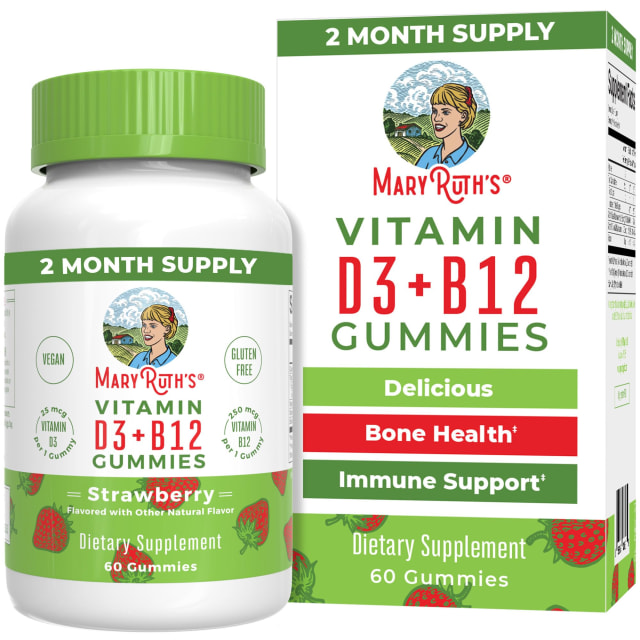
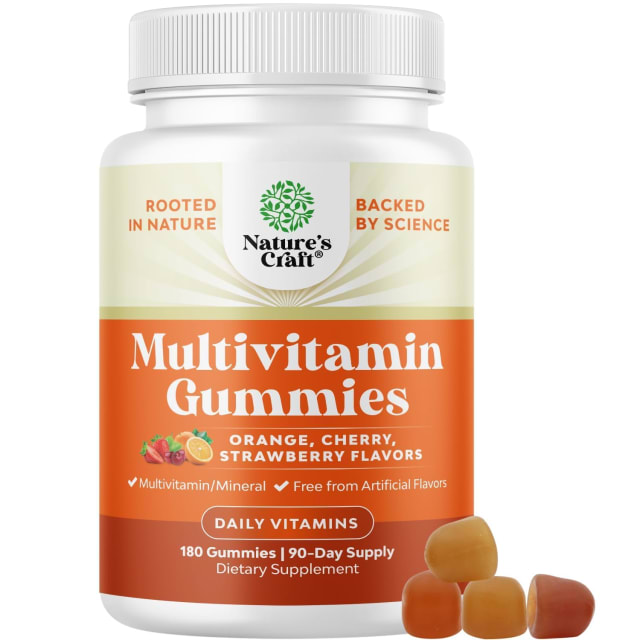
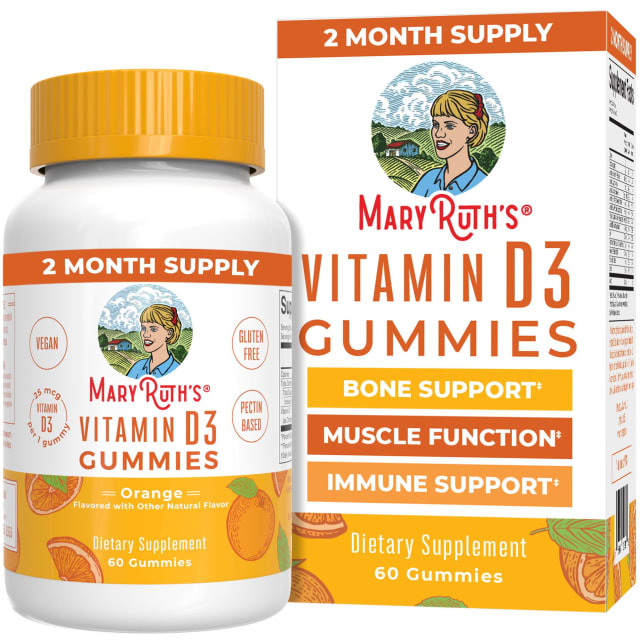
High Potency Vitamin D Gummies: A Comprehensive Review and Buyer's Guide
For many, achieving optimal vitamin D levels can feel like a constant challenge. Limited sun exposure, geographic location, and modern lifestyles have made the "sunshine vitamin" a common deficiency. While traditional pills and drops have their place, high potency vitamin D gummies have surged in popularity, offering a palatable and convenient solution. This comprehensive guide delves into everything one needs to know about these supplements, from their science-backed benefits to practical advice on selecting the right product.
Understanding Vitamin D: More Than Just Sunshine
Vitamin D is a fat-soluble vitamin that functions more like a hormone in the body. Its most well-known role is in regulating calcium and phosphorus absorption, which is fundamental for building and maintaining strong bones. However, research over the past few decades has revealed its influence extends far beyond skeletal health, touching nearly every system in the body.
There are two primary forms: D2 (ergocalciferol) and D3 (cholecalciferol). Vitamin D3 is the form naturally produced by the skin in response to sunlight and is also found in animal-based foods. It is generally considered more effective at raising and maintaining overall vitamin D levels in the bloodstream compared to D2. Most high-quality gummy supplements utilize vitamin D3 for this reason.
The term "high potency" typically refers to supplements offering 1,000 IU (International Units) or more per serving. For individuals with a diagnosed deficiency, those with limited sun exposure, older adults, or people with darker skin tones, these higher doses can be crucial for restoring and maintaining adequate serum levels, as guided by a healthcare professional.
Key Benefits of High Potency Vitamin D Gummies
The shift towards gummy formulations doesn't diminish the profound health benefits associated with vitamin D. Here’s a closer look at what makes this nutrient essential.
Bone Health and Calcium Absorption
This is vitamin D's classic, non-negotiable role. Without sufficient vitamin D, the body cannot absorb calcium efficiently from the diet, regardless of calcium intake. This can lead to brittle, thin, or misshapen bones. In children, a severe deficiency causes rickets. In adults, it contributes to osteomalacia (soft bones) and osteoporosis. High potency D3 gummies directly support the body's ability to utilize calcium, forming the bedrock of skeletal integrity.
Immune System Support
Vitamin D is a powerful modulator of the immune system. It enhances the pathogen-fighting effects of monocytes and macrophages—white blood cells critical to the body's defense—and decreases inflammation. Adequate levels are associated with a lower risk of infections and may play a role in regulating autoimmune responses. Maintaining robust vitamin D levels is considered a key component of supporting overall immune resilience.
Mood and Cognitive Support
Emerging research points to a significant link between vitamin D status and mental well-being. The brain contains receptors for vitamin D, and the nutrient is involved in the synthesis of neurotransmitters like serotonin, which influences mood. Seasonal Affective Disorder (SAD) has been strongly correlated with lower sunlight (and thus vitamin D) levels. Supplementing with high potency vitamin D may help support a balanced mood and cognitive function, particularly during darker months.
Energy and Muscle Function
Persistent, unexplained fatigue can sometimes be linked to low vitamin D levels. The vitamin is involved in mitochondrial function—the energy powerhouses of our cells. Furthermore, vitamin D receptors are present in muscle tissue. Adequate levels are necessary for muscle strength, function, and recovery, helping to reduce feelings of weakness and tiredness.
Additional Potential Benefits
Ongoing research continues to explore vitamin D's role in cardiovascular health, metabolic processes, and cellular health. While more studies are needed to establish definitive cause-and-effect relationships, maintaining sufficient levels is widely recognized as a pillar of preventative health.
Why Choose a Gummy Format?
The rise of gummy vitamins is no mere trend; it addresses several practical challenges associated with supplementation.
- Palatability and Compliance: The pleasant taste and chewable form make it easier for individuals who have difficulty swallowing pills to stick with a daily regimen. This is especially beneficial for long-term supplementation.
- Convenience: They are portable, require no water for swallowing, and are often perceived as a treat rather than a chore.
- Gentle on the Stomach: For some, traditional vitamin D pills can cause mild gastric discomfort. Gummies are typically easier to digest.
However, it's important to note that gummies often contain added sugars, colors, or gelatin. The search for a high-quality product involves balancing these conveniences with a clean ingredient profile.
What to Look for in a High Potency Vitamin D Gummy
Not all gummies are created equal. When evaluating options, several key criteria should guide the decision.
1. Type and Potency of Vitamin D
Look for gummies that specifically contain Vitamin D3 (cholecalciferol). The potency should be clearly labeled, typically ranging from 1,000 IU to 5,000 IU per gummy. The appropriate dose is highly individual and should be based on factors like current blood levels, age, sun exposure, and overall health. Consulting with a healthcare provider for a simple blood test is the best way to determine personal needs.
2. Ingredient Quality and Purity
- Third-Party Testing: This is the gold standard. Look for products tested by independent labs (like USP, NSF, or ConsumerLab) for potency accuracy, purity, and the absence of heavy metals or contaminants.
- Sugar Content: Since gummies require sweeteners, examine the type and amount. Options sweetened with organic cane sugar, tapioca syrup, or natural fruit juices are preferable to those with high-fructose corn syrup or artificial sweeteners. Sugar alcohols like xylitol may be used but can cause digestive upset in some people.
- Additional Ingredients: Some gummies include complementary nutrients like vitamin K2 (which helps direct calcium to bones) or calcium itself. Others may contain unnecessary artificial flavors, colors, or preservatives. A shorter, recognizable ingredient list is often a marker of a cleaner product.
3. Brand Reputation and Transparency
Reputable brands are transparent about their sourcing, manufacturing processes (look for cGMP certification), and provide easy access to Certificates of Analysis (CoAs) for their products. Customer reviews and a company's history in the wellness space can also be informative.
4. Dietary Compatibility
Check the label for common allergens like gelatin (not vegetarian/vegan), gluten, soy, or dairy. Many brands now offer pectin-based gummies suitable for vegetarian and vegan diets.
5. Value and Serving Size
Consider the cost per serving and the number of servings per bottle. A slightly more expensive bottle that contains a two-month supply may offer better long-term value than a cheaper one-month supply.
Comparison of Common High Potency Vitamin D Gummy Features
| Feature | What to Look For | Why It Matters |
|---|---|---|
| Vitamin D Form | Vitamin D3 (Cholecalciferol) | More effective at raising and maintaining blood levels than D2. |
| Potency Range | 1,000 IU to 5,000 IU per gummy | Allows for dosing flexibility based on individual needs and deficiency levels. |
| Third-Party Testing | Yes, by labs like USP, NSF | Verifies label accuracy, ensures purity, and confirms the absence of contaminants. |
| Sweetener Source | Organic cane sugar, tapioca syrup, fruit juices | Preferable to artificial sweeteners or high-fructose corn syrup for a cleaner profile. |
| Gelling Agent | Pectin (vegan) or Gelatin | Pectin is plant-based and suitable for vegetarians/vegans. |
| Additional Nutrients | Vitamin K2, Calcium | K2 can synergistically support bone health by directing calcium. |
| Common Allergens | Free from unnecessary allergens like gluten, soy, dairy | Important for individuals with sensitivities or dietary restrictions. |
Practical Advice: Dosing, Timing, and Safety
Determining Your Dose
"High potency" is not a one-size-fits-all solution. The Recommended Dietary Allowance (RDA) for most adults is 600-800 IU, but this is a guideline for maintaining basic health, not for correcting a deficiency.
- For Maintenance: Individuals with confirmed sufficient levels may use a 1,000-2,000 IU gummy for maintenance, especially in winter.
- For Deficiency Correction: Those with a diagnosed deficiency may require doses of 5,000 IU or more daily, as prescribed by a doctor, for a period of time. The safest approach is to have a healthcare provider test your 25-hydroxyvitamin D blood level and recommend a personalized dosage.
Best Time to Take Vitamin D Gummies
Since vitamin D is fat-soluble, taking it with a meal containing healthy fats (like avocado, nuts, or olive oil) can enhance absorption. Consistency is more important than timing, so choose a time that fits seamlessly into a daily routine, such as with breakfast or the largest meal.
Potential Side Effects and Considerations
Vitamin D is generally very safe when taken at appropriate doses. Side effects are rare and typically only occur with extremely high, long-term intake (megadosing far beyond recommended levels), which can lead to toxicity (hypervitaminosis D).
- Symptoms of Excess: Can include nausea, vomiting, poor appetite, constipation, weakness, weight loss, confusion, and kidney stones due to elevated calcium levels in the blood.
- Drug Interactions: Vitamin D can interact with certain medications, including steroids, weight-loss drugs (like Orlistat), and some cholesterol-lowering and seizure medications. A pharmacist or doctor should be consulted.
- Underlying Conditions: Individuals with hyperparathyroidism, kidney disease, or sarcoidosis should only supplement under strict medical supervision.
Frequently Asked Questions (FAQ)
Q: Can I get enough vitamin D from sunlight and food alone? A: It depends heavily on location, skin tone, season, and diet. Few foods naturally contain significant vitamin D (fatty fish, egg yolks, liver). Fortified foods like milk and cereal help but often don't provide enough. People living north of the 37th parallel, those who are homebound, use sunscreen diligently, or have darker skin often cannot synthesize enough from the sun year-round, making supplementation necessary.
Q: Are high potency vitamin D gummies safe for children? A: High potency gummies (e.g., 1,000 IU+) are formulated for adults. Children have much lower vitamin D requirements. It is crucial to use a pediatric-specific supplement with an appropriate dose for a child's age and weight, as directed by their pediatrician. Adult high-potency gummies should be kept out of children's reach to prevent accidental overdose.
Q: How long does it take to feel the effects of taking vitamin D gummies? A: This varies. If a person is severely deficient, they may notice improvements in energy or mood within a few weeks of starting an appropriate high-potency regimen. For bone health and immune function, the benefits are cumulative and long-term. It can take several months of consistent supplementation to significantly raise and stabilize blood levels.
Q: Do I need to take vitamin K2 with my vitamin D gummy? A: It is not strictly necessary, but it can be beneficial, especially at higher doses. Vitamin D enhances calcium absorption, while vitamin K2 helps direct that calcium into bones and teeth and away from soft tissues like arteries. Some high-quality gummies include K2 (often as MK-7) for this synergistic effect.
Q: Can vegetarians and vegans take vitamin D3 gummies? A: Traditional vitamin D3 is derived from lanolin (sheep's wool), making it vegetarian but not vegan. However, vegan D3 sourced from lichen is now widely available. Vegans must specifically look for gummies that state "vegan D3 from lichen" and use pectin instead of gelatin.
Q: How should I store my vitamin D gummies? A: Store them in a cool, dry place, away from direct sunlight and moisture (not in the bathroom). Ensure the cap is sealed tightly after each use to prevent the gummies from drying out or becoming sticky. Follow any specific storage instructions on the label.
Making an Informed Choice
Selecting the right high potency vitamin D gummy is an investment in long-term health. By prioritizing the form (D3), verifying potency and purity through third-party testing, scrutinizing the ingredient list, and aligning the product with personal dietary needs, consumers can find an effective and enjoyable supplement. Most importantly, this process should be informed by professional medical advice. A simple blood test is the only way to move from guesswork to a targeted, effective supplementation strategy that truly supports bone health, immune function, mood, and overall vitality.
Affiliate Disclosure
Gummy.mom may earn a commission from purchases made through links on this page. This helps support our research and content creation. We only recommend products we genuinely believe in and have thoroughly researched.