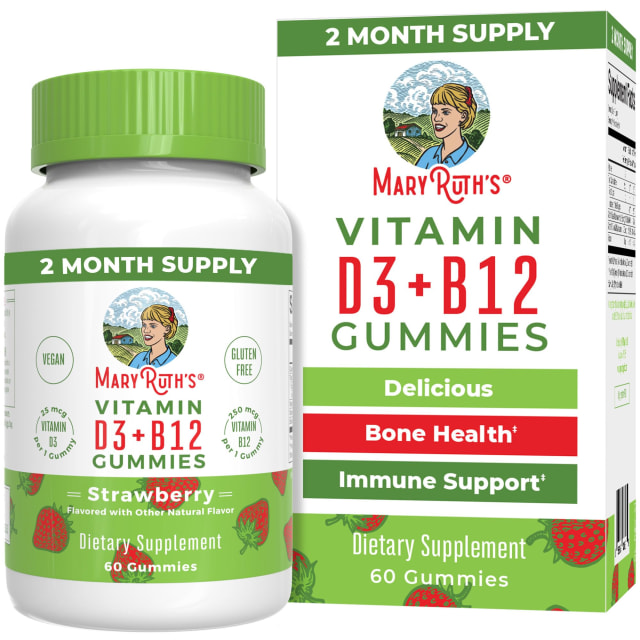
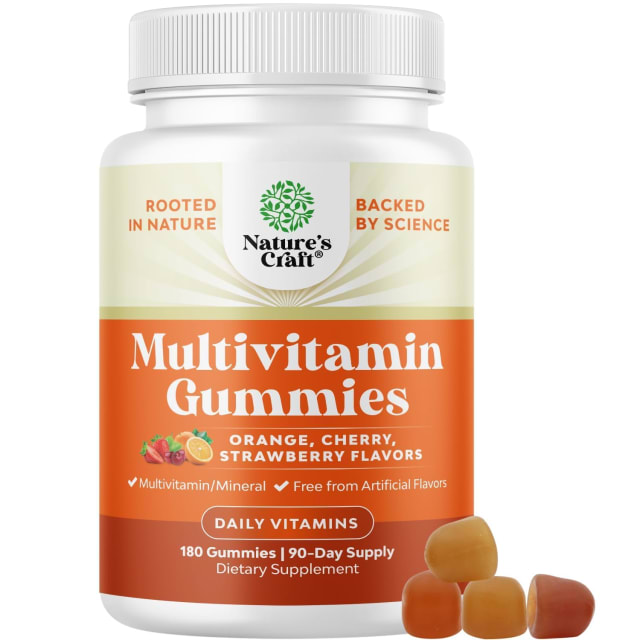
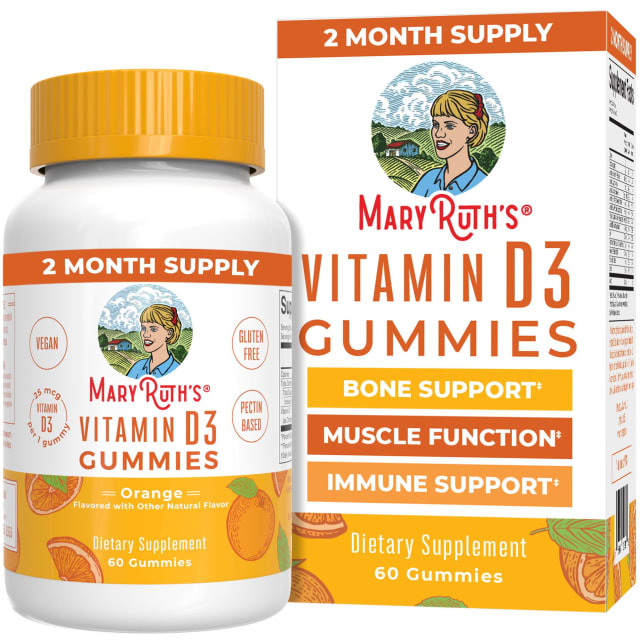
Vitamin D Deficiency Gummies: A Comprehensive Guide to the Sunshine Vitamin in Chewable Form
For many, maintaining optimal vitamin D levels is a constant challenge. Often called the "sunshine vitamin," vitamin D is unique because our bodies can produce it when skin is exposed to sunlight. Yet, modern lifestyles, geographic location, seasonal changes, and sun protection practices have made vitamin D deficiency a widespread global concern. In the quest for a convenient and palatable solution, vitamin d deficiency gummies have surged in popularity. This comprehensive guide explores everything you need to know about these chewable supplements, from their science-backed benefits to how to choose the right one for your health.
Understanding Vitamin D Deficiency: The Silent Epidemic
Vitamin D is not merely a vitamin; it functions as a prohormone, influencing numerous bodily systems. Deficiency is often dubbed a "silent" condition because symptoms can be subtle or mistaken for other issues. Common signs include persistent fatigue, bone and back pain, low mood, frequent illness, and impaired wound healing.
Several factors contribute to the risk of deficiency:
- Limited Sun Exposure: Working indoors, living in northern latitudes, and conscientious use of sunscreen.
- Skin Pigmentation: Higher melanin levels reduce the skin's ability to produce vitamin D from sunlight.
- Age: The skin's production efficiency decreases with age.
- Dietary Intake: Few foods naturally contain significant amounts of vitamin D.
- Health Conditions: Certain gastrointestinal disorders (like Crohn's or celiac disease) can impair absorption.
This prevalence of deficiency has driven the search for effective and enjoyable supplementation methods, leading many to the world of gummies.
The Science of Vitamin D: D2 vs. D3
When discussing supplements, it's crucial to understand the two main forms:
- Vitamin D2 (Ergocalciferol): Derived from plant sources and fungi.
- Vitamin D3 (Cholecalciferol): The form synthesized by human skin when exposed to sunlight and found in animal-based foods.
Research consistently indicates that vitamin D3 is more effective at raising and maintaining overall vitamin D levels in the bloodstream. Most high-quality vitamin D gummies for deficiency will use D3, often sourced from lanolin (sheep's wool) or, in vegan options, from lichen.
Key Benefits of Addressing Deficiency with Vitamin D Gummies
Choosing a gummy format to correct a deficiency offers the same core benefits as other forms of vitamin D, with the added advantage of ease and consistency. The primary health benefits are well-supported by scientific literature.
1. Foundational Bone Health and Calcium Absorption
This is vitamin D's most classic role. Without sufficient vitamin D, the body cannot absorb calcium efficiently from the diet, no matter how much calcium is consumed. Vitamin D promotes calcium absorption in the gut and helps regulate calcium and phosphate levels, which are essential for normal bone mineralization. This process is vital for maintaining strong, healthy bones and preventing conditions like osteoporosis and rickets.
2. Robust Immune System Support
Vitamin D modulates both the innate and adaptive immune systems. Immune cells, such as T-cells and macrophages, have receptors for vitamin D. Adequate levels help the immune system function appropriately, potentially reducing the risk of infections and modulating inflammatory responses. This has been a significant area of research, particularly concerning respiratory health.
3. Mood Regulation and Mental Well-being
The brain contains vitamin D receptors, and the vitamin is involved in pathways that regulate mood. Low levels of vitamin D have been frequently associated with low mood and seasonal affective disorder (SAD). While not a standalone treatment for depression, correcting a deficiency can be an important part of a holistic approach to mental wellness.
4. Enhanced Energy and Reduction of Fatigue
Unexplained, persistent fatigue can sometimes be linked to low vitamin D levels. By supporting mitochondrial function within cells—the powerhouses that generate energy—adequate vitamin D can help combat feelings of tiredness and promote overall vitality.
5. Support for Muscle Function
Vitamin D receptors are also present in muscle tissue. Sufficient levels are necessary for muscle strength, function, and recovery. Deficiency can lead to muscle weakness, aches, and an increased risk of falls, especially in older adults.
Why Choose Gummies to Combat Deficiency?
While capsules, tablets, and liquid drops are effective, gummies offer distinct advantages that can improve adherence, which is critical for correcting a deficiency.
- Palatability: The pleasant taste and chewable texture make them easy to take daily, especially for those who dislike swallowing pills.
- Convenience: They require no water and are easy to take on the go.
- Consistency: Because they are enjoyable, people are more likely to take them consistently, which is paramount for building up and maintaining vitamin D levels.
- Discretion: They can be taken anywhere, anytime, without drawing attention.
What to Look for in Quality Vitamin D Deficiency Gummies
Not all gummies are created equal. When selecting a product to address a deficiency, several factors should be carefully evaluated.
Critical Ingredient Profile
- Form of Vitamin D: Opt for Vitamin D3 (cholecalciferol) for superior efficacy in raising serum levels.
- Dosage: Gummies typically range from 1000 IU to 5000 IU per serving. The appropriate dose depends on the severity of the deficiency, which should ideally be determined by a healthcare provider via a blood test. Maintenance doses for general health often range from 600-2000 IU daily.
- Supporting Nutrients: Some gummies include complementary nutrients like Vitamin K2 (MK-7). K2 helps direct calcium into bones and teeth and away from soft tissues like arteries, working synergistically with Vitamin D for optimal bone and cardiovascular health.
- Purity & Additives: Examine the ingredient list for unnecessary fillers, artificial colors, or high fructose corn syrup. Look for gummies sweetened with natural sources like organic cane sugar, tapioca syrup, or fruit juices.
Quality and Transparency
- Third-Party Testing: Reputable brands have their products tested by independent labs for potency (to ensure the label matches the contents) and for contaminants like heavy metals, pesticides, and microbes.
- Certifications: Look for certifications like NSF International, USP (United States Pharmacopeia), or Informed-Choice, which verify quality and safety standards.
- Allergen Information: Check for common allergens like gelatin (often bovine or porcine, making them non-vegan), gluten, soy, or nuts. Pectin-based gummies are a common vegan alternative.
Dosing, Timing, and Best Practices
Dosing: There is no one-size-fits-all dose for correcting a deficiency. A healthcare professional can recommend a specific dose based on your baseline blood level. Once an optimal level is achieved, a lower maintenance dose is used.
Timing: Vitamin D is a fat-soluble vitamin. Taking gummies with a meal containing healthy fats (like avocado, nuts, or olive oil) can significantly enhance absorption. While timing during the day is not critical, taking them consistently at the same time (e.g., with breakfast or dinner) can help establish a routine.
Duration: Correcting a deficiency is not instantaneous. It often takes several weeks to months of consistent supplementation to see significant changes in blood levels. Regular follow-up testing is recommended.
Potential Considerations and Side Effects
When taken as directed, vitamin D gummies are generally safe and well-tolerated. However, considerations exist.
- Overconsumption Risk: Because of their candy-like appearance, it is essential to keep gummies out of reach of children to prevent accidental overdose. For adults, sticking to the recommended dose is crucial, as excessive, long-term intake can lead to vitamin D toxicity (hypervitaminosis D), causing a buildup of calcium in the blood (hypercalcemia). Symptoms may include nausea, vomiting, weakness, frequent urination, and kidney problems.
- Sugar Content: Most gummies contain some sugar for taste and texture. While the amount per serving is usually small (1-4 grams), it should be factored into one's daily intake, especially for those monitoring sugar consumption. Sugar-free options using sweeteners like stevia or monk fruit are available.
- Interactions: Vitamin D can interact with certain medications, including steroids, weight-loss drugs (like orlistat), and certain cholesterol-lowering and seizure medications. A pharmacist or doctor should be consulted.
- Underlying Conditions: Individuals with certain health conditions, such as hyperparathyroidism, sarcoidosis, or kidney disease, need medical guidance before supplementing.
Gummies vs. Other Forms of Vitamin D
The following table provides a quick comparison of different vitamin D supplement formats.
| Feature | Vitamin D Gummies | Softgels/Capsules | Liquid Drops | Tablets |
|---|---|---|---|---|
| Ease of Use | Very High; no swallowing needed | Moderate; requires swallowing | High; dropper can be precise | Moderate; requires swallowing |
| Absorption | Good (with food/fat) | Typically Excellent (often oil-based) | Excellent (often oil-based) | Varies (depends on formulation) |
| Taste/Palatability | Excellent, flavorful | Neutral | Can have an oily taste | Neutral |
| Dosing Flexibility | Low (pre-dosed per gummy) | Low (pre-dosed) | Very High (adjustable by drop) | Low (pre-dosed) |
| Best For | Those who dislike pills, need consistency | General use, high-potency needs | Infants, children, precise dosing | General use |
| Key Consideration | Sugar content, keep away from children | Potential for fishy burps (if oil-based) | Accuracy in dosing | May contain more binders/fillers |
Frequently Asked Questions (FAQ)
Q1: Can vitamin D gummies effectively correct a deficiency? Yes, vitamin D gummies can be just as effective as other oral forms if they contain a bioavailable form (like D3) in an appropriate dose and are taken consistently with a source of dietary fat to aid absorption. The key is the quality of the product and the dosage, not the delivery format.
Q2: How long does it take to fix a vitamin D deficiency with gummies? The timeline varies based on the severity of the deficiency, the dosage taken, and individual factors like body weight and absorption. It typically takes several weeks to a few months of consistent daily supplementation to see a significant rise in blood levels. Follow-up blood tests are the only way to accurately gauge progress.
Q3: Are there vegan vitamin D3 gummies? Yes. Traditional vitamin D3 is sourced from lanolin (from sheep's wool). However, vegan D3 sourced from lichen (a type of algae/fungus symbiosis) is now widely available. These gummies also use pectin instead of gelatin for a plant-based chew.
Q4: What is the ideal time of day to take a vitamin D gummy? There is no biologically ideal time. The most important factor is to take it with a meal that contains fat to maximize absorption. Choosing a consistent time, such as with your largest meal (often breakfast or dinner), can help build a reliable habit.
Q5: Can I take too many vitamin D gummies? Yes. Vitamin D is fat-soluble, meaning excess amounts are stored in the body and not simply excreted in urine. Chronic excessive intake can lead to toxicity (hypervitaminosis D), resulting in hypercalcemia. It is imperative to follow the recommended dosage on the label or your doctor's advice and to store gummies safely away from children.
Q6: Do I need to take vitamin K2 with my vitamin D gummy? While not strictly necessary, it is a highly beneficial combination, especially for bone and heart health. Vitamin D enhances calcium absorption, and vitamin K2 (specifically the MK-7 form) acts as a director, ensuring that calcium is deposited into bones and not soft tissues. Some premium gummies include both nutrients for this synergistic effect.
Making an Informed Choice
Vitamin D deficiency gummies represent a powerful tool for making supplementation consistent and manageable. By prioritizing a high-quality product that uses vitamin D3, has transparent third-party testing, and fits your dietary preferences, you can effectively support your bone health, immune function, and overall well-being.
The journey to optimal vitamin D levels begins with awareness and is sustained by consistent, informed action. Consulting with a healthcare provider for a simple blood test is the best first step to determine your personal needs, ensuring your supplementation strategy—whether it includes gummies or another form—is tailored, effective, and safe.
Affiliate Disclosure
Gummy.mom may earn a commission from purchases made through links on this page. This helps support our research and content creation. We only recommend products we genuinely believe in and have thoroughly researched.