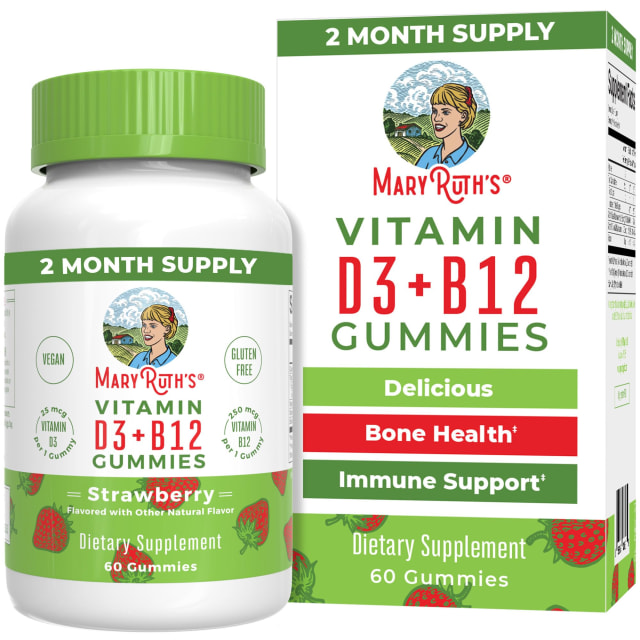
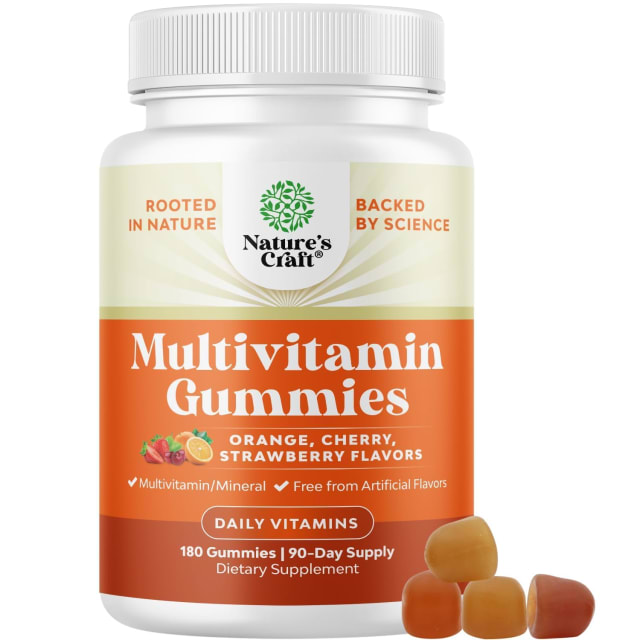
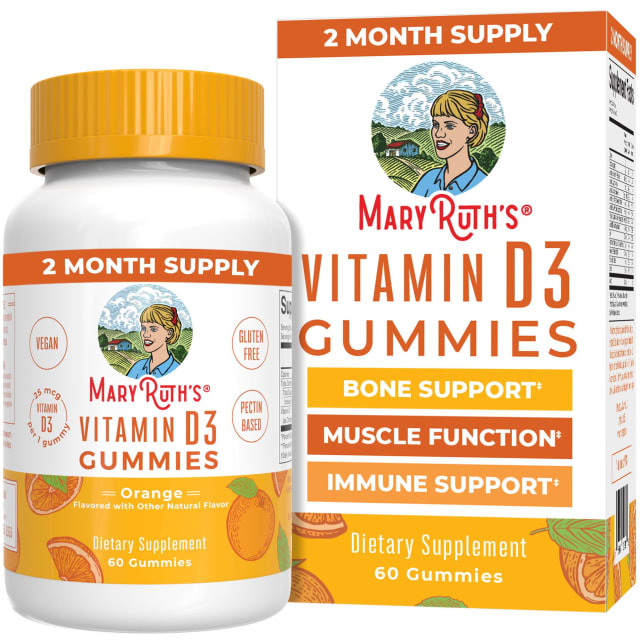
Vitamin D Gummies for Mood: Can the Sunshine Vitamin Brighten Your Day?
For many, the quest for better mental well-being leads down various paths, from therapy and meditation to diet and exercise. An increasingly popular avenue, backed by a growing body of scientific research, explores the link between essential nutrients and emotional health. Among these, vitamin D has emerged as a key player. While traditionally celebrated for its role in bone strength, its potential impact on mood has captured significant attention. This comprehensive guide delves into the world of vitamin D gummies specifically for mood support, examining the science, benefits, and practical considerations to help you make an informed decision.
Understanding the Sunshine Vitamin: More Than Just Bones
Vitamin D, often nicknamed the "sunshine vitamin," is a fat-soluble nutrient that functions more like a hormone in the body. It is unique because the skin can synthesize it upon exposure to ultraviolet B (UVB) rays from sunlight. It exists in two main forms: D2 (ergocalciferol, from plants) and D3 (cholecalciferol, from animal sources and sunlight). Vitamin D3 is generally considered more effective at raising and maintaining blood levels of the nutrient.
The classic, well-established roles of vitamin D include:
- Bone Health: It is crucial for the absorption of calcium and phosphorus, making it fundamental for building and maintaining strong bones and teeth.
- Immune Support: Vitamin D modulates the immune system, helping to regulate its response and support its defensive capabilities.
- Calcium Absorption: It is the primary regulator of calcium absorption in the gut, directly linking it to skeletal health.
However, research over the past two decades has revealed that vitamin D receptors are found throughout the body, including in the brain—particularly in areas linked to mood regulation, such as the hippocampus. This discovery opened the door to investigating its role in emotional and cognitive health.
The Science Behind Vitamin D and Mood Regulation
The connection between vitamin D and mood isn't merely anecdotal; it's grounded in several biological mechanisms.
1. Neurotransmitter Synthesis: Vitamin D is involved in the production of key neurotransmitters like serotonin and dopamine. Serotonin, often called the "feel-good" chemical, is heavily implicated in mood, sleep, and appetite. Research suggests vitamin D helps regulate the enzyme that converts tryptophan into serotonin in the brain.
2. Neuroprotection and Anti-Inflammation: Vitamin D exhibits neuroprotective properties and helps regulate neurotrophic factors, which support neuron health and function. It also plays a role in reducing inflammation in the body and brain. Chronic inflammation is increasingly linked to mood disorders.
3. Seasonal Patterns: The correlation between Seasonal Affective Disorder (SAD) and reduced sunlight exposure during winter months provides compelling observational evidence. Lower sunlight leads to lower vitamin D synthesis, which coincides with the onset of SAD symptoms for many individuals.
Numerous observational studies have found associations between low vitamin D levels and a higher prevalence of low mood. While more robust, randomized controlled trials are needed to fully establish causation, the existing mechanistic and correlational data are strong enough for many healthcare professionals to consider vitamin D status as part of a holistic approach to emotional well-being.
Key Benefits of Vitamin D Gummies
Choosing a gummy format for vitamin D supplementation offers a convenient and enjoyable way to target several areas of health, with mood being a primary focus for many.
- Mood Support: By supporting serotonin pathways and overall brain health, maintaining adequate vitamin D levels may help promote a more balanced emotional state and resilience.
- Bone Health & Calcium Absorption: This remains a core benefit. Stronger bones and efficient mineral absorption are foundational for long-term health.
- Immune System Function: A well-regulated immune system is essential for overall vitality, which indirectly supports mental well-being.
- Convenience and Compliance: Gummies are palatable and easy to remember to take, which improves consistent use—a critical factor for fat-soluble vitamins that need to build up in the system.
- Energy Levels: While not a direct stimulant like caffeine, vitamin D's role in cellular function and reducing fatigue associated with deficiency can contribute to improved overall energy.
What to Look for in a Quality Vitamin D Gummy
Not all vitamin D gummies are created equal. When selecting a product, especially for a specific goal like mood support, several factors are important.
Form of Vitamin D: Look for Vitamin D3 (cholecalciferol). It is the same form produced by the skin and is generally more effective at raising serum levels than D2.
Dosage: Dosage is critical. The Recommended Dietary Allowance (RDA) is 600-800 IU for most adults, but this is a guideline to prevent deficiency, not necessarily an optimal dose for therapeutic support. Many studies on mood have used higher doses, often between 1,000 IU and 4,000 IU daily. It is essential to consult with a healthcare provider to determine the right dose for you, possibly based on a blood test to check your current 25-hydroxyvitamin D levels.
Additional Ingredients for Synergy: Some gummies include other nutrients that work well with vitamin D for mood:
- Magnesium: A co-factor for hundreds of enzymatic reactions and supports relaxation.
- Omega-3s: Also crucial for brain health and have their own mood-supporting properties.
- Vitamin K2: Helps direct calcium to the bones (where it's needed) and away from arteries, complementing vitamin D's role in calcium metabolism.
Sugar Content & Other Ingredients: Gummies often contain added sugar or sugar alcohols for taste. Check the label for the amount of added sugar and consider it within your daily intake. Also, look for clean ingredient lists, reputable third-party testing seals (like USP or NSF), and allergen information.
Comparison: Vitamin D Gummies vs. Other Forms
| Feature | Vitamin D Gummies | Softgels/Capsules | Liquid Drops |
|---|---|---|---|
| Absorption | Good, with food (fat aids absorption) | Typically excellent (often oil-based) | Excellent, easily adjustable |
| Dosage Precision | Fixed per gummy (e.g., 1000 IU) | Fixed per softgel | Highly adjustable (per drop) |
| Ease of Use | Very easy, pleasant taste | Easy to swallow | Easy, but requires counting drops |
| Best For | Those who dislike pills, seeking consistency | Those wanting high potency & no sugar | Children, infants, or need for fine-tuned dosing |
| Considerations | May contain sugar/gelatin; dose limited by gummy size | May be larger to swallow | Can be messy; taste may be oily |
Practical Advice: Dosing, Timing, and Maximizing Benefits
Finding Your Dose: The "best" dose is individual. A healthcare provider can order a simple blood test to measure your 25(OH)D level. A common optimal range is between 30 ng/mL and 50 ng/mL. Your provider can recommend a supplemental dose based on your baseline.
When and How to Take Them: Vitamin D is fat-soluble. Taking your gummy with a meal that contains healthy fats (like avocado, nuts, or eggs) can significantly enhance absorption. Consistency is more important than time of day, but many people find taking it with a main meal like breakfast or lunch helps establish a routine.
Lifestyle Synergy: Supplements are not a substitute for a healthy lifestyle. For mood support, vitamin D gummies should be part of a broader strategy:
- Safe Sun Exposure: Aim for 10-20 minutes of midday sun on arms and legs several times a week, without sunscreen (practicing sun safety to avoid burning).
- Balanced Diet: Include vitamin D-rich foods like fatty fish (salmon, mackerel), egg yolks, and fortified foods.
- Regular Exercise & Sleep: Both are foundational pillars for mental health.
Important Considerations and Potential Side Effects
Vitamin D is generally safe when taken within recommended limits, but it is possible to get too much.
Toxicity (Hypervitaminosis D): This is rare but serious, usually resulting from extremely high doses over long periods (far exceeding 4,000 IU daily without monitoring). It leads to a buildup of calcium in the blood (hypercalcemia), causing symptoms like nausea, vomiting, weakness, frequent urination, and kidney problems. This underscores the importance of not mega-dosing without medical supervision.
Common Side Effects: At appropriate doses, side effects are uncommon. Some may experience mild digestive upset.
Drug Interactions: Vitamin D can interact with certain medications, including some steroids, weight-loss drugs (like orlistat), and certain cholesterol-lowering and seizure medications. Always discuss new supplements with your doctor or pharmacist.
Quality Matters: The supplement industry is not as tightly regulated as pharmaceuticals. Choosing products from reputable brands that undergo third-party testing for purity, potency, and label accuracy is crucial for safety and effectiveness.
Frequently Asked Questions (FAQ)
1. How long does it take for vitamin D gummies to improve mood? This varies based on an individual's starting deficiency level. Some may notice subtle changes in energy or outlook within a few weeks, but it often takes 2-3 months of consistent supplementation to significantly raise blood levels and potentially observe more pronounced effects on mood.
2. Can I take vitamin D gummies at night? While it's generally fine, some individuals report that taking vitamin D later in the day might interfere with sleep, as it can be subtly energizing for them. It is often recommended to take it in the morning or with lunch. Experiment to see what works best for your body.
3. What is the difference between regular vitamin D and vitamin D3? "Vitamin D" is the umbrella term. D3 (cholecalciferol) is the specific form derived from animal sources (like lanolin from sheep's wool) and produced by our skin. It is the form most commonly used in high-quality supplements and is considered more effective than plant-derived D2 at raising and maintaining vitamin D levels in the body.
4. Are there any specific brands you recommend? This article focuses on providing educational information to empower your choice. It is recommended to look for brands that: use Vitamin D3, have clear dosage labeling, undergo third-party testing (look for seals like USP, NSF, or ConsumerLab), and have transparent ingredient lists. Consulting reviews from trusted sources and your healthcare provider is also valuable.
5. Can I get enough vitamin D from food and sun alone? This depends heavily on geography, skin tone, season, sunscreen use, and diet. People living in northern latitudes, those with darker skin (which has more melanin that blocks UVB rays), older adults, and individuals who spend most time indoors are at higher risk for deficiency. While food and sun are important, supplementation is a practical and often necessary strategy for many to achieve optimal levels.
6. Is there a risk of taking too much from gummies? Yes, as with any supplement. It is vital to follow the dosage on the label and your healthcare provider's advice. Do not take multiple gummies beyond the recommended serving thinking "more is better." Stick to one serving unless directed otherwise by a professional, and keep all supplements out of reach of children, as their candy-like appearance can be misleading.
Conclusion: A Bright Piece of the Wellness Puzzle
Vitamin D gummies present a tasty, convenient, and potentially effective way to support not only bone and immune health but also emotional well-being. The scientific link between adequate vitamin D levels and a balanced mood is compelling, rooted in the vitamin's role in brain chemistry and function.
For those exploring natural avenues for mood support, addressing vitamin D status is a sensible step. The journey begins with awareness—considering your sun exposure, diet, and risk factors. Consulting with a healthcare provider for a blood test can provide a clear starting point. If supplementation is needed, choosing a high-quality vitamin D3 gummy, taking it consistently with a fat-containing meal, and integrating it into a holistic lifestyle focused on nutrition, movement, and sleep, can help you harness the potential mood-brightening benefits of the sunshine vitamin, any time of year.
Affiliate Disclosure
Gummy.mom may earn a commission from purchases made through links on this page. This helps support our research and content creation. We only recommend products we genuinely believe in and have thoroughly researched.