Ashwagandha Gummies for Cortisol: Your Guide to Stress Management and Balance
In today's fast-paced world, the quest for natural solutions to manage stress and support overall well-being has never been more relevant. Among the many options available, ashwagandha has emerged as a star player in the world of adaptogenic herbs. Now, available in a convenient and tasty gummy format, this ancient remedy is gaining modern popularity, particularly for its potential role in managing cortisol, the body's primary stress hormone. This comprehensive guide delves into the science, benefits, and practical considerations of using ashwagandha gummies for cortisol regulation and stress support.
Understanding Cortisol: The Body's Stress Alarm System
To appreciate how ashwagandha works, it's essential to first understand cortisol. Often dubbed the "stress hormone," cortisol is produced by the adrenal glands. It plays a crucial role in many bodily functions, including:
- Metabolism Regulation: It helps control how the body uses carbohydrates, fats, and proteins.
- Blood Pressure Management: It supports maintaining healthy blood pressure levels.
- Sleep-Wake Cycle: Cortisol levels naturally follow a circadian rhythm, typically peaking in the morning to promote wakefulness and gradually declining throughout the day.
- Inflammatory Response: It helps regulate the immune system's inflammatory response.
Cortisol is vital for survival—it's the hormone that triggers the "fight-or-flight" response in acute, short-term stressful situations. The problem arises with chronic stress. When the body is under constant pressure—from work, personal life, or environmental factors—cortisol levels can remain persistently elevated. This long-term imbalance is associated with a host of undesirable effects, including:
- Fatigue and low energy
- Weight gain, particularly around the abdomen
- Difficulty concentrating ("brain fog")
- Mood swings, irritability, or feelings of anxiety
- Sleep disturbances
- Weakened immune function
The goal, therefore, is not to eliminate cortisol but to help the body maintain a healthy, balanced level and a proper daily rhythm. This is where adaptogens like ashwagandha come into play.
Ashwagandha: The Ancient Adaptogen for Modern Stress
Ashwagandha (Withania somnifera) is a cornerstone herb in Ayurvedic medicine, used for over 3,000 years. Its name translates to "smell of the horse," alluding to its unique aroma and the traditional belief that it imparts the strength and vitality of a stallion. It is classified as an adaptogen.
What is an Adaptogen? Adaptogens are a unique class of herbal remedies that are theorized to help the body "adapt" to physical, chemical, and biological stressors. They are believed to work by modulating the body's stress response system, particularly the hypothalamic-pituitary-adrenal (HPA) axis, which governs the production of cortisol. A true adaptogen must be non-toxic, help the body resist a wide variety of stressors, and work to normalize physiological functions.
The Science Behind Ashwagandha and Cortisol Management
A growing body of clinical research supports ashwagandha's role in stress and cortisol reduction. Several key studies highlight its potential:
- A 2012 double-blind, randomized, placebo-controlled study published in the Indian Journal of Psychological Medicine found that participants who took a high-concentration ashwagandha root extract showed significantly greater reductions in stress assessment scale scores and serum cortisol levels compared to the placebo group.
- A 2019 review of studies concluded that ashwagandha supplementation was associated with significant reductions in stress and anxiety and lower cortisol levels.
- Research often points to withanolides—bioactive compounds in ashwagandha—as the primary active constituents responsible for its adaptogenic effects. These compounds are believed to influence neurotransmitter activity and mimic the activity of GABA (gamma-aminobutyric acid), a calming neurotransmitter in the brain.
Mechanism of Action: While the exact pathways are still being studied, scientists believe ashwagandha helps normalize cortisol levels through its interaction with the HPA axis. By modulating the communication between the hypothalamus, pituitary gland, and adrenal glands, it may help prevent the overproduction of cortisol during chronic stress, thereby promoting a state of balance or homeostasis.
Key Benefits of Ashwagandha Gummies for Cortisol and Beyond
Ashwagandha gummies offer a palatable and convenient way to access these benefits. The primary advantages are closely interlinked, often stemming from the foundational effect of cortisol management.
1. Stress Relief and Cortisol Management
This is the flagship benefit. By potentially helping to regulate the HPA axis and lower elevated cortisol levels, ashwagandha gummies can promote a calmer, more resilient response to daily stressors. Users often report feeling less overwhelmed and more capable of handling pressure.
2. Mood Support and Reduced Anxiety
Closely tied to stress relief, the calming effect on the nervous system can contribute to improved mood and a reduction in feelings of anxiety. Balanced cortisol levels are essential for emotional stability.
3. Enhanced Energy and Reduced Fatigue
This may seem counterintuitive—how can a calming herb boost energy? Chronic stress and high cortisol are profoundly draining. By addressing the root cause of stress-related fatigue, ashwagandha can help restore natural energy levels. It’s not a stimulant like caffeine; rather, it promotes sustained, balanced energy by alleviating the body's stress burden.
4. Improved Focus and Cognitive Function
"Brain fog" is a common complaint under chronic stress. By mitigating the negative cognitive impacts of elevated cortisol, ashwagandha may support clearer thinking, better concentration, and improved memory.
5. Support for Sleep Quality
Because cortisol rhythms are tied to the sleep-wake cycle, managing elevated evening cortisol can be crucial for sleep. Ashwagandha's calming properties may help quiet the mind and prepare the body for restful sleep, especially when taken consistently.
6. Additional Potential Benefits
Some research and traditional use also suggest support for immune function, physical endurance, and vitality, though these areas require more robust scientific confirmation.
What to Look for in a Quality Ashwagandha Gummy
Not all ashwagandha gummies are created equal. When evaluating options, consider these critical factors:
- Standardized Extract: Look for gummies made with a standardized extract, preferably to a specific percentage of withanolides (e.g., "standardized to 5% withanolides"). This ensures potency and consistency from batch to batch.
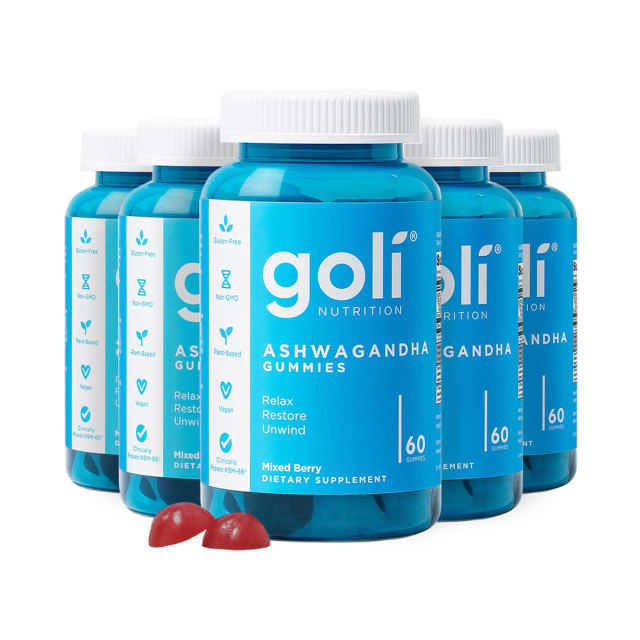
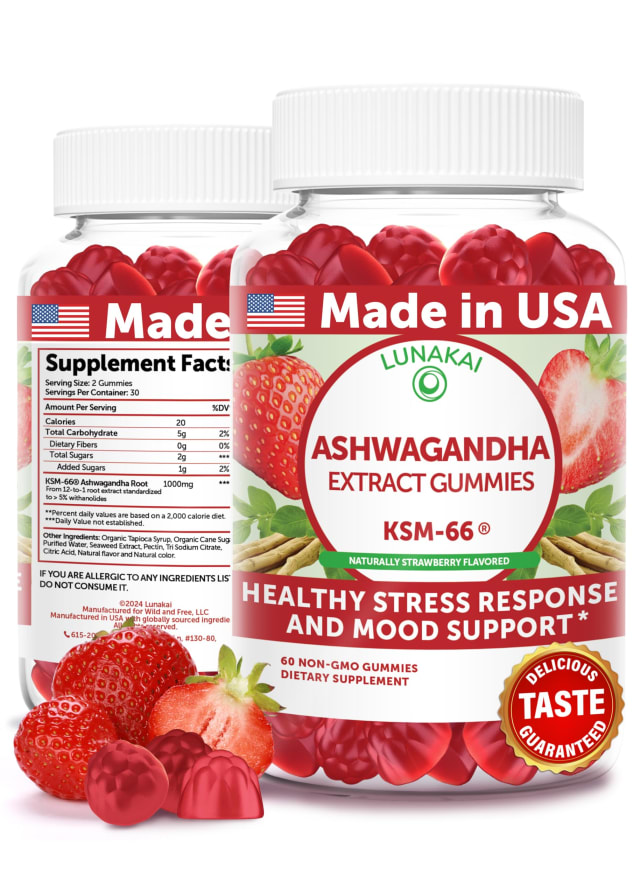
- KSM-66 or Sensoril: These are two of the most clinically researched, high-quality ashwagandha extracts on the market. KSM-66 is a full-spectrum root extract known for its high concentration and use in studies on stress and vitality. Sensoril is another patented extract that combines root and leaf.
- Dosage per Serving: An effective daily dose of ashwagandha root extract typically ranges from 300mg to 600mg. Check the supplement facts label to see how much extract is in each gummy and how many gummies constitute a serving.
- Ingredient Transparency: Opt for brands that clearly list all ingredients, including the type of ashwagandha extract and any additional vitamins or herbs. Avoid products with excessive artificial colors, flavors, or high fructose corn syrup.
- Third-Party Testing: Reputable brands often have their products tested by independent labs for purity, potency, and the absence of contaminants like heavy metals. Look for certifications or testing information on the website or label.
Comparison of Key Ashwagandha Extract Types
| Feature | KSM-66® Ashwagandha | Sensoril® Ashwagandha | Generic/Non-Standardized Root Powder |
|---|---|---|---|
| Source | Root only (full-spectrum) | Root & Leaf | Varies (often just root) |
| Standardization | Typically standardized to 5% withanolides | Standardized to 10% withanolides & high glycowithanolides | Not standardized; potency varies |
| Primary Research Focus | Stress, energy, physical performance, male wellness | Stress, relaxation, sleep, cognitive support | Limited clinical research |
| Common Dosage in Studies | 300-600mg daily | 125-250mg daily | Inconsistent |
| Key Advantage | High concentration, full-spectrum, well-researched for multiple benefits | Potent, lower dose required, strong focus on stress/relaxation | Often less expensive |
| Consideration | May be more stimulating for some | May be more calming/sedating for some | Unreliable potency and effect |
Practical Advice: Dosing, Timing, and Safety
Dosing: Always follow the dosage instructions on the product label. A standard serving is often 1-2 gummies, providing 300-600mg of ashwagandha extract. It's generally advisable to start at the lower end of the range to assess tolerance.
Timing: Timing can be tailored to individual goals:
- For General Stress & Cortisol Management: Taking a gummy in the morning with breakfast can help set a calm tone for the day.
- For Sleep Support: Taking a gummy in the evening, 1-2 hours before bed, may leverage its calming properties to support relaxation and sleep onset.
- For Focus & Energy: A morning dose is typically recommended. Consistency is key. Adaptogens often work best when taken daily over a period of time (several weeks to months), allowing the body to build a response.
Considerations and Potential Side Effects: Ashwagandha is generally well-tolerated by most adults when used appropriately. However, it's important to be aware of the following:
- Possible Side Effects: These are typically mild and may include gastrointestinal upset, drowsiness (especially at higher doses), or headaches.
- Medication Interactions: Ashwagandha may interact with medications for thyroid disorders, blood sugar, blood pressure, immunosuppressants, and sedatives. It may also have mild thyroid-stimulating activity.
- Contraindications: It is not recommended for pregnant or breastfeeding women. Individuals with autoimmune diseases (e.g., rheumatoid arthritis, lupus) should use caution and consult a doctor, as it may stimulate the immune system.
- "Withania Somnolence": Some users report feeling overly relaxed or sleepy when first starting ashwagandha; this often subsides with continued use or dose adjustment.
The Golden Rule: It is crucial to consult with a qualified healthcare professional—such as a doctor, naturopath, or registered dietitian—before starting any new supplement, especially if you have a pre-existing health condition or are taking medication.
Frequently Asked Questions (FAQ)
Q1: How long does it take for ashwagandha gummies to work for stress and cortisol? Most people begin to notice subjective feelings of reduced stress and improved calm within 2-4 weeks of consistent use. However, clinical studies measuring cortisol levels often run for 8-12 weeks, suggesting that optimal biochemical benefits may take longer to fully manifest. Patience and consistency are important.
Q2: Can I take ashwagandha gummies every day? Yes, daily use is common and recommended for sustained adaptogenic benefits. Many studies on ashwagandha involve daily supplementation for periods of 8 weeks or more. It is often advised to consider taking periodic breaks, such as cycling off for one week after every 6-8 weeks of use, though this is not a strict rule and should be discussed with a healthcare provider.
Q3: Are there any foods or drinks I should avoid while taking ashwagandha? There are no major food interactions. However, because ashwagandha can have a calming effect, it's wise to be mindful of combining it with other sedative substances, including alcohol. For optimal absorption, take gummies with a meal containing some healthy fat, as the withanolides are fat-soluble.
Q4: Can ashwagandha gummies help with weight loss related to high cortisol? Indirectly, yes. Chronically high cortisol can promote abdominal fat storage and increase cravings. By helping to normalize cortisol levels, ashwagandha may remove one barrier to weight management. It is not a direct weight-loss supplement but can be a supportive tool within a holistic plan that includes diet and exercise.
Q5: Are ashwagandha gummies safe for long-term use? The long-term safety (beyond several months) of ashwagandha supplementation has not been extensively studied in clinical trials. Traditional Ayurvedic practice has used it for extended periods. The current consensus among many practitioners is that it is safe for medium-term use with appropriate cycling. A healthcare provider can offer personalized guidance.
Q6: What's the difference between ashwagandha gummies and capsules? The primary differences are form and convenience. Gummies offer a tasty, easy-to-take option that may improve compliance for those who dislike swallowing pills. They may contain added sugars or flavors. Capsules often contain a purer extract without added sweeteners and can sometimes offer higher dosages in a smaller volume. The efficacy depends more on the quality and dosage of the extract inside than the delivery format.
Conclusion: A Tool for Modern Resilience
Ashwagandha gummies for cortisol represent a fusion of ancient wisdom and modern convenience. By offering a potential pathway to modulate the body's stress response and support healthy cortisol rhythms, they can be a valuable component of a holistic wellness strategy aimed at managing stress, supporting mood, and enhancing overall vitality.
The journey to better stress management is personal. While ashwagandha gummies can be a helpful tool, they are most effective when combined with other foundational health practices: a nutrient-rich diet, regular physical activity, quality sleep, mindfulness techniques, and strong social connections.
Informed decision-making is the first step. By understanding the science, knowing what to look for in a quality product, and consulting with a healthcare professional, individuals can determine if ashwagandha gummies are a suitable choice for their unique path toward balance and well-being.
Affiliate Disclosure
Gummy.mom may earn a commission from purchases made through links on this page. This helps support our research and content creation. We only recommend products we genuinely believe in and have thoroughly researched.