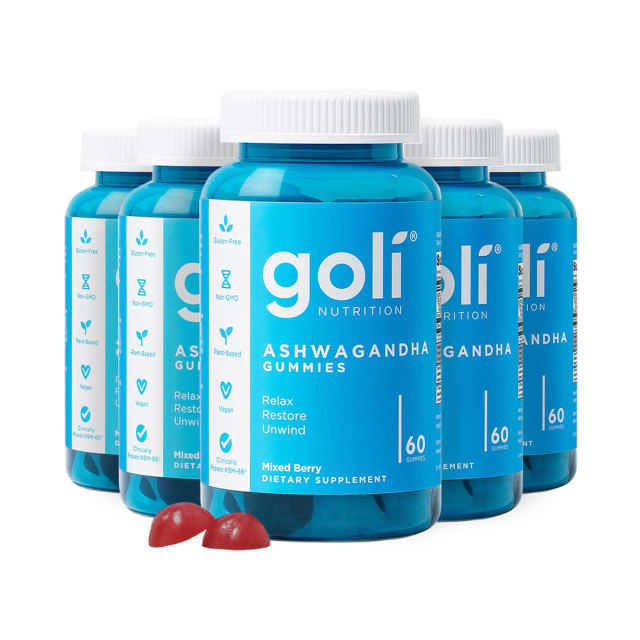
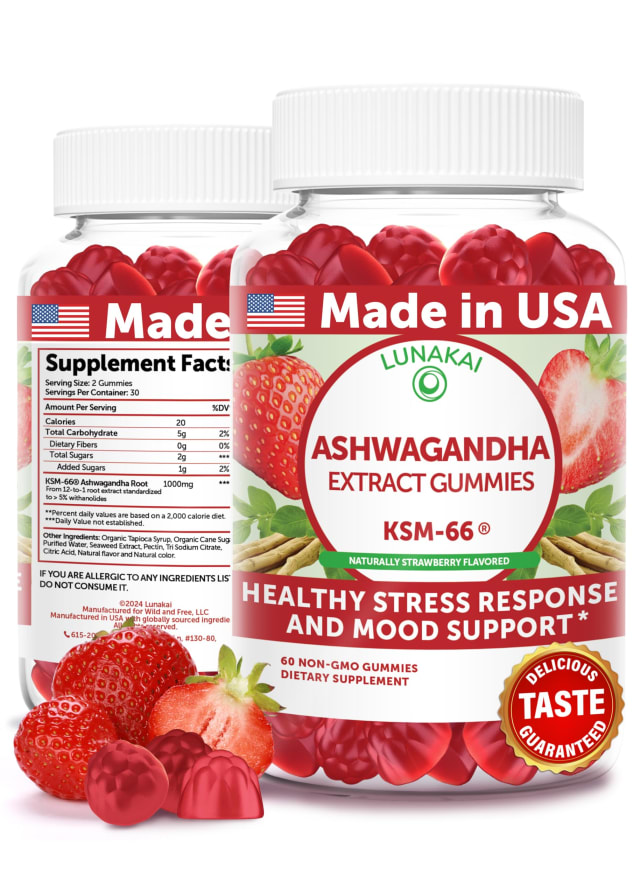
Ashwagandha Gummies for Energy: A Modern Take on an Ancient Adaptogen
In today’s fast-paced world, the quest for sustained, natural energy is more pressing than ever. Many are moving away from the jittery spikes and crashes of caffeine, seeking instead a balanced vitality that supports them through demanding days. Enter ashwagandha gummies, a convenient and tasty format of one of the most revered herbs in Ayurvedic medicine. This article delves deep into how these gummies are being used specifically for energy, exploring the science behind the benefits, what to look for in a quality product, and how to incorporate them effectively into a wellness routine.
Understanding Ashwagandha: The King of Adaptogens
Ashwagandha (Withania somnifera), often called "Indian ginseng," is a cornerstone of Ayurveda, a traditional system of medicine from India. Its name translates to "smell of the horse," alluding to its unique aroma and the traditional belief that it imparts the strength and vitality of a stallion. Classified as an adaptogen, ashwagandha helps the body resist and adapt to physical, chemical, and biological stressors.
Adaptogens work by modulating the body's stress response system, primarily the hypothalamic-pituitary-adrenal (HPA) axis. By promoting balance (homeostasis), they don't stimulate or sedate in a one-directional manner; instead, they help the body function optimally regardless of the stressor. This foundational action is key to understanding how ashwagandha can lead to improved energy levels.
The Science of Energy: How Ashwagandha Gummies Combat Fatigue
The link between ashwagandha and energy is not about direct stimulation like a cup of coffee. Instead, it's a more sophisticated, systemic approach that addresses the root causes of modern fatigue.
1. Cortisol Management: Freeing Up Stored Energy
Chronic stress leads to elevated levels of the hormone cortisol. While vital in acute situations, persistently high cortisol is energetically expensive. It can disrupt sleep, break down muscle tissue, promote fat storage, and lead to feelings of burnout and exhaustion. Multiple studies have shown that ashwagandha can significantly reduce cortisol levels. For instance, a 2012 study published in the Indian Journal of Psychological Medicine found that participants supplementing with ashwagandha root extract had substantially lower cortisol levels compared to the placebo group. By helping to regulate cortisol, ashwagandha gummies allow the body to exit a constant "fight-or-flight" state, conserving and redirecting energy for daily activities.
2. Enhancing Mitochondrial Function
The mitochondria are the powerhouses of our cells, responsible for producing adenosine triphosphate (ATP), the body's primary energy currency. Research, including animal studies, suggests that ashwagandha may support mitochondrial health and efficiency. Withanolides, the active compounds in ashwagandha, are believed to play a role in protecting these cellular power plants from stress-induced damage, thereby supporting sustained energy production at a fundamental level.
3. Improving Sleep Quality
Poor sleep is a primary driver of low energy. While ashwagandha is not a sedative, its stress-reducing and anxiety-lowering effects can significantly improve sleep quality and make it easier to fall asleep. Better, more restorative sleep naturally translates to higher daytime energy levels and improved cognitive function.
4. Supporting Physical Endurance and Recovery
For those whose fatigue is tied to physical exertion, ashwagandha may offer benefits. Research, such as a 2015 study in the Journal of the International Society of Sports Nutrition, indicates that ashwagandha supplementation can improve cardiorespiratory endurance, increase muscle strength, and aid in recovery. This makes ashwagandha gummies a potential ally for active individuals looking to enhance performance and reduce exercise-induced fatigue.
Key Benefits of Ashwagandha Gummies
The format of a gummy makes ashwagandha accessible and easy to dose. The benefits extend beyond just energy, creating a holistic impact on well-being.
- Stress Relief & Cortisol Management: As a potent adaptogen, it helps the body manage physiological and psychological stress responses, lowering cortisol and promoting calm.
- Mood Support: By modulating neurotransmitters like GABA and serotonin, ashwagandha can help alleviate symptoms of anxiety and support a more balanced, positive mood.
- Enhanced Focus & Cognitive Function: Reduced brain fog is a common report. Lower stress and better sleep contribute to improved concentration, memory, and mental clarity.
- Natural Energy Boost: Through the mechanisms described above—cortisol reduction, better sleep, mitochondrial support—it promotes a clean, sustained energy free from crashes.
- Immune Support: Ashwagandha has been shown to possess immunomodulatory properties, helping to strengthen the body's defense mechanisms, which can be weakened by chronic stress.
What to Look for in Quality Ashwagandha Gummies
Not all gummies are created equal. To ensure you're getting a product that can deliver the promised benefits, consider these factors:
- Standardized Extract: Look for gummies made with a standardized extract, preferably KSM-66 or Sensoril. KSM-66 is a full-spectrum root extract clinically researched for its benefits on stress and energy, with a typical standardization of 5% withanolides. Sensoril is another reputable extract. Standardization guarantees a consistent, potent dose of active compounds (withanolides).
- Ashwagandha Dosage: The effective dose for root extract typically ranges from 300mg to 600mg daily. Check the label to see how much extract is provided per gummy. Be wary of products that only list "ashwagandha" without specifying the extract type or withanolide content.
- Sugar Content: Since gummies are a confectionary format, examine the sugar source and amount. Opt for gummies sweetened with natural sources like organic cane sugar, tapioca syrup, or fruit juices, and be mindful of the total sugar per serving.
- Additional Ingredients: Many formulas combine ashwagandha with other supportive nutrients. Common and beneficial pairings include:
- Vitamin D & B12: For immune and energy metabolism support.
- L-Theanine: An amino acid that promotes relaxation without drowsiness, synergizing well with ashwagandha.
- Other Adaptogens: Like rhodiola rosea for fatigue or holy basil for stress.
- Third-Party Testing: Reputable brands will have their products tested by independent labs for purity, potency, and the absence of heavy metals, pesticides, and microbial contaminants. Look for a Certificate of Analysis (CoA).
Comparison of Popular Ashwagandha Extract Types
| Feature | KSM-66 Ashwagandha | Sensoril Ashwagandha | Generic/Non-Standardized Root Powder |
|---|---|---|---|
| Source | Root-only extract | Root & leaf extract | Typically whole root, may not be extracted |
| Standardization | Minimum 5% withanolides | Minimum 8% withanolides & 32% oligosaccharides | Variable, often unspecified |
| Primary Focus | Stress, energy, physical performance | Stress, relaxation, cognitive support | Unpredictable effects |
| Typical Dose | 300-600mg daily | 125-250mg daily | Higher doses often needed (1-3g+) |
| Key Advantage | Full-spectrum, well-researched for vitality | Potent, fast-acting for stress & sleep | Often less expensive, but less reliable |
How to Take Ashwagandha Gummies for Optimal Energy
To get the most out of your supplement, consider these practical tips:
- Timing: For energy and stress support throughout the day, taking one gummy in the morning with breakfast is common. If the goal is to improve sleep quality and unwind in the evening, taking a gummy 1-2 hours before bed may be preferable. Some people split their dose, taking one in the morning and one in the evening. Consistency is more important than the specific time.
- Dosing: Always follow the manufacturer's recommended dosage on the label. Do not exceed it in hopes of faster results. The adaptogenic effects are cumulative and build over time.
- With or Without Food: Gummies can typically be taken with or without food, though taking them with a meal may help with absorption for some individuals.
- Duration: Adaptogens work best with consistent, long-term use. A minimum commitment of 4-8 weeks is recommended to fully assess the effects on energy and stress levels.
- Cycling: Some practitioners suggest cycling adaptogens—taking them for 8-12 weeks followed by a 1-2 week break—to prevent the body from becoming habituated, though this is not universally necessary.
Important Considerations and Potential Side Effects
Ashwagandha is generally well-tolerated by most adults when taken at recommended doses. However, it's not suitable for everyone.
- Pregnancy and Breastfeeding: Ashwagandha is typically not recommended during pregnancy or lactation due to a lack of comprehensive safety data.
- Autoimmune Conditions: Because of its immune-modulating effects, individuals with conditions like rheumatoid arthritis, lupus, or Hashimoto's thyroiditis should consult a healthcare provider before use, as it may stimulate the immune system.
- Thyroid Medications: Ashwagandha may increase thyroid hormone levels. Those on thyroid medication (like levothyroxine) should use it under medical supervision to avoid complications.
- Sedative Medications: Due to its potential calming effects, it may amplify the effects of benzodiazepines, barbiturates, or other sedatives.
- Minor Side Effects: Some people may experience mild digestive upset, drowsiness, or headaches, especially when first starting. Starting with a lower dose can help mitigate this.
- Surgery: Discontinue use at least two weeks before any scheduled surgery due to potential effects on the central nervous system and blood pressure.
The most critical step is to consult with a qualified healthcare professional—such as a doctor, naturopath, or registered dietitian—before starting any new supplement, especially if you have pre-existing health conditions or are taking other medications.
Frequently Asked Questions (FAQ)
Q1: How long does it take for ashwagandha gummies to work for energy? A: While some may notice subtle changes in stress levels within a week or two, the more significant effects on energy, particularly those stemming from better sleep and balanced cortisol, typically become noticeable after 4 to 8 weeks of consistent daily use. Patience and consistency are key with adaptogens.
Q2: Can I take ashwagandha gummies with my morning coffee? A: Yes, you can. They work through different mechanisms. Coffee provides acute stimulation via caffeine, while ashwagandha promotes balanced energy by managing stress. Some find the combination effective, as ashwagandha may take the "edge" off caffeine jitters. However, listen to your body, as both can affect everyone differently.
Q3: Are ashwagandha gummies safe for long-term use? A: Ashwagandha has a long history of traditional use spanning centuries. Current research on standardized extracts like KSM-66, often spanning 8-12 weeks, shows a good safety profile. For long-term use beyond several months, cycling (taking a break for 1-2 weeks every 2-3 months) is a conservative approach some experts recommend, though others consider daily use safe. Consulting a healthcare provider for personalized advice is best.
Q4: Will ashwagandha gummies make me sleepy during the day? A: At standard doses for energy and stress support, ashwagandha should not cause daytime drowsiness in most people. Its adaptogenic action is normalizing, not purely sedating. If you feel overly relaxed, try taking your gummy in the evening or reducing the dose. The "somnifera" in its name refers to its sleep-promoting potential at higher doses or for specific individuals.
Q5: What's the difference between ashwagandha capsules and gummies? A: The primary differences are format, absorption, and added ingredients. Capsules often contain just the powdered herb or extract. Gummies offer a tastier, more convenient option but may include sugars, gelatin or pectin, and flavors. The bioavailability (how well it's absorbed) can vary based on the extract quality and formulation in both types. Choose based on your preference, dietary needs, and the quality markers outlined above.
Q6: Can children or teenagers take ashwagandha gummies? A: Ashwagandha supplements are generally formulated and researched for adults. The safety and appropriate dosing for children and adolescents have not been well established. It is strongly advised to seek guidance from a pediatrician or a qualified healthcare practitioner before giving any supplement, including ashwagandha gummies, to a minor.
Conclusion
Ashwagandha gummies for energy represent a fusion of ancient wisdom and modern convenience. They offer a promising, natural path to combating the fatigue that stems from chronic stress, poor sleep, and mental overload. By targeting the body's stress response at a systemic level, they support a more balanced, resilient, and energetic state of being.
Success with ashwagandha gummies hinges on selecting a high-quality product with a standardized extract, using it consistently as part of a holistic health approach that includes good nutrition, exercise, and sleep hygiene, and doing so under the guidance of a professional when needed. For those seeking to trade jittery, fleeting stimulants for a grounded and sustained vitality, these adaptogen-infused gummies may be a valuable addition to the daily routine.
Affiliate Disclosure
Gummy.mom may earn a commission from purchases made through links on this page. This helps support our research and content creation. We only recommend products we genuinely believe in and have thoroughly researched.