Organic Ashwagandha Gummies: Your Comprehensive Guide to Stress Relief & Focus
In today’s fast-paced world, the search for natural solutions to manage stress, boost energy, and improve mental clarity has led many to explore adaptogenic herbs. Among these, ashwagandha stands out as a time-tested favorite, and its most palatable and convenient form has arrived: organic ashwagandha gummies. These chewy supplements promise the ancient benefits of this powerful herb in a modern, easy-to-take format. This comprehensive guide will delve into everything you need to know—from the science behind ashwagandha to how to choose the best organic gummies for your wellness goals.
What is Ashwagandha? The Ancient Adaptogen Explained
Ashwagandha (Withania somnifera), also known as Indian ginseng or winter cherry, is a cornerstone of Ayurvedic medicine, a traditional healing system from India that dates back over 3,000 years. Its name translates to "smell of the horse," alluding to its unique aroma and the traditional belief that it imparts the strength and vitality of a stallion.
Classified as an adaptogen, ashwagandha helps the body resist and adapt to physical, chemical, and biological stressors. Adaptogens work by modulating the body's stress response system, particularly the hypothalamic-pituitary-adrenal (HPA) axis, which governs the release of cortisol, the primary stress hormone. Unlike stimulants that force a response, adaptogens like ashwagandha are thought to bring the body back into balance, whether it needs to be energized or calmed.
Key Bioactive Compounds
The benefits of ashwagandha are attributed to a group of naturally occurring compounds called withanolides. These steroidal lactones are the primary markers used to standardize ashwagandha extracts, ensuring potency and consistency from batch to batch.
Why Choose Organic Ashwagandha Gummies?
The shift toward organic supplements is driven by a desire for purity and sustainability. When it comes to organic ashwagandha gummies, this certification matters for several reasons:
- Purity Assurance: Organic certification requires that the ashwagandha root is grown without the use of synthetic pesticides, herbicides, or genetically modified organisms (GMOs). This reduces the risk of consuming unwanted chemical residues.
- Potency: Organic farming practices often focus on soil health, which can lead to more nutrient-dense plants.
- Environmental Impact: Choosing organic supports agricultural methods that are better for soil, water, and ecosystem health.
- Clean Formulation: Brands that prioritize organic ashwagandha are often more conscientious about the other ingredients in their gummies, opting for natural colors, flavors, and sweeteners.
The gummy format itself offers distinct advantages:
- Palatability: It masks the earthy, bitter taste of ashwagandha root.
- Convenience: They are pre-dosed, portable, and require no water or mixing.
- Compliance: A pleasant taste and texture make it easier to maintain a consistent supplement routine.
Core Benefits of Organic Ashwagandha Gummies
The therapeutic potential of ashwagandha is backed by a growing body of scientific research. Here’s how these benefits translate when taken in a gummy form.
1. Stress Relief and Cortisol Management
This is the most celebrated benefit. Chronic stress leads to elevated cortisol levels, which can disrupt sleep, weight management, and immune function. Multiple studies have shown that ashwagandha supplementation can significantly reduce perceived stress and lower serum cortisol levels. For anyone facing daily pressures, organic ashwagandha gummies can serve as a natural tool to promote a calmer, more resilient state of mind.
2. Mood and Anxiety Support
Closely linked to stress relief, ashwagandha has demonstrated anxiolytic (anti-anxiety) effects comparable to some pharmaceutical interventions in certain studies. It is believed to influence neurotransmitters like GABA, which has calming effects on the nervous system. Regular use may contribute to a more balanced emotional state and improved overall mood.
3. Enhanced Energy and Reduced Fatigue
Contrary to sedative herbs, ashwagandha’s adaptogenic nature can boost energy levels, especially in cases of stress-related fatigue. By helping to regulate the stress response, it prevents the body from being in a constant state of "fight or flight," which is exhausting. Users often report feeling more vital and less worn out by daily tasks, not in a jittery way, but as a sustained sense of vitality.
4. Improved Focus and Cognitive Function
Stress and brain fog often go hand-in-hand. Research suggests ashwagandha may improve cognitive function, including reaction time, task performance, and attention. It may also have a protective effect on nerve cells, supporting overall brain health. This makes organic ashwagandha gummies a potential aid for students, professionals, or anyone needing mental clarity.
5. Support for Sleep Quality
While not a direct sedative, by alleviating stress and anxiety—common culprits of restless nights—ashwagandha can indirectly promote better sleep onset and quality. A calm mind at bedtime is often the first step toward more restorative sleep.
Additional Potential Benefits
While the above are the most well-researched, studies also explore ashwagandha's role in supporting athletic performance and recovery, testosterone levels in men, and overall vitality.
How to Choose the Best Organic Ashwagandha Gummies: A Buyer's Guide
Not all gummies are created equal. Here are the critical factors to evaluate when comparing products.
1. Ashwagandha Extract Type and Standardization
This is the most important specification. Look for products that clearly state:
- Root Extract vs. Whole Powder: Most clinical studies use a concentrated root extract. This is more potent than simply using dried, powdered root.
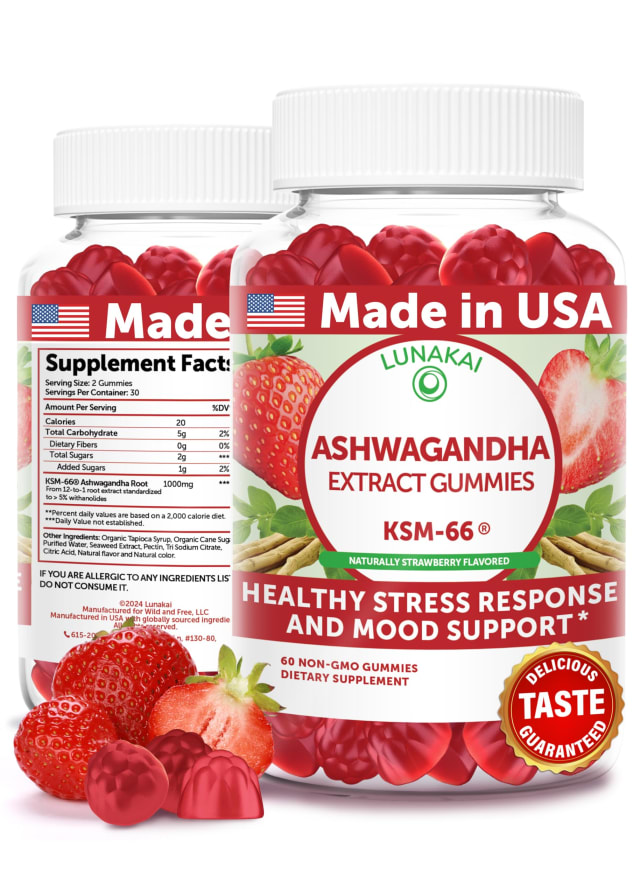
- Standardization: The label should specify a standardization to withanolides (e.g., "standardized to 5% withanolides" or "standardized to 2.5% withanolides"). KSM-66 and Sensoril are two of the most researched, patented root extracts.
- KSM-66: A full-spectrum root extract, often standardized to 5% withanolides. It is renowned for its research on stress, energy, and physical performance.
- Sensoril: A blend of root and leaf extract, typically standardized to a higher percentage (e.g., 10% withanolides). It is often researched for stress and sleep support.
- Dosage per Serving: Clinical studies often use doses between 300-600 mg of a standardized extract daily. Ensure the gummy provides a meaningful dose, typically 300-500 mg per serving.
2. Organic Certification
Look for official certifications from reputable bodies like USDA Organic, which verifies that at least 95% of the agricultural ingredients are organically grown. Some brands may use organic ashwagandha but not have a certified final product.
3. Full Ingredient Transparency
Examine the full list of ingredients.
- Sweeteners: Prefer gummies sweetened with organic cane sugar, tapioca syrup, or fruit juices over artificial sweeteners or high-fructose corn syrup.
- Flavors and Colors: Natural flavors and colors (from sources like black carrot or turmeric) are preferable to artificial ones (like Red 40 or Blue 1).
- Other Active Ingredients: Some gummies combine ashwagandha with other supportive nutrients like L-Theanine, Rhodiola, or vitamins. Ensure these combinations are purposeful and the doses are disclosed.
- Allergens: Check for common allergens like gelatin (if not vegan), soy, or gluten if you have sensitivities.
4. Third-Party Testing
A hallmark of a trustworthy brand is independent, third-party testing for purity, potency, and safety (like heavy metals, microbes, and pesticides). Certificates of Analysis (CoAs) should be available upon request.
Comparison of Key Ashwagandha Extract Types in Gummies
| Feature | KSM-66 Ashwagandha | Sensoril Ashwagandha | Generic/Non-Standardized Extract |
|---|---|---|---|
| Source | Full-spectrum root extract only | Blend of root and leaf extract | Varies; often just powdered root |
| Typical Standardization | Standardized to 5% withanolides | Standardized to 10% withanolides | Often not standardized; potency varies |
| Primary Research Focus | Stress, energy, physical performance, male vitality | Stress, anxiety, sleep, cognitive support | Limited clinical research |
| Common Dosage in Studies | 300-600 mg daily | 125-250 mg daily | Not well-established |
| Key Advantage | Well-researched for a broad range of benefits; full-spectrum | Potent, lower dose needed; strong focus on stress & relaxation | Usually more affordable |
| Consideration | Slightly higher dose required | May be more calming/sedating for some | Potency and effects are less predictable |
Practical Advice: Dosing, Timing, and What to Expect
Recommended Dosage
A standard serving for organic ashwagandha gummies is typically 1-2 gummies, providing 300-600 mg of a standardized ashwagandha extract. It is always advisable to start with the lower end of the dosage range to assess tolerance, then adjust if needed. Follow the specific dosage instructions on your chosen product's label.
Best Time to Take Them
Timing can be tailored to individual goals:
- For Daytime Stress & Focus: Taking one gummy in the morning with breakfast can help set a calm, focused tone for the day.
- For Evening Relaxation & Sleep: Taking a gummy in the early evening (with dinner) can help manage stress from the day and promote wind-down. Avoid taking it immediately before bed if you find it energizing.
- Consistency is Key: Adaptogens often work best with consistent, daily use over time. Effects are typically noticed after 2-8 weeks of regular supplementation.
What to Expect and Considerations
- Onset of Effects: While some may feel calmer quickly, most of the clinically studied benefits (like significant cortisol reduction) are observed after several weeks of consistent use.
- Potential Side Effects: Ashwagandha is generally well-tolerated. Mild side effects may include digestive upset or drowsiness, especially at high doses. It is not recommended for pregnant or breastfeeding women, individuals with autoimmune diseases, or those taking medication for thyroid, blood sugar, or blood pressure without consulting a healthcare provider.
- Cycling: Some practitioners recommend taking a break (e.g., 5 days off after 4-8 weeks of use) to prevent the body from becoming overly accustomed to it, though this is not universally agreed upon.
Frequently Asked Questions (FAQ)
Q: Can I take organic ashwagandha gummies every day? A: Yes, for most adults, daily use is safe and recommended to experience the cumulative adaptogenic benefits. It is prudent to follow the dosage on the label and consider discussing long-term use with a healthcare professional, especially if you have underlying health conditions.
Q: How long does it take for ashwagandha gummies to work for anxiety? A: While some calming effects may be felt within a few days, most clinical studies measuring significant reductions in anxiety and stress markers show results after 4 to 8 weeks of consistent daily supplementation.
Q: Are there any people who should avoid ashwagandha? A: Yes. Pregnant or breastfeeding women, individuals with hyperthyroidism or autoimmune conditions (like rheumatoid arthritis, lupus), and those scheduled for surgery should avoid ashwagandha unless explicitly approved by their doctor. It may also interact with sedatives, thyroid hormone medication, and drugs for diabetes or hypertension.
Q: Can ashwagandha gummies make you sleepy or tired? A: Ashwagandha is relaxing and can promote sleep for some people, particularly when taken in the evening. However, by reducing stress-related fatigue, many people actually experience an increase in daytime energy. The effect can be individual, so it's best to gauge your response by starting with a morning dose.
Q: What’s the difference between ashwagandha gummies and capsules? A: The primary difference is the delivery format and ingredients. Gummies offer taste and convenience but may contain added sugars and fillers. Capsules often contain a purer, more concentrated powder without sweeteners. The choice comes down to personal preference, dietary needs, and the specific formulation of each product.
Q: Are "organic" gummies necessarily better? A: Organic certification ensures the ashwagandha was grown without synthetic pesticides and herbicides, which is a significant advantage for purity and environmental reasons. However, an organic label does not automatically guarantee a higher-quality extract (like KSM-66) or an optimal dosage. It's one important factor among several to consider.
Final Thoughts
Organic ashwagandha gummies represent a harmonious blend of ancient wisdom and modern convenience. They offer a legitimate, palatable pathway to harnessing the stress-adapting, focus-enhancing, and energy-balancing powers of this remarkable herb. By prioritizing key factors like extract type (look for KSM-66 or Sensoril), organic certification, transparent labeling, and third-party testing, consumers can make an informed choice that aligns with their health objectives.
As with any supplement, they are most effective as part of a holistic approach to wellness that includes a balanced diet, regular exercise, and proper sleep. For those navigating the challenges of daily stress and seeking natural support for their mental and physical resilience, a high-quality organic ashwagandha gummy may be a valuable addition to their daily routine. Always remember to consult with a healthcare provider before starting any new supplement regimen.
Affiliate Disclosure
Gummy.mom may earn a commission from purchases made through links on this page. This helps support our research and content creation. We only recommend products we genuinely believe in and have thoroughly researched.