Do Melatonin Gummies Work? A Comprehensive Guide to Sleep Support
For anyone who has stared at the ceiling at 2 a.m., the promise of a tasty gummy that can usher in a peaceful night's sleep is incredibly appealing. Melatonin gummies have surged in popularity, lining pharmacy shelves and online stores. But the central question remains: do melatonin gummies work? The short answer is yes, for specific sleep-related issues, but they are not a universal cure-all. This comprehensive guide dives deep into the science, benefits, proper use, and key considerations to help you understand exactly what melatonin gummies can and cannot do for your sleep.
Understanding Melatonin: Your Body's Sleep Signal
To evaluate if melatonin gummies work, one must first understand what melatonin is. Melatonin is a natural hormone produced by the pineal gland in the brain. Its primary function is to regulate the body's circadian rhythm—the internal 24-hour clock that dictates sleep-wake cycles.
As evening approaches and light exposure decreases, the brain releases melatonin, signaling to the body that it's time to prepare for sleep. Levels typically peak in the middle of the night and gradually fall by morning. This hormone doesn't "knock you out" like a sedative; instead, it promotes drowsiness and facilitates the onset of sleep by telling your body, "It's nighttime."
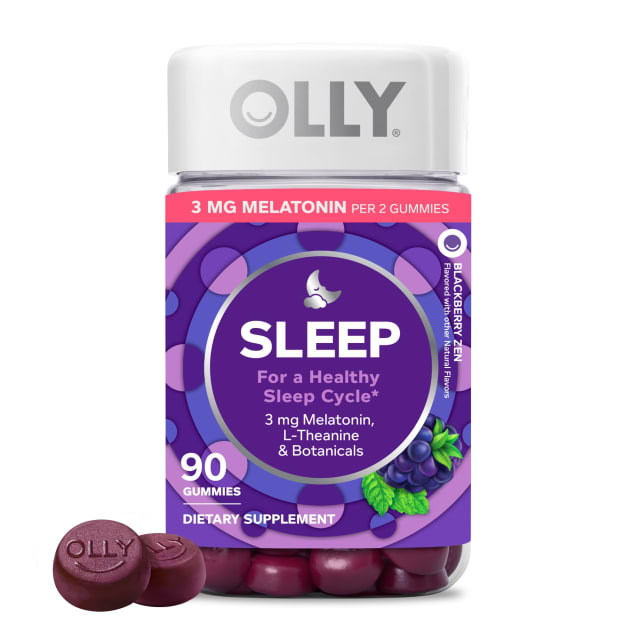
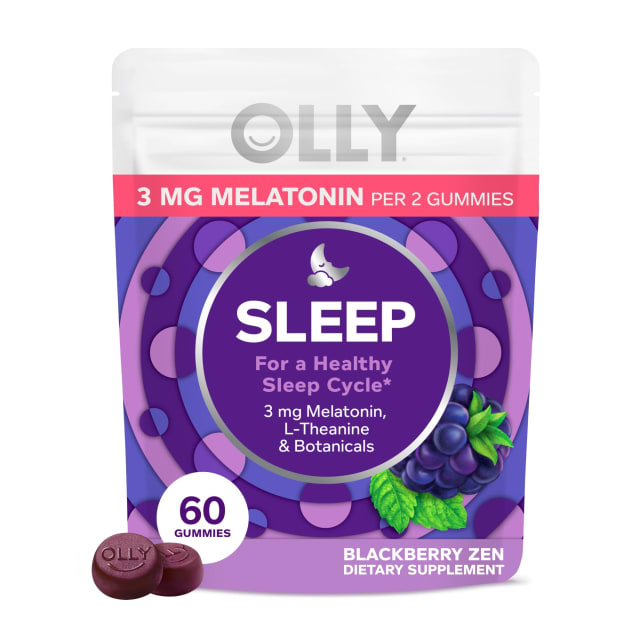
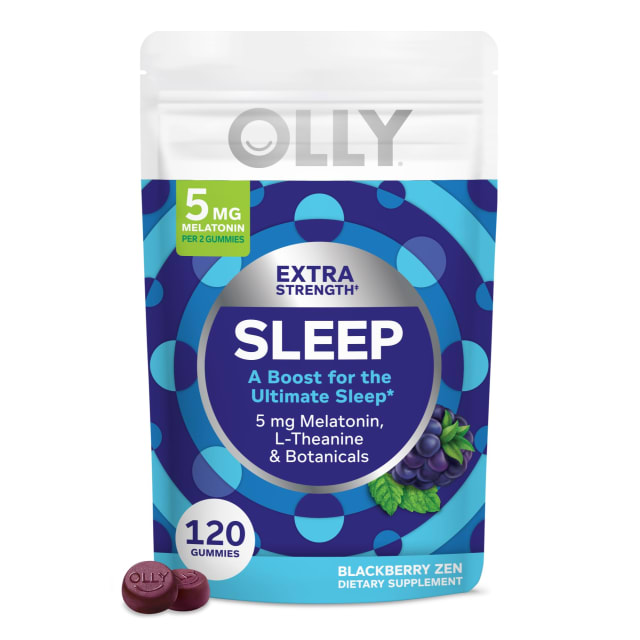
Synthetic melatonin, the kind found in supplements, is bioidentical to the hormone the body produces. Gummies offer a palatable and convenient delivery method, often combined with other supportive ingredients like L-theanine or chamomile.
The Science: How Effective Are Melatonin Gummies?
Numerous studies have investigated the efficacy of supplemental melatonin. The consensus in the scientific community is that melatonin is effective for certain, well-defined sleep problems. Its effectiveness is highly dependent on the specific sleep issue being addressed.
Proven Benefits and What the Research Says
- Falling Asleep Faster (Sleep Latency): This is one of the most well-supported uses. Research consistently shows that melatonin supplementation can reduce the time it takes to fall asleep, particularly in individuals with Delayed Sleep-Wake Phase Disorder (DSWPD)—a condition where one's natural sleep cycle is shifted later.
- Jet Lag Relief: Melatonin is remarkably effective for minimizing the symptoms of jet lag. By taking it at the appropriate time at your destination, you can help reset your internal clock to align with the new time zone more quickly.
- Improving Sleep Quality in Certain Populations: Studies indicate benefits for shift workers, individuals with low natural melatonin production (like some older adults), and those with mild sleep disturbances. The improvement often relates to more consolidated sleep with fewer awakenings.
- Support for Occasional Sleeplessness: For those experiencing temporary sleep disruption due to stress or schedule changes, melatonin gummies can provide short-term support to re-establish a routine.
It's crucial to note that melatonin is generally less effective for chronic insomnia that is unrelated to circadian rhythm issues. In such cases, underlying causes like anxiety, sleep apnea, or lifestyle habits need to be addressed.
Key Ingredients in Melatonin Gummies: More Than Just Melatonin
Many melatonin gummies include additional ingredients designed to promote relaxation and enhance sleep quality. Understanding these can help you choose a product aligned with your needs.
| Ingredient | Primary Role | Key Benefit |
|---|---|---|
| Melatonin | Hormone | Signals sleep onset, regulates circadian rhythm |
| L-Theanine | Amino Acid (often from green tea) | Promotes relaxation and reduces anxiety without drowsiness |
| Chamomile | Herb | Traditionally used for its mild sedative and calming properties |
| Lemon Balm | Herb | May help reduce stress and anxiety levels before bed |
| Magnesium | Mineral | Supports muscle relaxation and nervous system calm |
| GABA | Neurotransmitter | May help quiet an overactive mind, though absorption is debated |
A Note on "Natural Sleep" Aids: While melatonin itself is a synthetic copy of a natural hormone, blends that include botanicals like chamomile or lemon balm are often marketed as a more holistic approach to natural sleep support.
How to Use Melatonin Gummies for Best Results
Effectiveness is heavily influenced by correct usage. Taking a melatonin gummy at the wrong time or in the wrong dose can be ineffective or even disruptive.
Timing is Everything
The timing of your dose is arguably more important than the dose itself. Melatonin should be taken 30 to 60 minutes before your desired bedtime. For jet lag, the calculation is more specific: take it at the target bedtime of your new time zone. There are also jet lag calculators available online that can provide personalized timing advice.
Finding the Right Dose
More is not better with melatonin. The body typically produces the equivalent of about 0.1 to 0.5 mg per night. Many gummies on the market contain 3 mg, 5 mg, or even 10 mg, which can be significantly more than the body needs.
- Start Low: It is strongly recommended to start with the lowest effective dose, often between 0.5 mg and 1 mg.
- Assess and Adjust: If this isn't effective after a few nights, gradually increase by 0.5-1 mg increments. Many people find optimal results with 1-3 mg.
- The Goal: The aim is to find the smallest dose that helps you fall asleep comfortably. A higher dose can sometimes lead to morning grogginess or vivid dreams.
What to Look for in a Quality Product
- Third-Party Testing: Look for gummies that have been verified by an independent lab (like USP, NSF, or ConsumerLab). This ensures the product contains what the label says and is free from contaminants.
- Clear Dosage Labeling: The amount of melatonin (and any other active ingredients) per gummy should be clearly stated.
- Minimal Additives: Opt for products with simple ingredient lists, avoiding excessive artificial colors, flavors, or high fructose corn syrup if possible.
- Type of Melatonin: Some products use "slow-release" or "fast-dissolve" melatonin. Standard melatonin is best for sleep onset, while slow-release may help with staying asleep, though evidence is mixed.
Important Considerations and Potential Side Effects
While melatonin is generally considered safe for short-term use by most adults, it is not without considerations.
- Daytime Drowsiness: Taking too high a dose or taking it too late can cause grogginess the next morning.
- Vivid Dreams or Nightmares: Some users report more intense dreams.
- Mild Side Effects: Headache, dizziness, or nausea can occur in some individuals.
- Hormonal Interactions: Because it is a hormone, it can potentially interact with other hormonal systems. Individuals with autoimmune disorders, pregnant or breastfeeding women, and those on corticosteroid medications should consult a doctor.
- Not a Long-Term Solution: Melatonin is intended for occasional or short-term use. Persistent sleep problems warrant a medical evaluation to rule out underlying conditions.
- Regulation: In many countries, including the U.S., melatonin supplements are not strictly regulated as drugs but as dietary supplements. This underscores the importance of choosing third-party tested brands.
Frequently Asked Questions (FAQ)
Q: Can I become dependent on melatonin gummies? A: Melatonin is not considered addictive in the way prescription sleep medications can be. The body does not develop a tolerance requiring higher doses. However, psychological dependence—the belief that you cannot sleep without it—can occur. It's best used as a temporary tool to reset your sleep cycle.
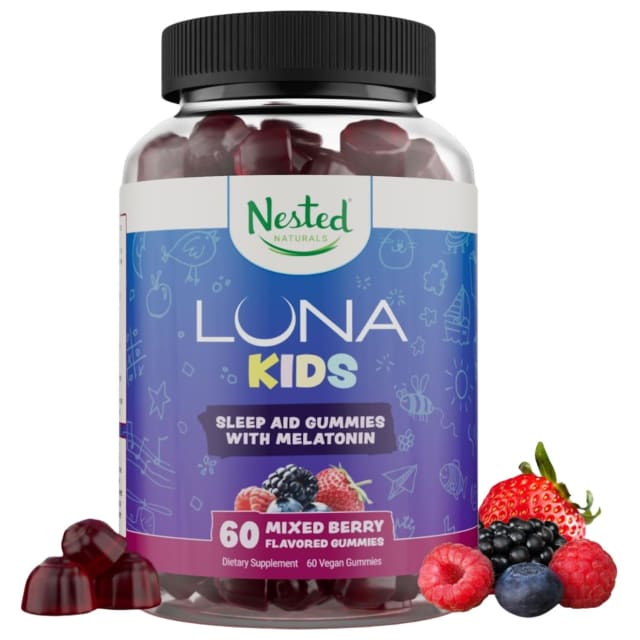
Q: Are melatonin gummies safe for children? A: Melatonin is sometimes used under pediatrician guidance for children with certain neurodevelopmental disorders like ADHD or autism that impact sleep. However, giving melatonin to otherwise healthy children should only be done after consulting a healthcare provider, as the long-term effects on development are not fully known.
Q: Why didn't melatonin gummies work for me? A: Several reasons are possible: the dose may be too high or too low, the timing may be off, your sleep issues may be unrelated to circadian rhythm (e.g., anxiety, pain, sleep apnea), or the product quality may be poor. It's also important to pair supplementation with good sleep hygiene.
Q: Can I take a melatonin gummy every night? A: While safe for occasional use, the long-term nightly use of melatonin is not well-studied. It is advisable to use it intermittently—for example, for a few weeks to overcome a period of sleeplessness or for jet lag—rather than as a permanent nightly sleep aid.
Q: How do melatonin gummies compare to other forms like pills or liquids? A: Gummies, pills, and liquids are generally similar in effectiveness as they are all ingested. Gummies are popular for their taste and ease of taking. Liquids may be absorbed slightly faster. The key factor is the dosage accuracy and quality of the product, not the form.
Q: Do the other ingredients like L-theanine and chamomile really help? A: Yes, they can provide complementary support. L-theanine is well-researched for promoting a calm, relaxed state without sedation, which can be helpful for those whose sleeplessness is driven by anxiety. Chamomile has a long history of use as a mild relaxant. These ingredients address the "wind-down" phase, while melatonin provides the "time-to-sleep" signal.
The Bottom Line: A Tool, Not a Magic Bullet
So, do melatonin gummies work? The evidence confirms they are an effective tool for specific scenarios: resetting your sleep cycle, overcoming jet lag, and helping with sleep onset when the cause is related to a delayed circadian rhythm. They can be a valuable part of a sleep support strategy.
However, they are most effective when used correctly—with proper low-dose timing—and as part of a broader commitment to good sleep hygiene. This includes maintaining a consistent sleep schedule, ensuring your bedroom is dark and cool, limiting screen time before bed, and managing stress.
For anyone considering melatonin gummies, starting with a low dose from a reputable brand and paying close attention to timing will offer the best chance of success. If sleep problems persist, consulting a healthcare professional is always the recommended course of action to explore the root cause and develop a comprehensive plan for restorative, natural sleep.
Affiliate Disclosure
Gummy.mom may earn a commission from purchases made through links on this page. This helps support our research and content creation. We only recommend products we genuinely believe in and have thoroughly researched.