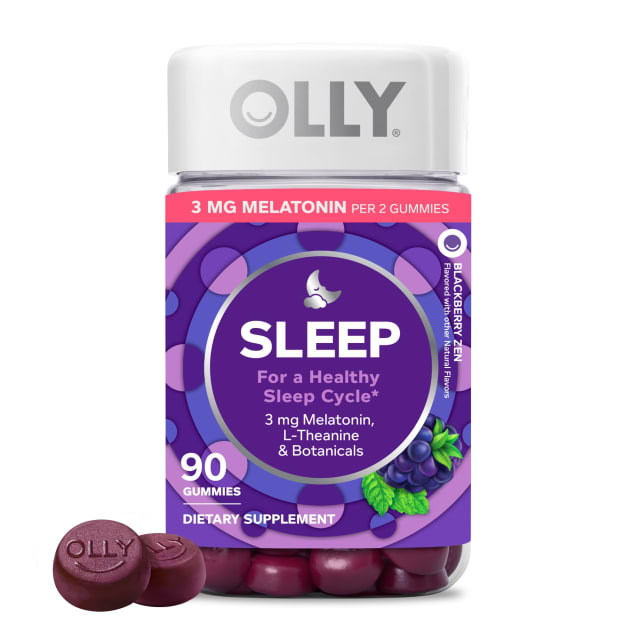
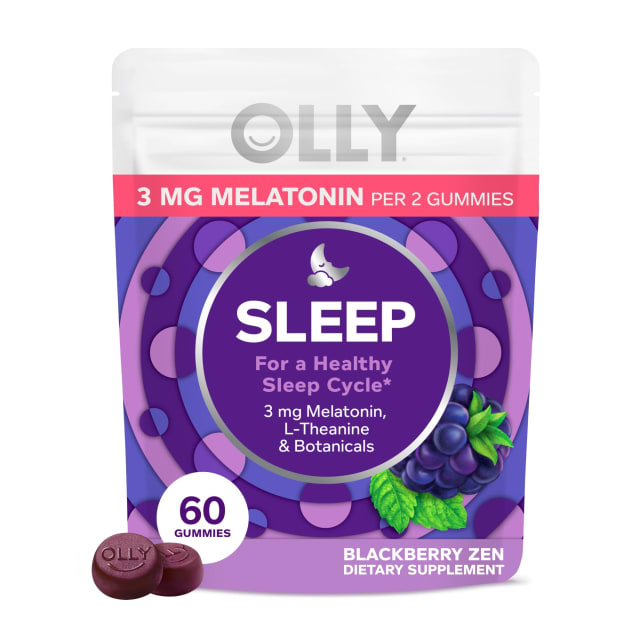
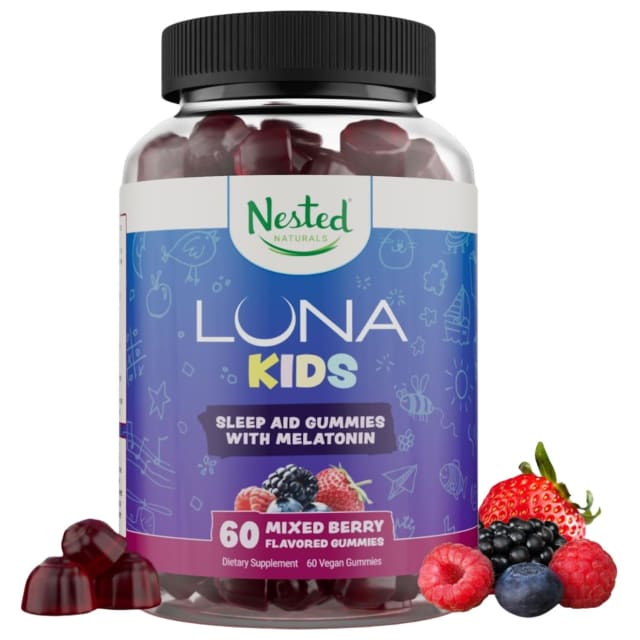
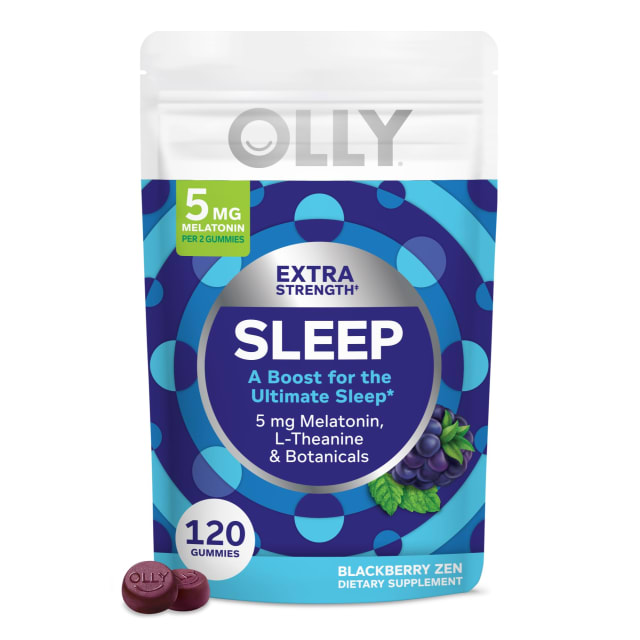
Melatonin Gummies for Sleep: A Comprehensive Guide to Better Rest
In today's fast-paced world, a good night's sleep can feel like a luxury. For millions of people, drifting off and staying asleep is a nightly struggle. Enter melatonin gummies, a popular and palatable supplement that has become a cornerstone of many bedtime routines. These chewable, often flavorful supplements offer a convenient way to support the body's natural sleep-wake cycle. This comprehensive guide delves into the science, benefits, and practical considerations of using melatonin gummies for sleep, providing the information needed to make an informed decision.
What is Melatonin and How Does It Work?
Melatonin is a hormone naturally produced by the pineal gland in the brain. Often called the "sleep hormone," its primary role is to regulate the body's circadian rhythm—the internal 24-hour clock that dictates cycles of sleepiness and wakefulness.
As daylight fades and darkness sets in, the brain receives signals to increase melatonin production, typically in the evening. This rise in melatonin levels signals to the body that it's time to prepare for sleep, causing a drop in core body temperature and promoting feelings of drowsiness. Conversely, melatonin production decreases in the morning with exposure to light, helping the body wake up.
Melatonin supplements, including gummies, are designed to supplement this natural process. They are particularly useful in situations where the circadian rhythm may be disrupted, such as:
- Jet Lag: Crossing multiple time zones.
- Shift Work: Working nights or rotating schedules.
- Delayed Sleep Phase Disorder: A consistently later sleep-wake cycle.
- General Difficulty Falling Asleep: Trouble initiating sleep despite having the opportunity.
It's crucial to understand that melatonin is not a sedative. It does not "knock you out." Instead, it acts as a chronobiotic—a substance that adjusts the timing of the internal clock—and a mild soporific, encouraging the onset of sleep.
Key Benefits of Melatonin Gummies for Sleep
Melatonin gummies offer several specific benefits that contribute to their popularity as a sleep aid.
1. Support Falling Asleep Faster
For those who lie awake with a racing mind, melatonin gummies can help shorten the time it takes to fall asleep (sleep latency). By providing an external source of melatonin, they reinforce the body's natural sleep signal, making it easier to transition from wakefulness to sleep.
2. Improvement in Sleep Quality
Beyond just falling asleep, some research suggests melatonin can contribute to more restorative sleep. It may help regulate sleep architecture, potentially increasing the time spent in deep, restorative sleep stages. Users often report waking up feeling more refreshed.
3. Relief from Jet Lag
Jet lag occurs when your internal clock is out of sync with your new time zone. Strategically timed melatonin supplementation is one of the most well-researched methods for reducing jet lag symptoms. Gummies offer a travel-friendly format to help reset your circadian rhythm more quickly after long flights.
4. Promotion of Relaxation
Many melatonin gummies are formulated with additional calming ingredients. This combination can create a powerful ritual for winding down, signaling to both the mind and body that the day is over and it's time to rest.
5. A Convenient and Palatable Format
The gummy format itself is a significant benefit. They are easy to take, require no water, and come in appealing flavors. This can improve consistency, which is key for any supplement regimen, especially for those who have difficulty swallowing pills.
What to Look for in a Quality Melatonin Gummy
Not all melatonin gummies are created equal. When selecting a product, several factors should be considered to ensure safety, efficacy, and value.
1. Melatonin Dosage: Dosage is perhaps the most critical factor. More is not always better with melatonin.
- Low Dose (0.5 mg - 1 mg): Ideal for circadian rhythm resetting or for those new to melatonin.
- Standard Dose (1 mg - 3 mg): The most common range for general sleep support.
- Higher Dose (5 mg - 10 mg): Sometimes used for specific sleep disorders but should be approached cautiously. It's generally recommended to start with the lowest effective dose, often 1-2 mg, about 30-60 minutes before bedtime.
2. Additional Sleep-Supporting Ingredients: Many high-quality gummies combine melatonin with other natural compounds known for their relaxing properties:
- L-Theanine: An amino acid found in green tea that promotes relaxation and alpha brain waves without drowsiness. It can help quiet an anxious mind before bed.
- Chamomile: A traditional herbal remedy often used in tea. It contains apigenin, an antioxidant that may bind to receptors in the brain to promote sleepiness and reduce anxiety.
- Magnesium: A mineral involved in hundreds of bodily processes, including nervous system regulation. Magnesium glycinate is a form known for its calming effects.
- Lemon Balm or Valerian Root: Other herbs with a long history of use for relaxation and sleep support.
3. Third-Party Testing & Transparency: Look for brands that use third-party laboratories to verify their products. Certificates of Analysis (COAs) ensure the gummy contains the advertised amount of melatonin and is free from harmful levels of contaminants like heavy metals, pesticides, or microbes.
4. Sugar Content and Other Ingredients: Since gummies are a confectionery format, be mindful of added sugars, artificial colors, or flavors. Many reputable brands now offer low-sugar or sugar-free options sweetened with alternatives like stevia or monk fruit.
5. Brand Reputation: Choose brands with a strong reputation for quality and transparency. Research the company, read customer reviews, and look for their commitment to scientific research and good manufacturing practices (GMP).
Melatonin Gummies vs. Other Sleep Aid Formats
| Feature | Melatonin Gummies | Melatonin Tablets/Capsules | Prescription Sleep Aids | Over-the-Counter (OTC) Sleep Aids (e.g., Diphenhydramine) |
|---|---|---|---|---|
| Mechanism | Supports circadian rhythm; sleep signal. | Supports circadian rhythm; sleep signal. | Typically sedative/hypnotic; affects brain chemistry. | Antihistamine; causes drowsiness as a side effect. |
| Onset of Action | 30-60 minutes. | 30-60 minutes. | Varies; often rapid. | 30-60 minutes. |
| Primary Use | Sleep onset, jet lag, circadian reset. | Sleep onset, jet lag, circadian reset. | Chronic insomnia, sleep disorders. | Occasional sleeplessness. |
| Risk of Dependency | Very low. | Very low. | Can be moderate to high. | Can be moderate (psychological). |
| Morning Grogginess | Uncommon at proper doses. | Uncommon at proper doses. | Common ("hangover" effect). | Very common. |
| Convenience | High; tasty, no water needed. | Moderate; requires water. | N/A (requires prescription). | High. |
| Best For | Establishing a routine, travel, those who dislike pills. | General supplementation. | Severe, diagnosed insomnia under doctor's care. | Very occasional, situational use. |
How to Use Melatonin Gummies Effectively and Safely
To maximize benefits and minimize potential issues, follow these best practices:
Timing is Everything: Take your melatonin gummy 30 to 60 minutes before your desired bedtime. This allows time for it to be absorbed and start signaling to your body that it's time for sleep.
Create a Sleep Ritual: Use the gummy as part of a broader wind-down routine. Combine it with other sleep hygiene practices: dim the lights, put away electronic devices, read a book, or practice gentle stretching or meditation.
Start Low, Go Slow: Begin with the lowest dose (e.g., 1 mg). If after a few nights you don't notice an effect, you can gradually increase. Most people find an effective dose between 1-3 mg. Doses above 5-10 mg are rarely more effective and may increase the risk of side effects.
Consistency for Circadian Issues: For jet lag or shift work, timing is strategic. For eastward travel (losing time), take melatonin in the evening at your destination's local bedtime. For resetting your schedule, take it at your target bedtime consistently for several days.
Avoid Long-Term, Unmonitored Use: While considered safe for short-term use, the long-term effects of daily melatonin supplementation are still being studied. It’s advisable to use it intermittently (e.g., a few times a week) or for specific situations like travel, rather than as a permanent nightly crutch. Consulting a healthcare provider for ongoing sleep issues is always recommended.
Important Considerations and Potential Side Effects
Melatonin is generally well-tolerated by most adults when used appropriately, but it's not without potential considerations.
Possible Side Effects:
- Daytime drowsiness if taken too late or at too high a dose.
- Vivid dreams or nightmares.
- Headaches, dizziness, or nausea.
- Mild anxiety or irritability (less common).
Who Should Use Caution or Avoid:
- Pregnant or Breastfeeding Individuals: There is insufficient safety data.
- Individuals with Autoimmune Disorders: Melatonin can stimulate immune activity; medical advice is essential.
- People Taking Certain Medications: Especially blood thinners (warfarin), immunosuppressants, diabetes medications, or blood pressure drugs. Always consult a doctor or pharmacist before combining supplements with prescription medications.
- Children and Adolescents: Use in children should only be under the guidance of a pediatrician, as melatonin is a hormone that can affect development.
The "Less is More" Principle: High doses can disrupt the body's own natural melatonin production over time and increase the likelihood of side effects. Sticking to the minimum effective dose is a cornerstone of safe use.
Frequently Asked Questions (FAQ)
Q: Can I become dependent on melatonin gummies? A: Melatonin is not considered addictive in the way prescription sedatives can be. The body is unlikely to develop a physical dependence. However, a psychological reliance can develop if one believes they cannot sleep without it. This is why using it as a tool within good sleep hygiene, rather than a standalone solution, is recommended.
Q: Why didn't melatonin gummies work for me? A: Several reasons are possible. The dose may be incorrect (too high or too low), the timing may be off, or your sleep issues may be rooted in factors melatonin doesn't address, such as anxiety, sleep apnea, chronic pain, or poor sleep habits. It's primarily a signal for sleep onset, not a treatment for underlying sleep disorders.
Q: Are melatonin gummies safe for kids? A: This should only be decided by a child's healthcare provider. While sometimes used for children with ADHD, autism, or significant sleep problems, it is a hormone that can affect other hormonal systems. Parental guidance on dosage and timing is not sufficient—professional medical advice is crucial.
Q: Can I take a melatonin gummy every night? A: While likely safe for most adults in the short to medium term, the long-term effects of nightly use are not fully established. It is generally advised for intermittent or situational use (like jet lag or periods of stress). For chronic insomnia, a healthcare provider can help identify and treat the root cause.
Q: Do melatonin gummies expire, and do they lose potency? A: Yes, like all supplements, melatonin gummies have an expiration date. Over time, especially if exposed to heat, light, or moisture, the active ingredients can degrade, making them less effective. Always store them in a cool, dry place and discard them after the expiration date on the bottle.
Q: What's the difference between "natural" and "synthetic" melatonin in gummies? A: Virtually all melatonin in supplements is synthesized in a lab. This is because extracting it from animal pineal glands is inefficient and carries disease risk. "Natural" on a label typically refers to other ingredients in the gummy. The synthesized melatonin molecule is identical to the one the human body produces, making it both effective and vegan-friendly.
Conclusion
Melatonin gummies for sleep offer a convenient, accessible, and generally safe option for those seeking support with sleep onset, jet lag, or circadian rhythm disruptions. Their effectiveness hinges on understanding that they are a supplement to—not a replacement for—healthy sleep habits. By choosing a quality product, starting with a low dose, timing it correctly, and integrating it into a holistic wind-down routine, individuals can harness the potential of melatonin gummies to foster more consistent and restorative sleep. For persistent sleep difficulties, consulting a healthcare professional remains the most important step toward achieving long-term sleep health.
Affiliate Disclosure
Gummy.mom may earn a commission from purchases made through links on this page. This helps support our research and content creation. We only recommend products we genuinely believe in and have thoroughly researched.