Melatonin Gummies for Jet Lag: Your Comprehensive Guide to Faster Recovery
Crossing time zones is an exciting part of travel, but the groggy, disoriented feeling of jet lag can put a damper on any adventure. As your body’s internal clock struggles to sync with the local time, sleep becomes elusive, daytime fatigue sets in, and your overall well-being takes a hit. In the search for effective, convenient solutions, melatonin gummies have soared in popularity. This guide delves deep into the science and practical use of melatonin gummies specifically for combating jet lag, offering actionable advice to help you reset your clock and reclaim your trip.
Understanding Jet Lag and Your Body Clock
To effectively tackle jet lag, it’s crucial to understand its root cause: the disruption of your circadian rhythm.
What is the Circadian Rhythm?
The circadian rhythm is your body’s internal 24-hour biological clock, primarily regulated by a tiny region in the brain called the suprachiasmatic nucleus (SCN). This master clock responds to environmental cues, most importantly light and darkness, to regulate cycles of sleepiness and alertness, hormone production (like melatonin), body temperature, and metabolism.
How Travel Disrupts This Rhythm
When you rapidly travel across multiple time zones, your internal clock remains synced to your home time while the external environment—sunlight, meal times, social schedules—demands a new rhythm. This misalignment is jet lag. Symptoms include:
- Insomnia at night or excessive sleepiness during the day
- Difficulty concentrating or functioning
- General malaise, stomach issues, and irritability
- The general rule of thumb is that it takes about one day per time zone crossed for your body to adjust naturally.
How Melatonin Works to Reset Your Clock
Melatonin is not a sedative. It is a hormone naturally produced by the pineal gland in response to darkness, signaling to your body that it’s time to prepare for sleep.
The Science of Melatonin Supplementation
For jet lag, supplemental melatonin acts as a "zeitgeber"—a German term meaning "time giver." It provides a strong chemical signal to the SCN that "nighttime" is occurring, thereby helping to advance or delay your sleep-wake cycle to match your new location. Research, including analyses by the Cochrane Collaboration, has consistently found melatonin to be effective in reducing jet lag symptoms, particularly for those crossing five or more time zones.
Why Gummies Are a Popular Choice
While melatonin is available in tablets, liquids, and sprays, gummies offer distinct advantages for travelers:
- Convenience: Pre-dosed, portable, and no water needed.
- Palatability: A pleasant taste can make the supplement easier to take consistently.
- Rapid Absorption: The chewable form may allow for quicker absorption through the tissues in the mouth and digestive tract.
Key Benefits of Melatonin Gummies for Jet Lag Relief
When chosen and used correctly, melatonin gummies can offer multi-faceted support for the weary traveler.
- Promotes Sleep Onset: By signaling that it’s time for sleep, melatonin gummies can help you fall asleep faster in a new time zone, even if your body feels it’s the middle of the afternoon.
- Resets the Internal Clock: This is the core function for jet lag. Taking melatonin at strategic times can actively shift your circadian rhythm forward or backward.
- Improves Overall Sleep Quality: By encouraging a more normalized sleep pattern, these supplements can contribute to deeper, more restorative sleep, allowing you to wake up more refreshed.
- Supports Relaxation: Many melatonin gummies are formulated with additional calming ingredients like L-theanine and chamomile, which can ease the anxiety and mental chatter that often accompanies trying to sleep in an unfamiliar place.
A Practical Guide to Using Melatonin Gummies for Jet Lag
Success with melatonin is highly dependent on timing and dosage. A haphazard approach is unlikely to help and may worsen symptoms.
Strategic Timing: When to Take Your Gummy
The direction of travel changes the strategy:
- Traveling East (Losing Time): You need to shift your clock earlier. Take 1-3 mg of melatonin 30-60 minutes before your desired bedtime in the new time zone. Continue for 2-3 nights after arrival.
- Traveling West (Gaining Time): You need to shift your clock later. Melatonin is less critical, but if needed, you can use a small dose (0.5-1 mg) to help adjust if you struggle to stay awake until the local bedtime. Focus more on morning light exposure.
Pro Tip: Some experts recommend starting to adjust your schedule 1-2 days before departure. For eastward travel, go to bed 1 hour earlier each night and take melatonin before that earlier bedtime.
Finding the Right Dose
More is not better with melatonin. The goal is to mimic the body’s natural physiological levels.
- Start Low: A low dose of 0.5 mg to 3 mg is often sufficient for circadian rhythm signaling. Many find 1 mg to be effective with minimal side effects.
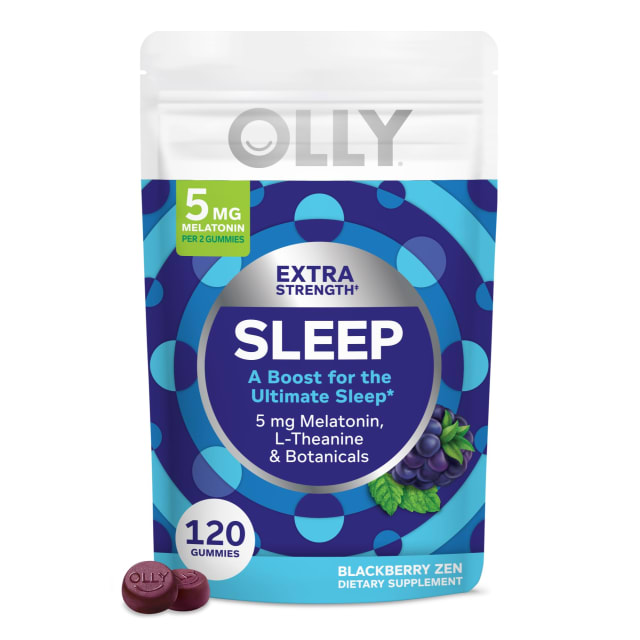
- Less is Often More: Higher doses (5-10 mg) can lead to next-day grogginess and may not be more effective for phase-shifting. Always start with the lowest effective dose.
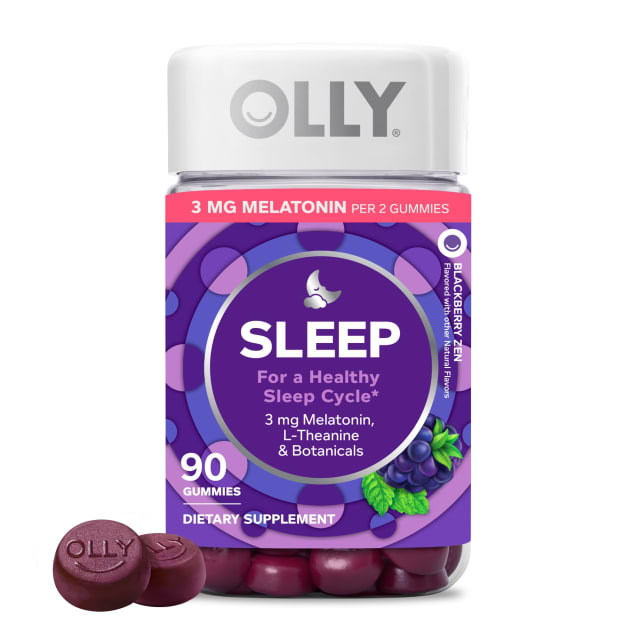
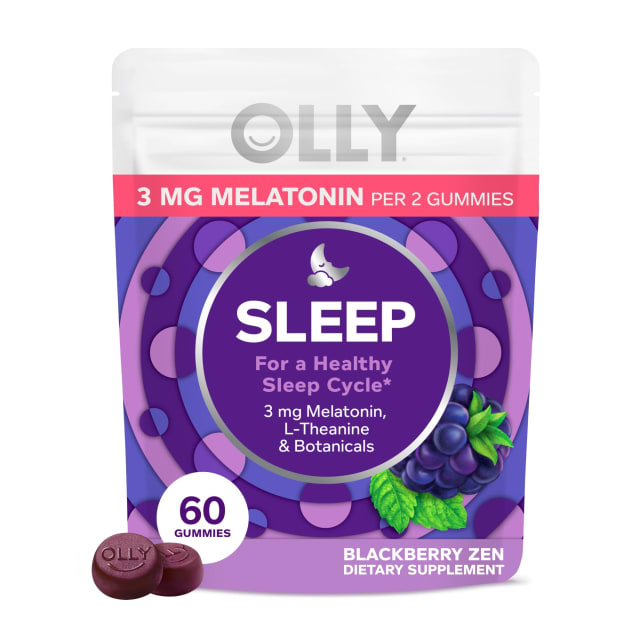
- Check the Label: Gummy potency can vary widely. Scrutinize the supplement facts panel to know exactly how much melatonin you are taking per gummy.
What to Look for in a Quality Melatonin Gummy
Not all gummies are created equal. Here’s a checklist for selecting a high-quality product:
| Feature | What to Look For | Why It Matters |
|---|---|---|
| Melatonin Dose | Clearly stated, preferably in the 0.5-3 mg range. | Ensures you can take an appropriate, non-sedating dose for clock resetting. |
| Supporting Ingredients | L-theanine (for calm focus), chamomile, magnesium, or lemon balm. | These natural sleep-promoting compounds can enhance relaxation without heavy sedation. |
| Sugar Content | Low sugar, or sweetened with alternatives like stevia or monk fruit. | Prevents unnecessary sugar intake, especially important before bed. |
| Third-Party Testing | Certification from USP, NSF, or ConsumerLab.com. | Verifies that the product contains what the label says and is free from contaminants. |
| Other Ingredients | Clean list, free from excessive artificial colors, flavors, or preservatives. | Reduces the intake of unnecessary additives. |
Important Considerations and Potential Side Effects
Melatonin is generally well-tolerated for short-term use, like jet lag recovery, but it’s not without considerations.
- Daytime Drowsiness: Taking too high a dose or taking it too late can cause grogginess the next morning.
- Vivid Dreams or Nightmares: Some individuals report more intense dreams.
- Mild Digestive Issues: Nausea or headache can occur, though it’s less common.
- Hormonal Interactions: It may interact with immunosuppressants, diabetes medications, blood thinners, and certain contraceptives.
- Not a Sedative: It will not force sleep in a stimulating environment (e.g., a bright, noisy airplane cabin). It works best in conjunction with good sleep hygiene.
Who Should Avoid or Consult a Doctor: Pregnant or breastfeeding women, individuals with autoimmune disorders, those with seizure disorders, and people taking other medications should consult a healthcare provider before use.
Synergistic Strategies: Beyond the Gummy
For best results, pair melatonin gummies with non-supplemental jet lag strategies:
- Master Light Exposure: Light is the most powerful zeitgeber. Seek bright morning light after westward travel to help delay your clock. Seek evening light after eastward travel to help advance it. Use sunglasses strategically.
- Hydrate Relentlessly: Dehydration exacerbates jet lag. Drink plenty of water before, during, and after your flight. Avoid alcohol and caffeine, which dehydrate and disrupt sleep.
- Adjust Immediately: As soon as you board the plane, set your watch to your destination’s time zone. Eat and sleep according to that new schedule if possible.
- Create a Sleep Sanctuary: Use an eye mask, earplugs, or white noise to create a dark, quiet environment conducive to sleep at your local bedtime.
Frequently Asked Questions (FAQ)
Q: How many days should I take melatonin gummies for jet lag? A: Typically, for 2-5 nights after arrival, or until you feel your sleep pattern has normalized to the local time. It is intended for short-term use to reset your clock, not as a long-term sleep aid.
Q: Can I take a melatonin gummy on the plane? A: It can be effective if timed correctly. If it is nighttime at your destination, taking a gummy 30-60 minutes before you plan to sleep on the plane may help you doze off and start the adjustment process. Ensure you have a sleep mask and earplugs to create a dark, quiet environment.
Q: What’s the difference between melatonin and other sleep aids? A: Melatonin is a hormone that regulates timing. Over-the-counter sleep aids (like diphenhydramine) are antihistamines that induce drowsiness by a different mechanism and are more likely to cause next-day grogginess and tolerance. Melatonin works with your biology to shift your cycle.
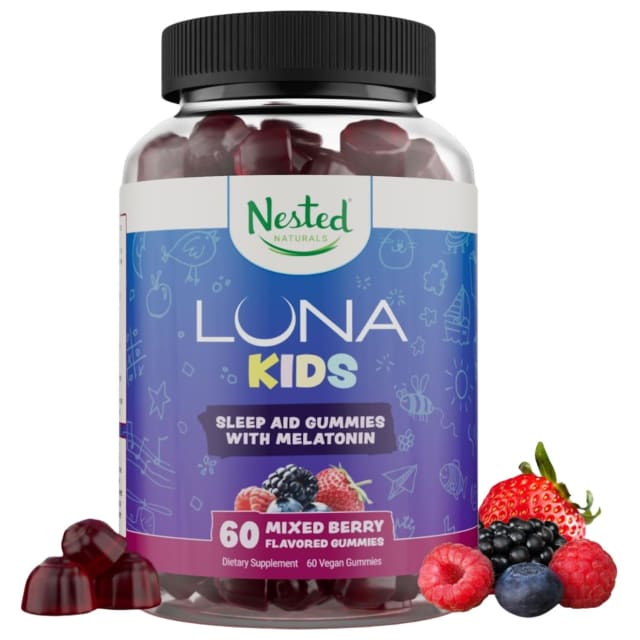
Q: Are melatonin gummies safe for children to use for jet lag? A: The use of melatonin in children should only be undertaken under the guidance of a pediatrician. A child’s circadian rhythm and hormonal system are still developing, and a professional can advise on appropriateness and dosing.
Q: Why might I feel groggy after taking a melatonin gummy? A: This is often a sign of too high a dose, taking it too late, or a formulation with overly sedating additional ingredients. Try a lower dose (e.g., 1 mg or less) and take it 30 minutes before bed, not right as you lie down.
Q: Can I become dependent on melatonin gummies? A: Melatonin is not considered addictive in the traditional sense. It does not create a chemical dependency. However, relying on any supplement for sleep can create a psychological habit. It is best used as a short-term tool for specific situations like jet lag.
Final Thoughts
Melatonin gummies can be a highly effective, convenient tool in the traveler’s toolkit for mitigating jet lag. Their success lies not in being a magic pill, but in their ability to strategically reinforce your body’s natural sleep-signaling system. By choosing a quality product, adhering to precise timing and low dosing, and combining supplementation with smart behavioral strategies like light management, you can significantly shorten your recovery time. This allows you to move more swiftly from feeling out-of-sync to being fully present, ready to enjoy the sights, sounds, and experiences of your new destination. Always remember that individual responses can vary, and consulting with a healthcare provider before starting any new supplement regimen is a prudent step, especially for those with underlying health conditions.
Affiliate Disclosure
Gummy.mom may earn a commission from purchases made through links on this page. This helps support our research and content creation. We only recommend products we genuinely believe in and have thoroughly researched.