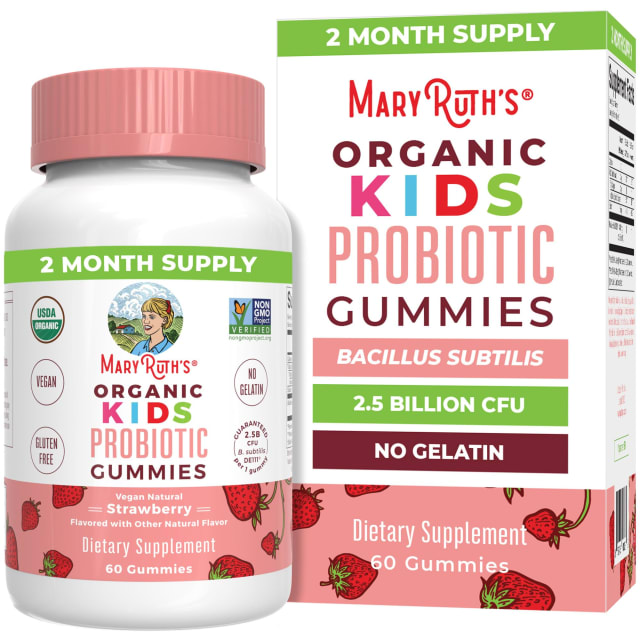
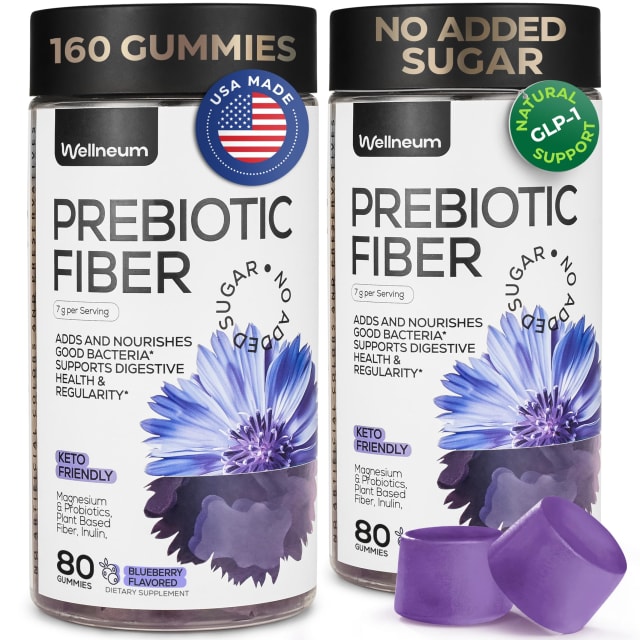
Probiotic Gummies for Bloating: A Complete Guide to Digestive Relief
For many, bloating is an uncomfortable and frustrating reality that can disrupt daily life. The search for relief often leads to the supplement aisle, where probiotic gummies have emerged as a popular, palatable option. This comprehensive guide explores the science behind probiotic gummies for bloating, detailing how they work, what to look for, and how to use them effectively for digestive harmony.
Understanding Bloating and the Gut Connection
Bloating is characterized by a feeling of fullness, tightness, or swelling in the abdomen. It's often accompanied by visible distension and can be caused by a variety of factors, including diet, stress, hormonal fluctuations, and underlying digestive conditions like Irritable Bowel Syndrome (IBS). A primary contributor, however, is an imbalance in the gut microbiome—the vast community of bacteria living in the digestive tract.
When harmful bacteria outnumber beneficial ones, it can lead to excessive gas production, slowed digestion, and inflammation, all of which manifest as bloating. This state of imbalance is known as dysbiosis. The goal of introducing probiotics is to restore a healthy balance, crowding out problematic bacteria and supporting the digestive processes that reduce gas and bloating.
How Probiotic Gummies Work to Alleviate Bloating
Probiotic gummies deliver specific strains of beneficial live bacteria to the digestive system. Their mechanism for reducing bloating is multi-faceted:
- Restoring Microbial Balance: They directly add beneficial bacteria (like Lactobacillus and Bifidobacterium species) to the gut, helping to correct dysbiosis.
- Improving Digestion: Certain probiotic strains aid in the breakdown of foods and fibers that are otherwise difficult to digest, reducing the substrate available for gas-producing bacteria.
- Strengthening the Gut Barrier: A healthy gut lining prevents undigested food particles and toxins from leaking into the bloodstream (a concept known as "leaky gut"), which can cause inflammation and bloating. Some probiotics help maintain the integrity of this barrier.
- Modulating Gut Motility: Probiotics can help regulate the speed at which food moves through the intestines, addressing both constipation and rapid transit that contribute to bloating.
The gummy format offers a convenient and tasty alternative to capsules or powders, potentially improving consistency—a key factor in probiotic success.
Key Ingredients to Look For in a Quality Probiotic Gummy
Not all probiotic gummies are created equal. Understanding the label is crucial for selecting an effective product.
1. Specific Probiotic Strains
Research indicates that certain strains are particularly effective for bloating and digestive issues. Look for gummies containing:
- Lactobacillus acidophilus: A well-researched strain that supports overall gut balance and nutrient absorption.
- Bifidobacterium lactis: Shown to improve digestive comfort and reduce bloating and abdominal pain.
- Lactobacillus plantarum: Known for its resilience and ability to support a healthy inflammatory response in the gut.
- Bifidobacterium longum: Helps break down carbohydrates and can ease digestive discomfort.
2. Colony Forming Units (CFUs)
CFU indicates the number of viable bacteria in a dose. For general digestive support and bloating, a range of 1 to 10 billion CFUs is often sufficient. Higher isn't always better; the strain specificity and survivability are more important than an extremely high count.
3. The Inclusion of Prebiotics
Many high-quality gummies also include prebiotics, such as inulin or fructooligosaccharides (FOS). Prebiotics are dietary fibers that act as food for probiotics, helping them thrive and colonize in the gut. This combination is sometimes called a synbiotic.
4. Clean Formulation
Examine the ingredient list for:
- Minimal Added Sugar: While some sugar is necessary for the gummy base, excessive amounts can feed harmful gut bacteria. Look for gummies sweetened with natural sources like organic cane sugar, tapioca syrup, or stevia.
- Unnecessary Fillers: Avoid excessive artificial colors, flavors, or preservatives.
- Dietary Accommodations: Many gummies are gelatin-free (using pectin instead), making them suitable for vegetarians and vegans.
Comparison of Common Probiotic Strains for Bloating
| Strain | Potential Benefits for Bloating | Key Characteristics |
|---|---|---|
| Lactobacillus acidophilus | Helps balance gut flora, may reduce gas production. | One of the most common and well-studied strains; resides in the small intestine. |
| Bifidobacterium lactis | Clinically studied for reducing abdominal distension and improving bowel function. | Highly resilient to stomach acid; commonly found in dairy products. |
| Lactobacillus plantarum | Can help manage IBS symptoms, including bloating and gas. | Very hardy strain that survives digestion well; supports gut barrier function. |
| Bifidobacterium longum | Aids in carbohydrate digestion, easing associated bloating. | Dominant strain in the large intestine; helps modulate the immune response. |
| Lactobacillus rhamnosus GG | May help reduce bloating, especially related to digestive distress. | Extensively researched strain with strong adhesion to gut lining. |
Practical Guide: Using Probiotic Gummies Effectively
To maximize the benefits of probiotic gummies for bloating, consider these actionable tips.
Dosing and Timing
Consistency is paramount. Most products recommend taking 1-2 gummies daily. For optimal results:
- Take them with a meal, preferably breakfast or dinner. The presence of food can help buffer stomach acid, allowing more bacteria to survive the journey to the intestines.
- Establish a routine. Take them at the same time each day to maintain stable levels of beneficial bacteria in your gut.
- Be patient. While some notice changes within a few days, it typically takes 2-4 weeks of consistent use to observe significant improvements in bloating, as the gut microbiome needs time to adjust.
What to Expect When Starting
An initial adjustment period is common. Some individuals may experience mild, temporary gas or changes in bowel habits as the gut flora shifts. This usually subsides within a week. Starting with a lower dose (one gummy) and gradually increasing can help mitigate this.
Lifestyle Synergy
Probiotic gummies are a supplement, not a standalone solution. For best results, pair them with:
- A diet rich in fiber from fruits, vegetables, and whole grains.
- Adequate hydration throughout the day.
- Mindful eating practices, such as chewing thoroughly and eating slowly to reduce air swallowing.
- Stress management techniques, as stress directly impacts gut motility and bacterial balance.
Important Considerations and Potential Side Effects
Probiotic gummies are generally safe for most healthy adults, but certain considerations are important.
- Immunocompromised Individuals: Those with severely compromised immune systems or critical illnesses should consult a doctor before use.
- Underlying Conditions: Individuals with Small Intestinal Bacterial Overgrowth (SIBO) should seek medical advice, as probiotics may not be suitable and could potentially exacerbate symptoms.
- Allergies and Sensitivities: Always check the label for potential allergens like gluten, soy, or dairy derivatives.
- Medication Interactions: While rare, probiotics can theoretically interact with immunosuppressant medications. A healthcare provider can offer personalized guidance.
- Sugar Content: Individuals monitoring blood sugar should account for the carbohydrates in gummies.
The most common side effects are mild and digestive in nature (gas, bloating) and typically resolve as the body adjusts.
Frequently Asked Questions (FAQ)
Q: How long will it take for probiotic gummies to work on my bloating? A: Timeframes vary by individual. Some may notice improvement within a few days, but most people need to take them consistently for 2 to 4 weeks to experience significant, sustained relief from bloating. The gut microbiome does not change overnight.
Q: Can I take probiotic gummies every day? A: Yes, daily use is recommended and generally safe for long-term maintenance of gut health. Consistency is key to populating the gut with beneficial bacteria. However, it's always wise to follow the specific dosage instructions on the product label.
Q: Are probiotic gummies as effective as capsules or pills? A: High-quality gummies can be equally effective if they contain clinically studied strains, an adequate CFU count, and are formulated for survivability. The primary advantage of gummies is palatability and convenience, which may improve adherence. Capsules may have an edge in delivering higher CFU counts or more sensitive strains without refrigeration.
Q: Should probiotic gummies be refrigerated? A: Check the label. Many modern gummies are shelf-stable due to the strains and manufacturing processes used. However, refrigeration can prolong the potency and shelf-life of any probiotic product, especially after opening. When in doubt, refrigerate.
Q: Do I need to take a probiotic with a prebiotic? A: It is beneficial but not mandatory. Prebiotics (found in foods like garlic, onions, and bananas, or added to supplements) act as fuel for probiotics. Taking them together—in a synbiotic formula or through diet—can enhance the growth and activity of the beneficial bacteria you're introducing.
Q: Can children take probiotic gummies for bloating? A: There are probiotic gummies specifically formulated for children. It is essential to choose a product designed for their age group with appropriate strains and CFU counts. Always consult with a pediatrician before starting any new supplement for a child.
Making an Informed Choice
Selecting the right probiotic gummy for bloating involves looking beyond marketing claims. Prioritize products that disclose their specific bacterial strains and CFU count at the time of expiration (not just at manufacturing). A transparent label with minimal added sugars and artificial ingredients is a hallmark of a quality supplement.
Ultimately, relieving bloating is a holistic endeavor. Probiotic gummies can be a powerful tool within a broader strategy that includes a balanced diet, proper hydration, and stress management. By understanding how they work and what to look for, individuals can make an informed decision to support their journey toward better digestive comfort and overall gut health.
Affiliate Disclosure
Gummy.mom may earn a commission from purchases made through links on this page. This helps support our research and content creation. We only recommend products we genuinely believe in and have thoroughly researched.