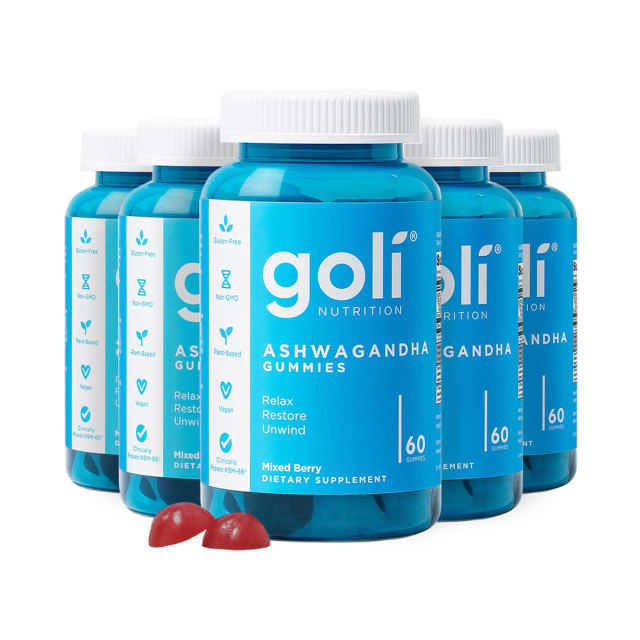
Ashwagandha Gummies for Anxiety: A Comprehensive Guide to Natural Stress Relief
In today's fast-paced world, the search for natural solutions to manage anxiety and chronic stress has led many to explore ancient herbal remedies. Among these, ashwagandha has emerged as a frontrunner, and its modern, convenient form—ashwagandha gummies—has gained significant popularity. This comprehensive guide delves into the science, benefits, and practical considerations of using ashwagandha gummies specifically for anxiety, providing the information needed to make an informed decision.
What is Ashwagandha? The Ancient Adaptogen for Modern Times
Ashwagandha (Withania somnifera) is a small shrub native to India, the Middle East, and parts of Africa. For over 3,000 years, it has been a cornerstone of Ayurvedic medicine, traditionally used to bolster vitality, enhance focus, and promote a sense of calm. Its name translates to "smell of the horse," alluding to its unique aroma and the traditional belief that it imparts the strength and stamina of a stallion.
Classified as an adaptogen, ashwagandha helps the body resist and adapt to physical, chemical, and biological stressors. Adaptogens work by modulating the body's stress-response system, the hypothalamic-pituitary-adrenal (HPA) axis, promoting a state of balance known as homeostasis.
The Science Behind Ashwagandha and Anxiety Relief
The growing use of ashwagandha for anxiety is supported by an expanding body of clinical research. Its anxiolytic (anxiety-reducing) effects are attributed to several key bioactive compounds, primarily withanolides.
Key Mechanisms of Action:
- Cortisol Management: Chronic stress leads to elevated cortisol, the body's primary stress hormone. Prolonged high cortisol is linked to anxiety, sleep disruption, and weight gain. Multiple studies have shown that ashwagandha supplementation can significantly reduce serum cortisol levels. One notable 2012 double-blind, randomized controlled trial found that participants taking ashwagandha extract reported markedly greater reductions in stress and cortisol levels compared to the placebo group.
- GABA Modulation: Ashwagandha is thought to influence gamma-aminobutyric acid (GABA) receptors in the brain. GABA is a neurotransmitter that has a calming, inhibitory effect on nerve transmissions. Some research suggests ashwagandha may act similarly to mild GABA-ergic drugs, promoting relaxation without sedation.
- Neuroprotection and Antioxidant Effects: Stress and anxiety are associated with oxidative damage in the brain. Ashwagandha possesses potent antioxidant properties that protect nerve cells from free radicals, potentially improving overall brain function and resilience to stress.
A 2019 systematic review of studies concluded that ashwagandha supplementation "significantly improves anxiety and stress symptoms compared to placebo" and is a promising option for those seeking natural support.
Why Choose Ashwagandha Gummies for Anxiety?
While ashwagandha is available in capsules, powders, and tinctures, gummies offer a set of unique advantages, especially for those managing anxiety.
- Palatability and Consistency: The often bitter, earthy taste of ashwagandha powder can be a barrier. Gummies mask this flavor with natural sweeteners, making daily compliance easier and more enjoyable.
- Convenience and Portability: They require no water or measuring, making them easy to take on-the-go, at work, or as part of a morning or evening routine without disruption.
- Ease of Dosing: Each gummy typically contains a precise, pre-measured dose, eliminating guesswork.
- Psychological Appeal: The simple act of taking a pleasant-tasting gummy can be a small, positive ritual in one's day, which in itself can be calming.
Key Benefits of Ashwagandha Gummies Beyond Anxiety
While the focus is on anxiety relief, ashwagandha's adaptogenic nature means its benefits are holistic. Users often report improvements in several interconnected areas:
- Stress Relief: By modulating the stress response, ashwagandha helps promote a calmer, more balanced reaction to daily pressures.
- Mood Support: Reduced stress and cortisol levels can naturally lead to a more stable and positive mood outlook.
- Energy & Focus: Unlike stimulants that can exacerbate anxiety, ashwagandha may improve energy and cognitive function by alleviating the mental fatigue caused by chronic stress. This allows for better concentration and mental clarity.
- Sleep Quality: Anxiety is a common culprit behind sleep difficulties. By calming the nervous system, ashwagandha can support the body's natural transition into restful sleep, particularly when taken in the evening.
- Cortisol Management: As a cornerstone of its mechanism, regulating cortisol helps mitigate the wide-ranging negative effects of this hormone, from weight management to immune function.
What to Look for When Choosing Ashwagandha Gummies
Not all ashwagandha gummies are created equal. Quality and formulation are critical for effectiveness and safety.
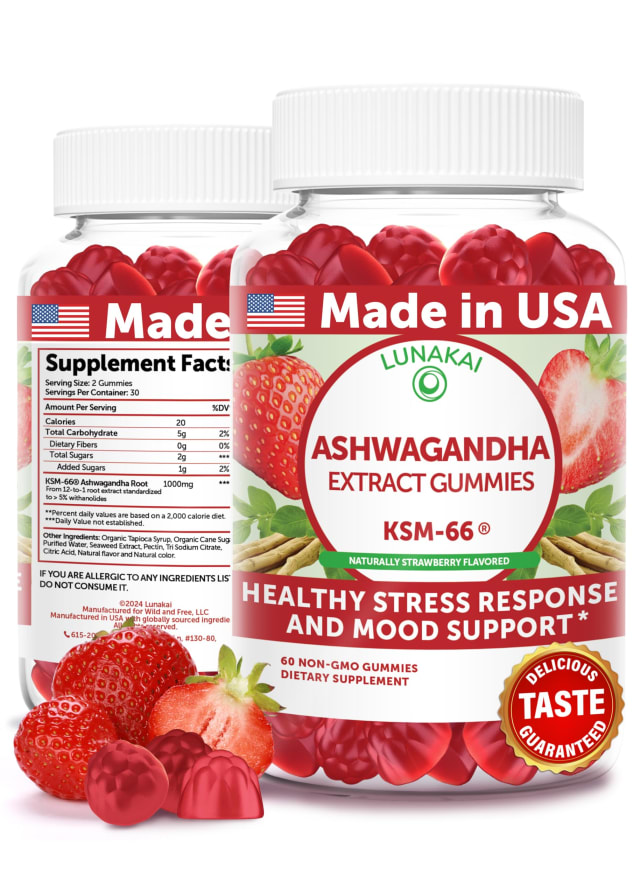
1. Standardized Extract and Potency: Look for gummies made with a standardized extract, such as KSM-66® or Sensoril®. These are clinically studied, high-concentration extracts that guarantee a consistent level of active withanolides (typically 5% or higher). KSM-66 is a full-spectrum root extract often associated with energy and stress relief, while Sensoril is a blend of root and leaf known for its calming properties.
2. Withanolide Content: The therapeutic effects are linked to withanolides. A daily dose of 250-600 mg of a standardized extract is common in research. Ensure the supplement facts label clearly states the amount of ashwagandha extract and its withanolide percentage.
3. Ingredient Quality and Transparency:
- Sweeteners: Opt for gummies sweetened with natural sources like organic cane sugar, tapioca syrup, or fruit juices. Avoid high fructose corn syrup.
- Gelatin vs. Pectin: Gelatin (bovine or porcine) provides the classic gummy texture. Pectin, derived from fruit, is a plant-based alternative suitable for vegetarians and vegans.
- Additives: Choose products with minimal artificial colors, flavors, or preservatives. Clean, transparent labeling is a hallmark of a quality brand.
4. Third-Party Testing: Reputable brands have their products tested by independent labs (like USP, NSF, or ConsumerLab) for purity, potency, and the absence of contaminants like heavy metals or pesticides. Look for a certificate of analysis (COA) or testing seal on the website or bottle.
Comparing Key Forms of Ashwagandha
| Feature | Ashwagandha Gummies | Ashwagandha Capsules | Ashwagandha Powder |
|---|---|---|---|
| Taste | Pleasant, flavored, easy to take | Neutral (tasteless if swallowed) | Earthy, bitter, acquired taste |
| Convenience | High, portable, no water needed | High, portable, requires water | Low, requires mixing/measuring |
| Absorption | Good (with food) | Excellent | Excellent (can be mixed with fats) |
| Dosing Precision | High (pre-measured) | High (pre-measured) | Variable (requires scoop) |
| Ideal For | Those who dislike pills/powders, seeking a tasty routine | Those prioritizing potency & straightforward dosing | Those who enjoy adding to smoothies/recipes |
| Cost | Often higher per dose | Moderate | Often lower per dose |
Practical Advice: Dosing, Timing, and What to Expect
Dosing: A standard dose in ashwagandha gummies ranges from 150 mg to 300 mg of standardized extract per gummy. Most clinical studies use doses between 250-600 mg daily. It is generally recommended to start at the lower end of the dosage range (e.g., one gummy daily) to assess tolerance before increasing, if needed, to two gummies per day (often taken morning and evening).
Timing for Anxiety:
- For General Daytime Calm & Focus: Taking a gummy in the morning with breakfast can help modulate the body's stress response throughout the day.
- For Evening Relaxation & Sleep Support: Taking a gummy 1-2 hours before bedtime can leverage its calming properties to quiet the mind and prepare for sleep.
- For Significant Anxiety: Some protocols suggest splitting the dose—taking one gummy in the morning and one in the evening—to maintain stable support.
What to Expect: Ashwagandha is not an instant-acting pharmaceutical. As an adaptogen, its effects are cumulative and subtle. Most people begin to notice a perceived difference in their stress reactivity and overall calmness within 2-4 weeks of consistent use. Full benefits are typically observed after 8-12 weeks of continuous supplementation. Consistency is key.
Important Considerations and Potential Side Effects
Ashwagandha is generally well-tolerated by most adults when used appropriately. However, responsible use requires awareness of potential considerations.
Potential Side Effects:
- Gastrointestinal Discomfort: Some may experience mild upset stomach, diarrhea, or nausea, especially at higher doses.
- Drowsiness: Due to its calming effects, it may cause drowsiness in some individuals, underscoring why timing is important.
- Thyroid Interaction: Ashwagandha may increase thyroid hormone levels. Individuals with thyroid conditions, especially hyperthyroidism or those on thyroid medication, should consult a doctor before use.
- Blood Pressure and Sugar: It may slightly lower blood pressure and blood sugar levels. Those with hypotension, diabetes, or on related medications should use caution and monitor levels.
Who Should Avoid or Use with Caution:
- Pregnant or breastfeeding women should avoid ashwagandha due to a lack of comprehensive safety data.
- Individuals with autoimmune diseases (e.g., rheumatoid arthritis, lupus, multiple sclerosis) should consult a physician, as adaptogens can potentially stimulate the immune system.
- Those scheduled for surgery should discontinue use at least two weeks prior due to its potential effects on the central nervous system and blood pressure.
- People taking sedatives, anti-anxiety medications, or blood thinners must speak with a healthcare provider to avoid potential interactions.
The Critical First Step: Before starting any new supplement regimen, particularly for a condition like anxiety, it is imperative to consult with a qualified healthcare professional. They can provide personalized advice, ensure it does not interact with existing conditions or medications, and help integrate it into a holistic wellness plan.
Frequently Asked Questions (FAQ)
Q1: How long does it take for ashwagandha gummies to work for anxiety? A: While some may feel subtle effects sooner, significant, noticeable reductions in anxiety symptoms typically build over 2-4 weeks of consistent daily use. The adaptogenic effects are cumulative, so patience and regularity are important.
Q2: Can I take ashwagandha gummies with my prescription anxiety medication? A: Do not combine ashwagandha with prescription anxiolytics (like SSRIs or benzodiazepines) without explicit approval from your prescribing doctor. There is potential for additive sedative effects or interactions. A healthcare provider can advise on the safety and appropriateness of combining therapies.
Q3: Are ashwagandha gummies safe for long-term use? A: Most clinical studies last 8-12 weeks, demonstrating safety within that timeframe. Traditional Ayurvedic practice often involves cycles of use. For long-term, continuous use beyond 3-6 months, it is prudent to discuss with a healthcare practitioner. Some choose to cycle the supplement (e.g., 5 days on, 2 days off, or taking it for 3-month periods with a 1-month break).
Q4: What's the difference between KSM-66 and other ashwagandha in gummies? A: KSM-66 is a specific, patented, full-spectrum root extract standardized to contain at least 5% withanolides. It is one of the most clinically researched forms of ashwagandha, produced using a solvent-free extraction process. Its reputation is for supporting stress relief, energy, and physical performance. Other extracts, like Sensoril, may be standardized differently and have slightly different effect profiles.
Q5: Can ashwagandha gummies make you sleepy? A: They can have a relaxing, calming effect that may lead to drowsiness in some individuals, especially at higher doses. This is why many people prefer taking them in the evening. If taking them during the day, start with a low dose to assess your individual response.
Q6: Are there any dietary restrictions (vegan/vegetarian) to consider? A: Yes. Traditional gummies use gelatin (derived from animal collagen). Many ashwagandha gummies now use pectin, a plant-based gelling agent from fruit, making them suitable for vegetarians and vegans. Always check the label for "plant-based," "vegan," or the ingredient list for pectin versus gelatin.
Conclusion: A Tool for Your Wellness Toolkit
Ashwagandha gummies for anxiety represent a compelling fusion of ancient wisdom and modern convenience. Backed by growing scientific evidence for their role in cortisol management, stress relief, and mood support, they offer a palatable and accessible form of a powerful adaptogen.
However, they are not a magic bullet. They work best as part of a holistic approach to managing anxiety, which should also include foundational practices like balanced nutrition, regular physical activity, quality sleep, mindfulness, and professional therapy when needed. By choosing a high-quality product, following sensible dosing guidelines, and partnering with a healthcare provider, individuals can thoughtfully explore whether ashwagandha gummies are a beneficial component of their journey toward greater calm and resilience.
Affiliate Disclosure
Gummy.mom may earn a commission from purchases made through links on this page. This helps support our research and content creation. We only recommend products we genuinely believe in and have thoroughly researched.