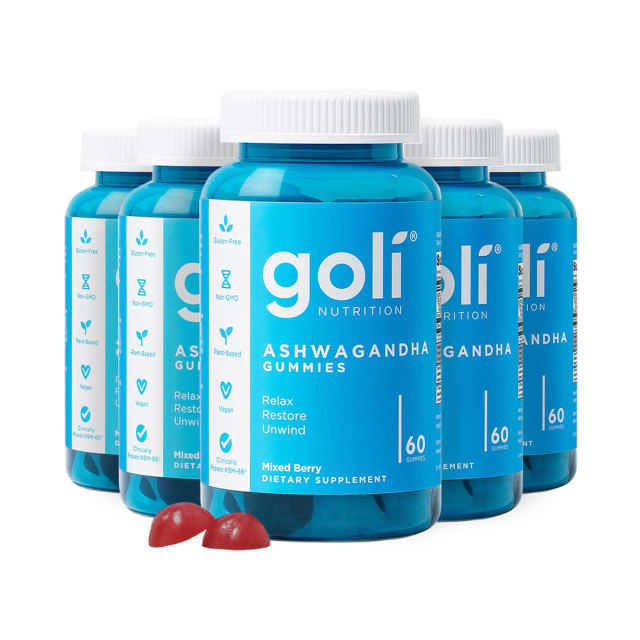
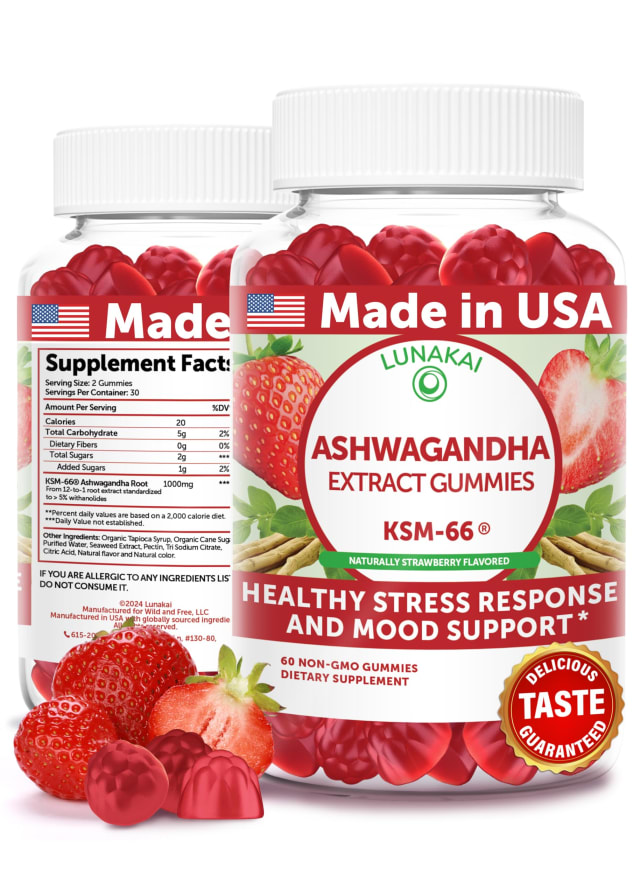
Ashwagandha Gummies for Sleep: Your Comprehensive Guide to Restful Nights
Tossing and turning, watching the clock, and waking up feeling unrested—poor sleep is a common struggle that can impact every facet of life. In the search for natural sleep support, many have turned their attention to an ancient herbal remedy now available in a modern, convenient form: ashwagandha gummies. These chewy supplements promise not only to ease the path to sleep but to address the underlying stress that often keeps us awake. This guide delves deep into the science, benefits, and practical considerations of using ashwagandha gummies specifically for improving sleep quality.
What is Ashwagandha? The Ancient Root of Modern Wellness
Ashwagandha (Withania somnifera) is a cornerstone herb in Ayurvedic medicine, a traditional healing system from India that dates back over 3,000 years. Its name, translating to "smell of the horse" in Sanskrit, hints at its traditional use for imparting the strength and vitality of a stallion. More importantly, its species name—somnifera—means "sleep-inducing" in Latin, directly pointing to its historical role in supporting rest.
Classified as an adaptogen, ashwagandha helps the body resist and adapt to physical, chemical, and biological stressors. Adaptogens work by modulating the body's stress-response system, particularly the hypothalamic-pituitary-adrenal (HPA) axis, which governs the release of stress hormones like cortisol.
Key Active Compounds
The benefits of ashwagandha are attributed to a group of naturally occurring compounds called withanolides. These steroidal lactones are believed to be responsible for the herb's anti-stress, anti-inflammatory, and neuroprotective effects. The potency of an ashwagandha supplement is often standardized to a specific percentage of withanolides, ensuring consistency and efficacy.
The Science of Sleep and Stress: How Ashwagandha Intervenes
To understand how ashwagandha gummies can aid sleep, one must first understand the intimate link between stress and sleeplessness. The body's stress response, designed for short-term "fight or flight" situations, can become chronically activated in modern life. This leads to elevated levels of cortisol, a hormone that should naturally dip in the evening to allow for melatonin production and the onset of sleep.
When cortisol remains high at night, it:
- Inhibits melatonin secretion.
- Increases alertness and mental arousal.
- Raises heart rate and body temperature—all states antithetical to falling asleep.
The Mechanism: Ashwagandha's Path to Better Sleep
Research suggests ashwagandha gummies for sleep may work through several interconnected mechanisms:
-
Cortisol Management: Multiple human studies have shown that ashwagandha supplementation can significantly reduce serum cortisol levels. A 2019 review of studies concluded that ashwagandha was associated with greater reductions in stress and cortisol compared to placebo. By helping to regulate this key stress hormone, ashwagandha creates a biochemical environment more conducive to sleep.
-
GABA Receptor Activity: Some research indicates that certain withanolides may have a GABA-mimetic effect. GABA (gamma-aminobutyric acid) is the brain's primary inhibitory neurotransmitter, promoting relaxation and quieting nervous activity. By supporting GABA pathways, ashwagandha may help calm an overactive mind at bedtime.
-
Improved Sleep Architecture: Beyond just helping people fall asleep, studies suggest ashwagandha may improve the quality of sleep. A randomized, double-blind, placebo-controlled study published in 2020 found that participants taking ashwagandha root extract had significant improvements in sleep quality, sleep onset latency (the time it takes to fall asleep), and total sleep time. It also showed potential for increasing slow-wave sleep (deep sleep), which is crucial for physical restoration.
-
Addressing Root Causes: By mitigating feelings of stress and anxiety, ashwagandha helps quiet the psychological rumination and worry that are frequent barriers to sleep. Improved mood and a calmer baseline state throughout the day naturally lead to an easier transition to sleep at night.
Key Benefits of Ashwagandha Gummies: Beyond Sleep
While the focus here is on sleep, the benefits of ashwagandha are holistic and interconnected. A good night's sleep is often the result of a better day.
- Stress Relief & Cortisol Management: This is the flagship benefit. By modulating the stress response, ashwagandha helps foster a state of resilience and calm.
- Mood Support: Research points to ashwagandha's potential anxiolytic (anti-anxiety) and antidepressant effects, likely linked to its influence on neurotransmitters and stress pathways.
- Energy & Vitality: Unlike stimulants that provide a jittery rush, ashwagandha is thought to support energy by reducing fatigue associated with chronic stress, thereby improving daytime functioning.
- Focus & Cognitive Function: Reduced stress and better sleep naturally enhance cognitive clarity. Some studies specifically note improvements in memory, reaction time, and task performance.
Why Choose Gummies? The Delivery Format Advantage
Ashwagandha is available in powders, capsules, and tinctures, so why opt for gummies?
- Convenience & Palatability: Gummies are easy to take, require no water, and mask the earthy, bitter taste of ashwagandha root that some find unpleasant.
- Consistent Dosing: Each gummy provides a precise dose, eliminating the guesswork of powders.
- Compliance: The enjoyable format can improve adherence to a daily supplement regimen.
- Portability: They are easy to pack and take while traveling.
However, it is crucial to choose high-quality gummies, as the format can sometimes include added sugars, artificial colors, or lower concentrations of the active ingredient.
What to Look for in Quality Ashwagandha Gummies for Sleep
Not all ashwagandha gummies are created equal. When selecting a product, these factors are critical:
- Standardized Extract: Look for gummies made with a standardized extract, such as KSM-66® or Sensoril®. KSM-66 is a full-spectrum root extract standardized to 5% withanolides and is one of the most clinically researched forms. Sensoril is another patented extract known for its efficacy. Standardization guarantees a consistent, potent level of active compounds.
- Withanolide Content: Check the label for the withanolide percentage (e.g., "standardized to 5% withanolides"). This is a key marker of potency.
- Dosage per Serving: Clinical studies on sleep and stress often use doses in the range of 300-600 mg of ashwagandha root extract daily. Ensure the gummy dosage aligns with this. A common configuration is 300 mg per gummy, with a serving size of 1-2 gummies.
- Sugar & Additives: Opt for gummies with minimal added sugar, using natural sweeteners like organic cane sugar, tapioca syrup, or fruit juices. Avoid artificial colors and flavors where possible.
- Third-Party Testing: Products that are third-party tested for purity, potency, and heavy metals (like lead, arsenic, mercury) provide an extra layer of safety and quality assurance. Look for certifications or lab reports (COAs).
Ashwagandha Gummies vs. Other Sleep Aids: A Comparison
| Feature | Ashwagandha Gummies | Melatonin Supplements | Prescription Sleep Aids | Valerian Root |
|---|---|---|---|---|
| Primary Action | Adaptogen: addresses stress, lowers cortisol, promotes relaxation. | Hormone: directly signals the brain that it's time for sleep. | Varies: often CNS depressants (e.g., benzodiazepines, "Z-drugs"). | Herb: may increase GABA, mild sedative effect. |
| Best For | Stress-related insomnia, improving sleep quality & architecture. | Jet lag, circadian rhythm reset (shift work). | Severe, acute insomnia under doctor's care. | Mild sleep onset difficulties. |
| Onset of Action | Cumulative (days to weeks of consistent use). | Within 30-60 minutes. | Rapid (within minutes). | Varies; often within an hour. |
| Risk of Dependence | Very low. | Low. | Can be high. | Very low. |
| Daytime Side Effects | Rare at proper doses; possible mild drowsiness initially. | "Hangover" drowsiness, vivid dreams. | Next-day drowsiness, dizziness, cognitive impairment. | Possible drowsiness. |
| Key Consideration | Works on root cause (stress); benefits extend beyond sleep. | Not for long-term daily use; can disrupt natural melatonin production. | Risk of tolerance, dependence, and side effects. | Evidence is mixed; strong odor. |
Practical Guide: Using Ashwagandha Gummies for Sleep Effectively
Dosing and Timing
For sleep purposes, the timing of your dose can be strategic.
- Standard Dose: Most studies use 300-600 mg of a standardized extract daily.
- Timing for Sleep: Taking your gummies 30-60 minutes before bedtime is common. However, some people find that taking one gummy in the morning and one at night helps maintain lower cortisol levels throughout the day, leading to better sleep at night. Personal experimentation is key.
- Consistency is Crucial: As an adaptogen, ashwagandha works best with consistent, daily use over time. Significant improvements in sleep and stress are typically noticed after 4-8 weeks of continuous supplementation.
What to Expect
Initial effects, like a subtle sense of calm, may be felt within the first week. Improvements in sleep onset and quality often follow in the subsequent weeks. It is not a sedative, so it should not cause immediate, heavy drowsiness.
Important Considerations and Potential Side Effects
Ashwagandha is generally well-tolerated by most adults when used appropriately. However, considerations include:
- Mild Side Effects: Some may experience mild digestive upset, drowsiness, or headache, especially when starting.
- Pregnancy & Breastfeeding: Not recommended due to a lack of sufficient safety data.
- Autoimmune Conditions: As ashwagandha may stimulate the immune system, individuals with conditions like rheumatoid arthritis, lupus, or Hashimoto's thyroiditis should consult a doctor.
- Surgery & Medication Interactions: It may interact with sedatives, thyroid hormone medication, and drugs for diabetes or blood pressure. Discontinue use at least two weeks before any scheduled surgery. It is imperative to consult with a healthcare provider before starting any new supplement, especially if you have a pre-existing health condition or are taking medication.
Frequently Asked Questions (FAQ)
Q1: How long does it take for ashwagandha gummies to work for sleep? A: While some may feel initial calming effects quickly, significant improvements in sleep quality, such as falling asleep faster and experiencing deeper sleep, typically build with consistent use over 4 to 8 weeks.
Q2: Can I take ashwagandha gummies every night? A: Yes, for most people, daily use is recommended to achieve and maintain the adaptogenic benefits. It is designed for medium-to-long-term use rather than as an occasional sleep aid. However, some practitioners suggest taking periodic breaks, such as cycling off for one week after every 6-8 weeks of use.
Q3: Will ashwagandha gummies make me groggy in the morning? A: Properly dosed ashwagandha should not cause next-day grogginess like some sleep aids. Its goal is to support natural sleep cycles and lower stress, not to act as a strong sedative. If morning drowsiness occurs, consider trying a lower dose or taking it earlier in the evening.
Q4: Are there any people who should avoid ashwagandha? A: Yes. Pregnant or breastfeeding women, individuals with autoimmune diseases, and those scheduled for surgery should avoid it. People taking medication for thyroid, blood sugar, blood pressure, or sedatives should consult a doctor due to potential interactions.
Q5: Can I take ashwagandha gummies with melatonin? A: It is possible, and some supplements combine them. They work through different mechanisms—ashwagandha addresses stress, while melatonin signals sleep timing. However, combining supplements should be done cautiously and ideally under the guidance of a healthcare professional to avoid excessive drowsiness.
Q6: What is KSM-66, and why is it mentioned on some labels? A: KSM-66 is a specific, patented, full-spectrum extract of ashwagandha root, clinically studied for stress and sleep benefits. It is standardized to contain at least 5% withanolides. Seeing "KSM-66" on a label is a good indicator of a high-quality, researched source of ashwagandha.
Conclusion: A Natural Partner for Peaceful Sleep
Ashwagandha gummies for sleep represent a compelling fusion of ancient wisdom and modern convenience. By targeting the root cause of much modern sleeplessness—chronic stress and dysregulated cortisol—they offer a holistic path to improved sleep quality and overall daytime resilience. While not an instant sedative, their value lies in their cumulative, adaptogenic action that supports the body's innate ability to find balance and rest.
Success with ashwagandha gummies hinges on selecting a high-quality, standardized product, using it consistently at an effective dose, and pairing it with good sleep hygiene practices like a regular bedtime, a dark/cool room, and limiting screen time before bed. For those seeking a natural, evidence-based approach to break the cycle of stress and sleeplessness, ashwagandha gummies may be a valuable and gentle ally on the journey to reclaiming restful nights and more vibrant days. As always, this information is for educational purposes, and consulting with a qualified healthcare practitioner is the essential first step for any new health regimen.
Affiliate Disclosure
Gummy.mom may earn a commission from purchases made through links on this page. This helps support our research and content creation. We only recommend products we genuinely believe in and have thoroughly researched.