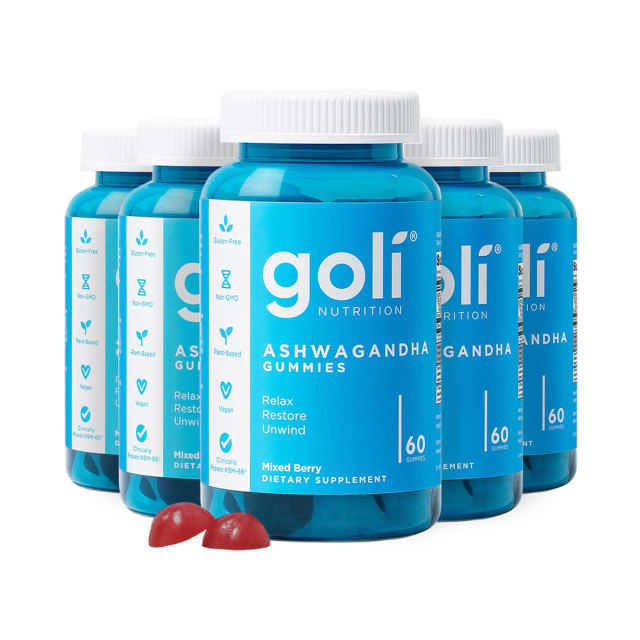
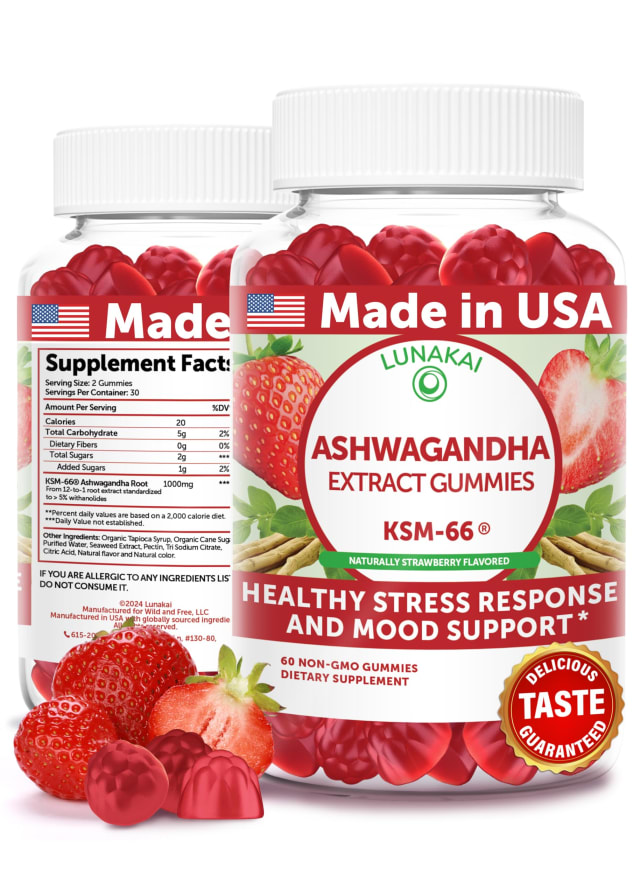
Ashwagandha Gummies Side Effects: A Comprehensive Guide to Safe Use
Ashwagandha gummies have surged in popularity as a palatable and convenient way to harness the ancient power of this revered adaptogenic herb. Marketed for benefits like stress relief, mood support, and enhanced focus, these chewy supplements make integrating ashwagandha into a daily routine simple. However, as with any supplement that exerts a physiological effect, understanding the potential side effects is crucial for safe and effective use. This comprehensive guide delves into the science behind ashwagandha, the specific considerations for the gummy format, and provides actionable advice to help you navigate your wellness journey informed and confident.
Understanding Ashwagandha: The Ancient Adaptogen
Ashwagandha (Withania somnifera), also known as Indian ginseng or winter cherry, is a cornerstone of Ayurvedic medicine, used for over 3,000 years. Classified as an adaptogen, it helps the body manage and adapt to stress by modulating the body's stress response systems, particularly the hypothalamic-pituitary-adrenal (HPA) axis.
The primary bioactive compounds are withanolides, which are believed to contribute to its therapeutic effects. Many high-quality supplements, especially gummies, standardize their extract to a specific withanolide content (often 5% or higher) or use a branded, clinically studied extract like KSM-66, which is a full-spectrum root extract known for its high concentration of active constituents.
Key Mechanisms of Action:
- Cortisol Management: Ashwagandha has been shown in numerous studies to help regulate cortisol, the body's primary stress hormone. Elevated cortisol over long periods can disrupt sleep, metabolism, and immune function.
- Neurotransmitter Modulation: It may influence the activity of GABA (gamma-aminobutyric acid), a calming neurotransmitter in the brain, contributing to its anxiolytic effects.
- Antioxidant Activity: It supports the body's defense against oxidative stress, which is linked to cellular aging and various health conditions.
The Appeal and Specifics of the Gummy Format
Gummy supplements offer distinct advantages and some unique considerations compared to capsules, powders, or tinctures.
Advantages:
- Palatability: The pleasant taste masks the naturally bitter, earthy flavor of ashwagandha root.
- Convenience: Easy to take without water, ideal for on-the-go use.
- Compliance: The enjoyable format can improve consistency in taking the supplement daily.
Important Considerations for Gummies:
- Added Ingredients: Gummies require additional ingredients for texture, flavor, and shelf-stability. These often include:
- Sugars: Cane sugar, organic tapioca syrup, or sugar alcohols (like maltitol) for sweetness.
- Gelling Agents: Pectin (common in vegan gummies) or gelatin.
- Colors & Flavors: Natural fruit juices and flavors are preferable.
- Coating: Often a light oil (like sunflower or coconut oil) to prevent sticking.
- Precise Dosing: The amount of active ashwagandha extract per gummy is fixed. It is vital to check the Supplement Facts panel to know the exact dose per serving (usually 1-2 gummies).
- Bioavailability: The absorption of ashwagandha in gummy form can be influenced by the other ingredients in the matrix. Reputable brands design their formulas with bioavailability in mind.
Potential Side Effects and Considerations of Ashwagandha Gummies
For most people, ashwagandha is well-tolerated when taken at recommended doses. However, being aware of potential side effects ensures a positive experience. These effects can stem from the ashwagandha itself or, in some cases, from other ingredients in the gummy.
1. Gastrointestinal Discomfort
Some individuals may experience mild stomach upset, diarrhea, or nausea, especially when first starting the supplement or if taken on an empty stomach. This can sometimes be linked to the other gummy ingredients (like sugar alcohols) as much as the ashwagandha.
How to Mitigate: Take gummies with a meal or snack.
2. Sedation and Drowsiness
Given its Latin name somnifera ("sleep-inducing"), ashwagandha can have a calming, mildly sedative effect. For some, this is a desired benefit for evening relaxation. For others, taking it during the day could lead to unwanted drowsiness.
How to Mitigate: Experiment with timing. If drowsiness occurs, take the gummy in the evening. If using for daytime energy and focus (often a paradoxical effect of reduced stress), take it with breakfast.
3. Potential Interaction with Medications and Conditions
This is the most critical area for consideration. Ashwagandha can interact with certain medications and health conditions:
- Thyroid Medications: Ashwagandha may increase thyroid hormone levels. Individuals with thyroid conditions, especially hyperthyroidism or those on thyroid hormone medication (like levothyroxine), should use caution and consult a healthcare provider.
- Sedatives, Anti-Anxiety, and Antidepressant Medications: Due to its potential calming effects, combining it with CNS depressants (benzodiazepines, barbiturates) or other sedative drugs could amplify drowsiness.
- Blood Sugar and Blood Pressure Medications: Ashwagandha may lower blood sugar and blood pressure. Those on medication for diabetes (hypoglycemics) or hypertension should monitor their levels closely, as the combined effect could lead to levels that are too low.
- Autoimmune Diseases: As an immune-modulator, ashwagandha could potentially stimulate the immune system. Those with autoimmune conditions (e.g., rheumatoid arthritis, lupus, multiple sclerosis) are often advised to avoid it unless under medical supervision.
- Surgery: Due to its potential effects on blood pressure and blood sugar, it is typically recommended to discontinue ashwagandha at least two weeks before any scheduled surgical procedure.
4. "Ashwagandha Rage" or Agitation
A small subset of users report feelings of irritability, agitation, or a short temper. The mechanism isn't fully understood but may be related to an individual's unique neurochemical response or possibly taking too high a dose.
How to Mitigate: Start with the lowest effective dose. If irritability occurs, discontinue use.
5. Allergic Reactions
Though rare, allergic reactions to ashwagandha or any of the auxiliary ingredients in the gummy (like citric acid, fruit flavors, or coloring) are possible.
6. Considerations for Specific Populations
- Pregnancy and Breastfeeding: Traditionally, ashwagandha is not recommended during pregnancy due to potential abortifacient properties. Its safety during breastfeeding is not well-established. Avoid use unless explicitly approved by a qualified healthcare provider.
- Children: Safety and appropriate dosing for children have not been established. Use in children should only be under the guidance of a pediatrician.
Gummy-Specific Side Effect Comparison
| Potential Side Effect | Likely Linked to Ashwagandha | Likely Linked to Gummy Ingredients | Mitigation Strategy |
|---|---|---|---|
| Stomach Upset/Nausea | Possible, especially on empty stomach | Possible, from sweeteners/sugar alcohols | Take with food. Check gummy ingredients. |
| Diarrhea | Less common | More common, especially with sugar alcohols | Choose a gummy with minimal sugar alcohols. |
| Drowsiness | Primary cause | Unlikely | Take gummy in the evening. |
| Headache | Possible (often related to dosage) | Unlikely | Ensure proper hydration; reduce dose. |
| Allergic Reaction | Possible (to herb) | Possible (to flavors/colors) | Discontinue immediately. Review ingredient list. |
| Blood Sugar Changes | Primary cause (can lower glucose) | Possible (sugar content can raise it) | Monitor levels if diabetic. Choose low-sugar gummies. |
How to Choose and Use Ashwagandha Gummies Safely
Selecting a Quality Product:
- Standardized Extract: Look for gummies made with an extract standardized to at least 5% withanolides or a clinically studied brand like KSM-66 or Sensoril.
- Transparent Labeling: The label should clearly state the amount of ashwagandha root extract per serving (e.g., "600mg of Ashwagandha Root Extract").
- Third-Party Testing: Opt for brands that undergo third-party testing for purity, potency, and heavy metals (like USP, NSF, or ConsumerLab seals). This verifies what's on the label is in the bottle.
- Clean Ingredients: Prioritize gummies with minimal added sugar, natural flavors/colors, and no unnecessary artificial additives.
- Reputable Brand: Choose companies with a strong reputation for quality and transparency.
Dosing and Timing Guidelines:
- Start Low: Begin with the lowest recommended dose on the product label (often 1 gummy). Assess tolerance for 1-2 weeks before considering an increase.
- Standard Dose: Most clinical studies use doses between 300-600mg of a root extract daily. For gummies, this total is typically delivered in 1-2 pieces.
- Cycling: A common practice with adaptogens is to cycle their use—for example, taking them for 6-8 weeks followed by a 1-2 week break. This may help prevent the body from building a tolerance and allows for reassessment of needs.
- Optimal Timing:
- For Sleep/Relaxation: Take 1-2 gummies 1-2 hours before bedtime.
- For Daytime Energy & Focus: Take 1-2 gummies with your morning meal.
- For General Stress Support: A consistent daily time, often with a meal, is recommended.
Frequently Asked Questions (FAQ)
Q1: Can ashwagandha gummies make you gain weight? A: There is no direct evidence that ashwagandha causes weight gain. In fact, by helping manage cortisol, it may support a healthier metabolism. However, gummies themselves contain calories and sugars. If consumed in excess beyond your daily caloric needs, the sugar in the gummies could contribute to weight gain. Opting for low-sugar or sugar-free varieties can mitigate this.
Q2: How long does it take for ashwagandha gummies to work, and how long do side effects last? A: Benefits like improved sleep and reduced anxiety may be felt within 2 weeks, but full adaptogenic effects often take 4-8 weeks of consistent use. Any mild initial side effects (like mild stomach upset) typically subside within a few days as the body adjusts. If side effects are severe or persistent, discontinue use.
Q3: Can I take ashwagandha gummies with alcohol? A: It is not recommended. Both ashwagandha and alcohol can have sedative effects. Combining them could amplify drowsiness and impair coordination or judgment.
Q4: Are ashwagandha gummies safe for long-term use? A: Most studies on ashwagandha are short-term (8-12 weeks). While traditional use spans centuries, the long-term safety of continuous, high-dose supplementation in modern formats is not fully established. This is why cycling (taking breaks) is a prudent approach. Consulting a healthcare provider for personalized long-term use is advised.
Q5: I have anxiety. Will ashwagandha gummies help or could they make it worse? A: For most individuals, ashwagandha is used to help alleviate symptoms of anxiety and stress. However, the reported "ashwagandha rage" or agitation in a small minority suggests it can have a paradoxical effect for some. Starting with a low dose and monitoring your response is key. It is not a replacement for prescribed anti-anxiety medication or therapy, and any changes to treatment plans should be discussed with a doctor.
Q6: What should I do if I experience a side effect? A: First, stop taking the gummies. For mild effects, this may be sufficient. Ensure you are well-hydrated. If the side effect is concerning (e.g., significant digestive distress, signs of an allergic reaction like hives or swelling, or extreme drowsiness), seek advice from a healthcare professional. Always inform any healthcare provider about all supplements you are taking.
Conclusion: An Informed Path to Wellness
Ashwagandha gummies offer a modern, accessible gateway to the profound stress-adapting benefits of an ancient herbal remedy. While their potential to support mood, focus, and overall resilience is significant, a respectful and informed approach is non-negotiable. Understanding the possible side effects—from mild drowsiness to important medication interactions—empowers users to make choices that align with their unique health profile.
The cornerstone of safe supplementation lies in choosing a high-quality product, starting with a low dose, paying close attention to the body's signals, and, most importantly, consulting with a qualified healthcare provider—especially for those with pre-existing health conditions or who are taking other medications. By prioritizing education and safety, individuals can confidently explore whether ashwagandha gummies are a beneficial addition to their holistic health regimen.
Affiliate Disclosure
Gummy.mom may earn a commission from purchases made through links on this page. This helps support our research and content creation. We only recommend products we genuinely believe in and have thoroughly researched.